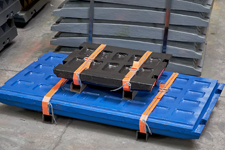
Sand Casting Molding Process in Foundry for Mining Wear Parts Manufacturing
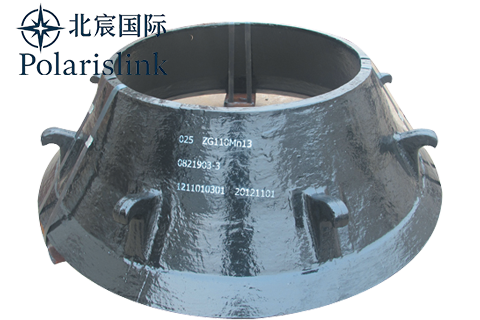
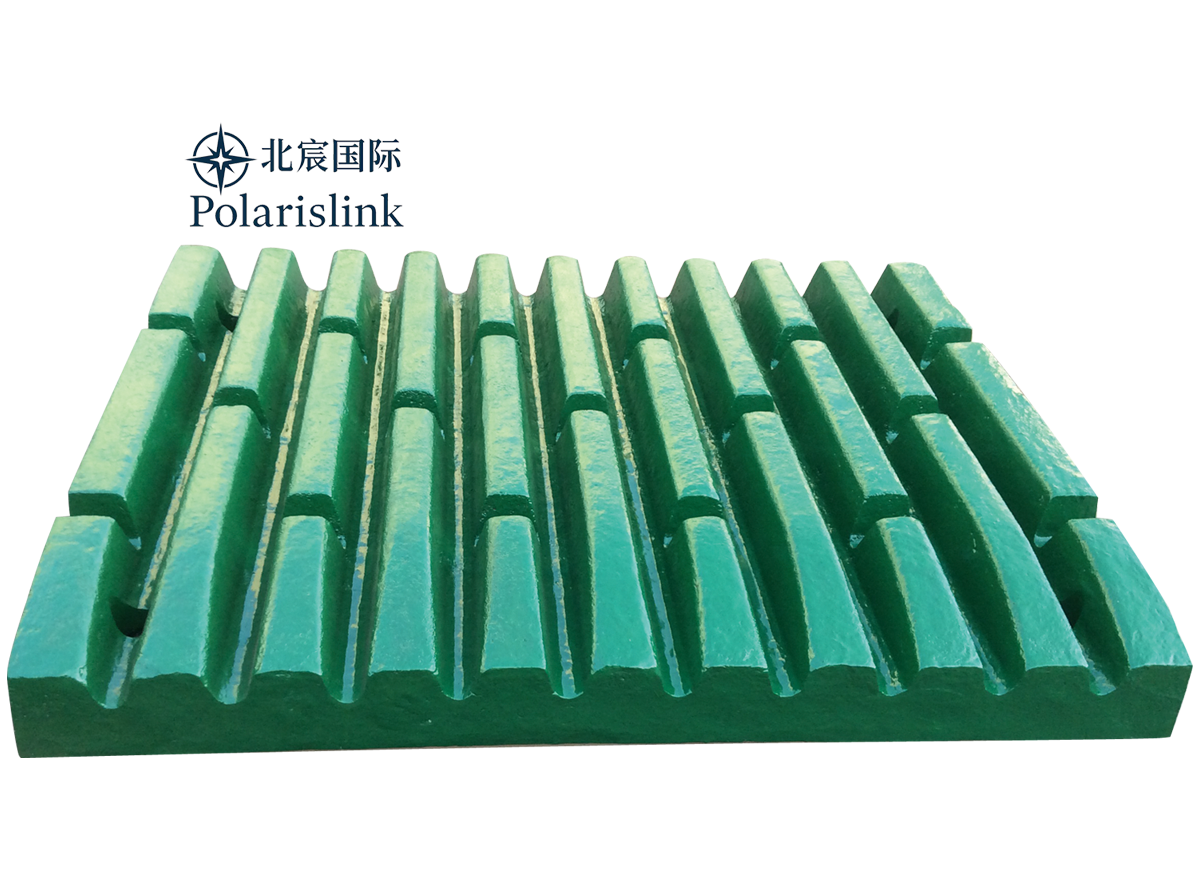
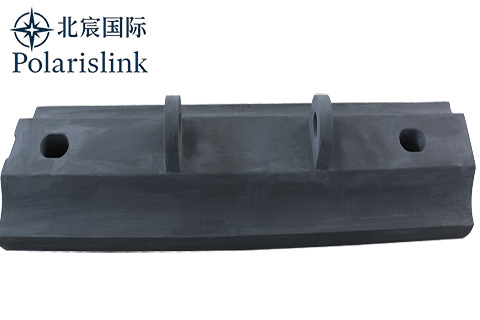
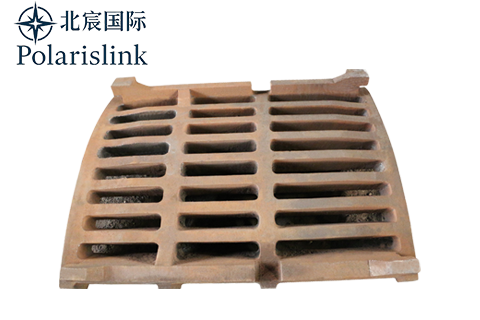
Sand casting is a fundamental process in the production of mining wear parts such as jaw plates, mantle, concave, blow bars and hammer heads.
At TangShan Polarislink Advanced Materials Technology Co.,Ltd, the molding process is strictly controlled to ensure dimensional accuracy, internal soundness, and stable performance of every casting.
Raw Materials: Silica Sand and Binder System
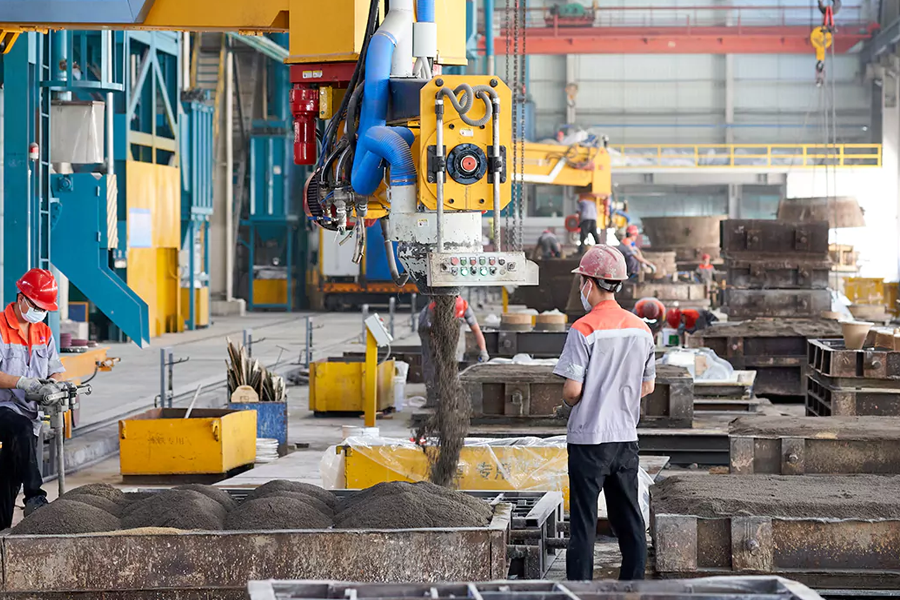
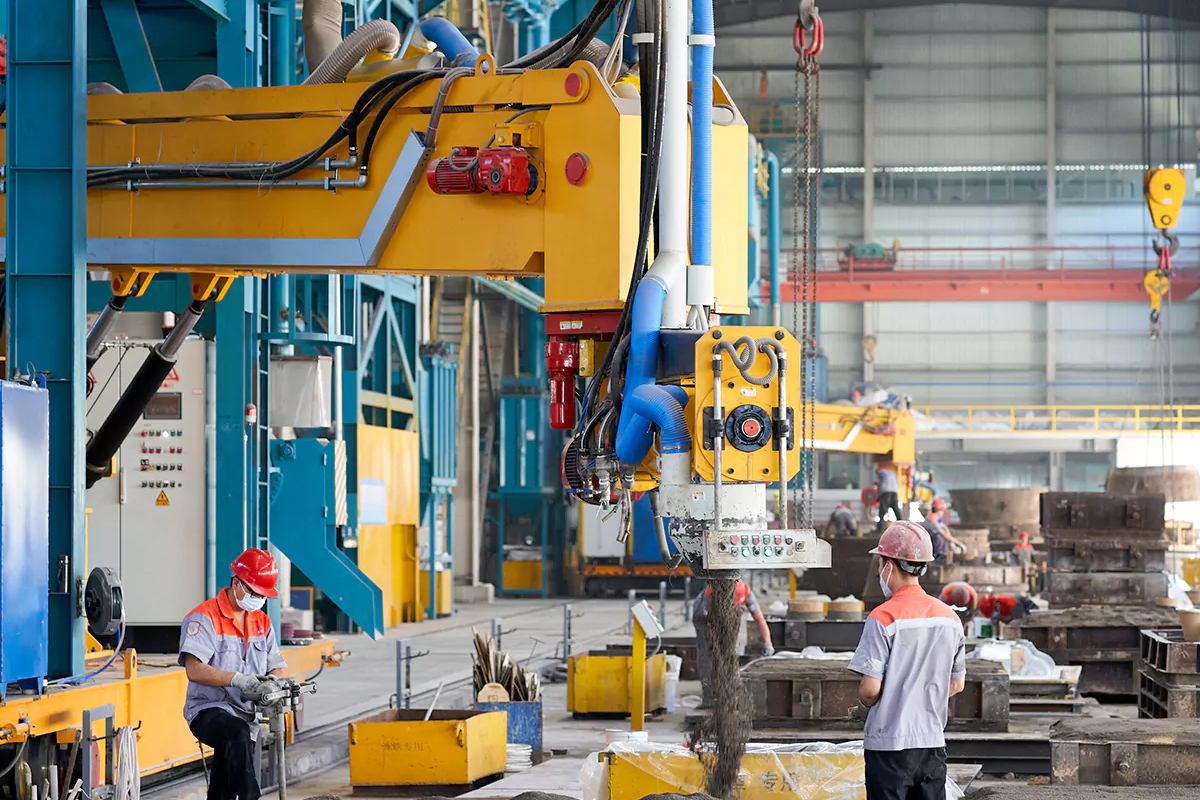
The molding process starts with the preparation of high-quality silica sand.
The grain size distribution, purity, and moisture content of silica sand directly affect the surface finish and permeability of the mold.
Different binder systems are used based on product requirements, including resin bonded sand and clay bonded sand systems.
A stable sand system ensures:
Good permeability for gas escape
Sufficient strength to maintain mold shape
Resistance to high-temperature metal pouring
Improper sand preparation may lead to defects such as blowholes, sand inclusion, and poor surface quality.
Pattern Making and Mold Preparation
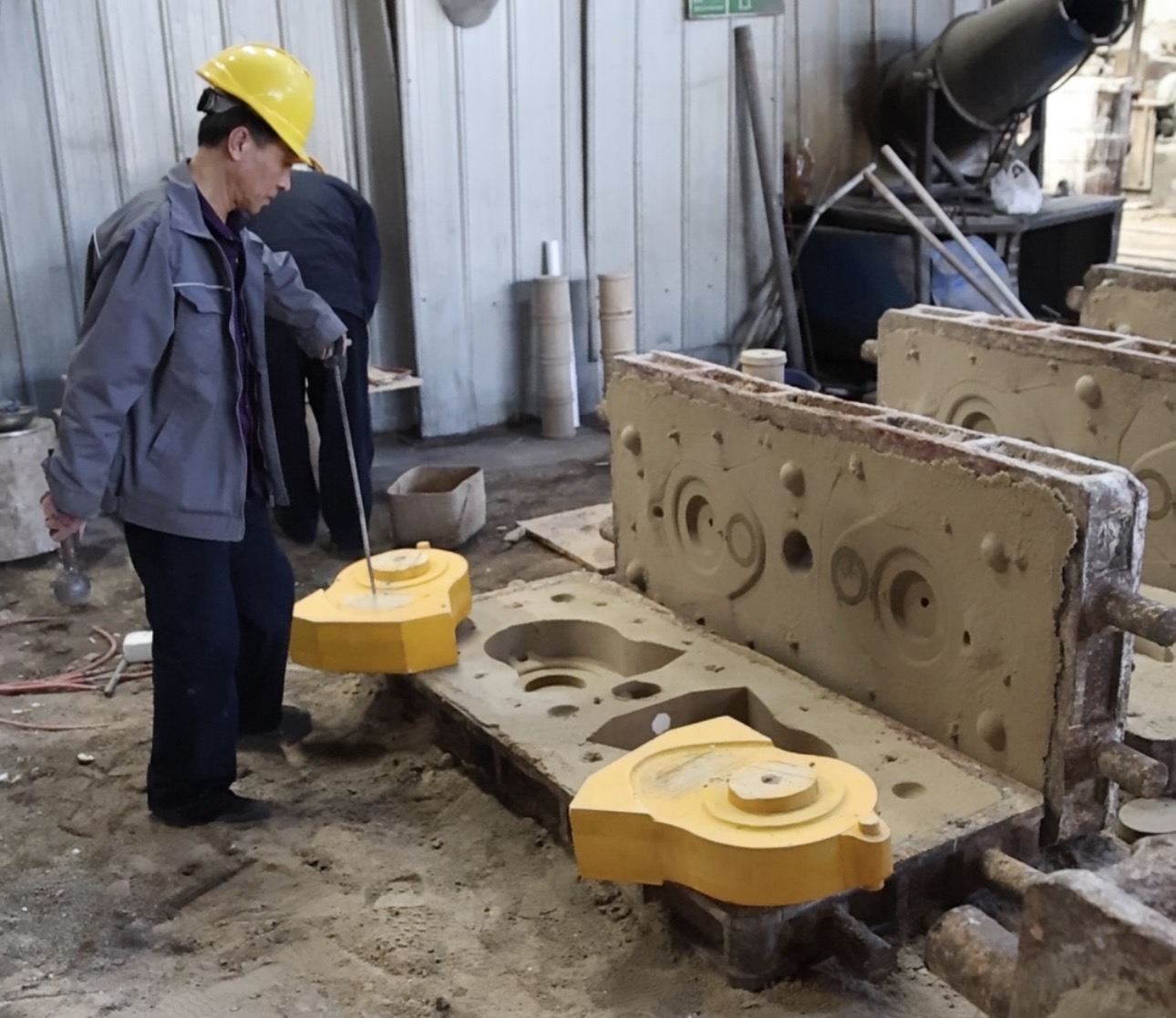
The pattern is placed into the molding box, and prepared sand is filled around it.
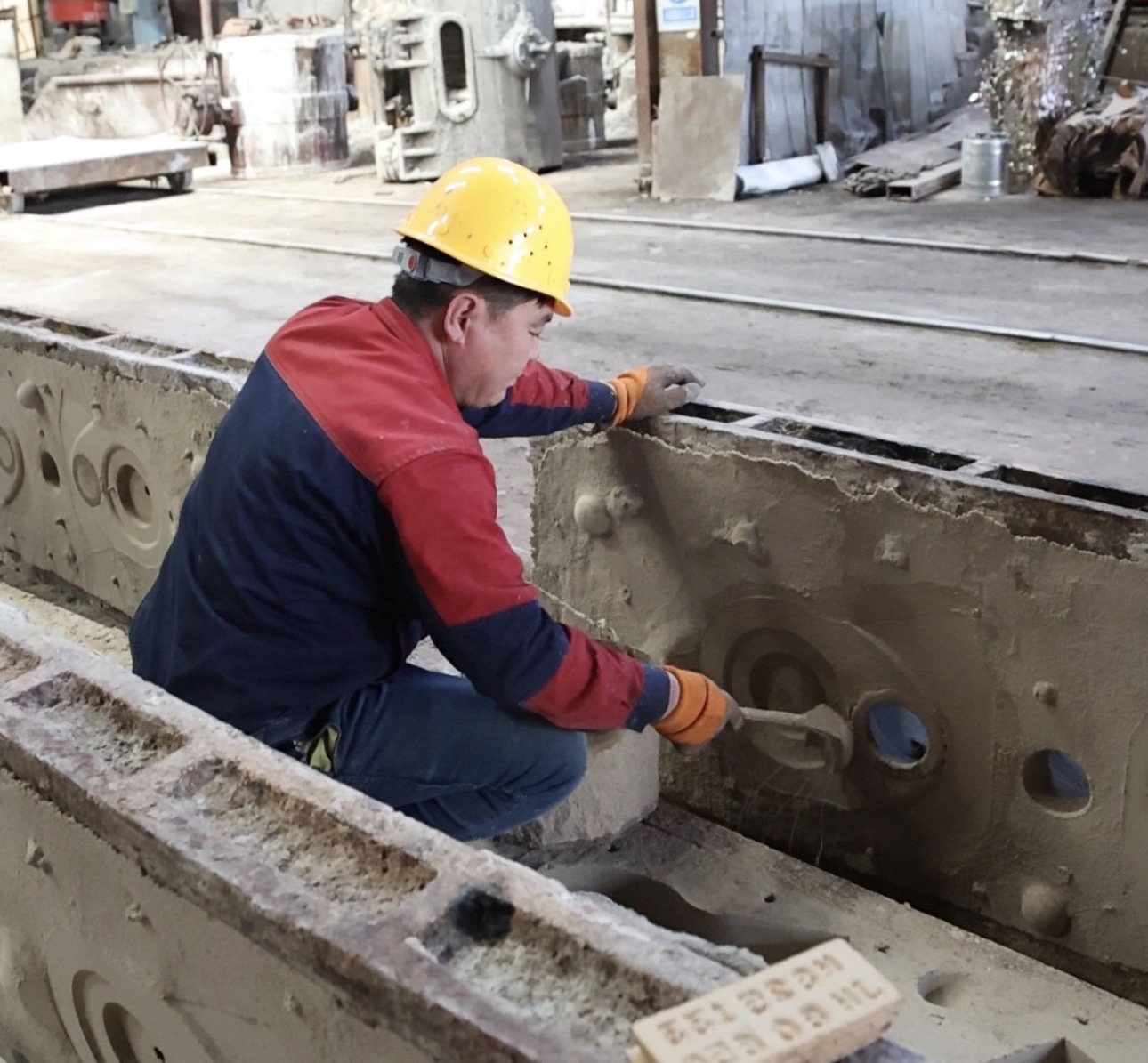
Workers compact the sand layer by layer to ensure uniform density and strength throughout the mold.
After compaction, the pattern is carefully removed, leaving a precise cavity that defines the final casting shape.
This stage directly affects:
Dimensional tolerance
Surface smoothness
Consistency between batches
For large mining wear parts, mold stability is especially critical due to the heavy weight and complex structure.
Mold Assembly and Core Setting
For complex structures, cores are installed to form internal cavities.
Proper positioning of cores ensures correct internal geometry and wall thickness.
Core shifting or improper assembly may cause:
Misalignment
Uneven wall thickness
Structural weakness
Strict inspection is carried out before moving to the next step.
Refractory Coating Application
A refractory coating is applied to the mold surface.
This coating improves surface finish and acts as a barrier between molten metal and sand.
Key functions include:
Reducing metal penetration into sand
Improving casting surface quality
Enhancing thermal resistance
Coating thickness and uniformity are strictly controlled to prevent defects such as rough surface or inclusions.
Drying and Mold Strength Control
After coating, the mold is dried to remove moisture and improve strength.
Drying can be done naturally or in a controlled drying furnace depending on production requirements.
Proper drying ensures:
Reduced gas generation during pouring
Improved mold strength
Stable mold structure under high temperature
If drying is insufficient, it may lead to gas defects, cracks, or collapse during pouring.
Importance of Molding Process in Wear Parts
For high manganese steel materials such as Mn13Cr2, Mn18Cr2 and Mn22Cr2, the molding quality directly determines the final performance of the casting.
Defects in molding will result in:
Surface cracks
Porosity
Dimensional deviation
Reduced service life
At TangShan Polarislink Advanced Materials Technology Co.,Ltd, each step of the molding process is carefully controlled and inspected.
From sand preparation to final drying, the process is designed to ensure that every wear part meets strict quality standards required in mining, cement, and recycling industries.
For more information about our casting process and products, visit:
www.polarislink.net