High Manganese Steel Casting Pouring Process for Mining Wear Parts
2026-05-19
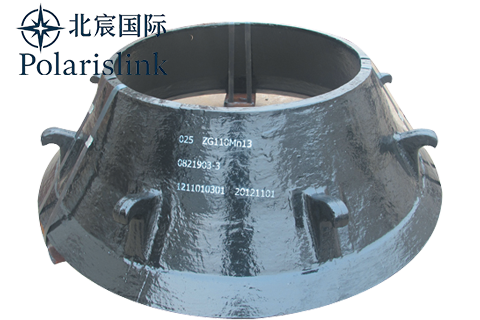
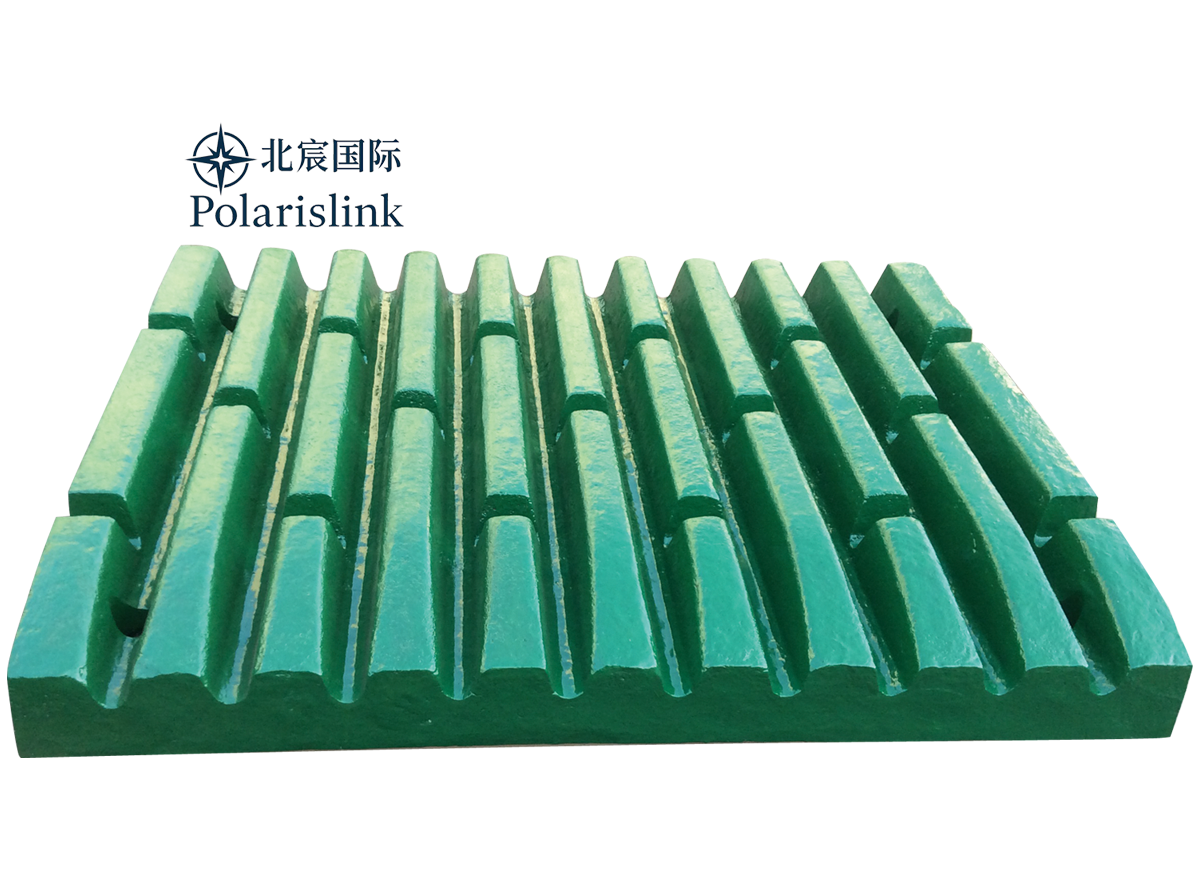
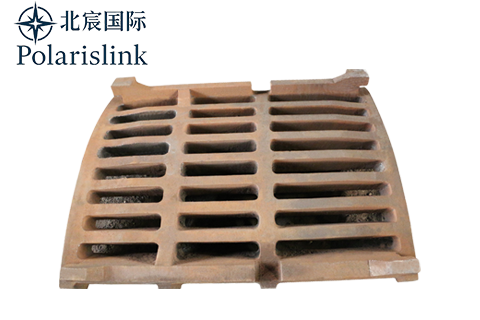
High manganese steel is one of the most widely used materials in mining wear parts manufacturing due to its excellent work hardening ability, high impact resistance, and strong wear resistance. In mining crushing applications, components such as jaw plates, cone crusher liners, hammer heads, and impact crusher wear parts are constantly exposed to heavy impact loads and abrasive materials. The quality of the casting process directly determines the service life and working stability of these wear-resistant parts.
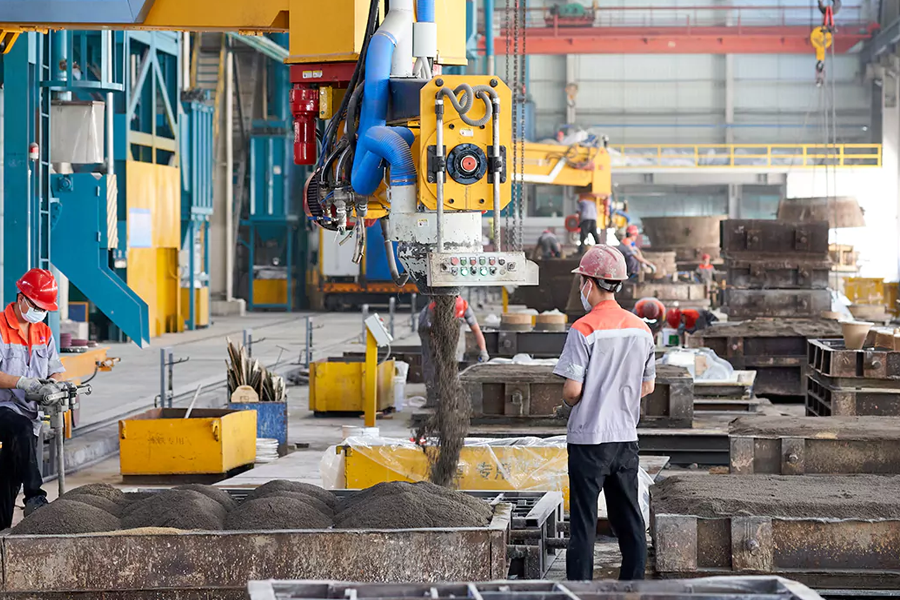
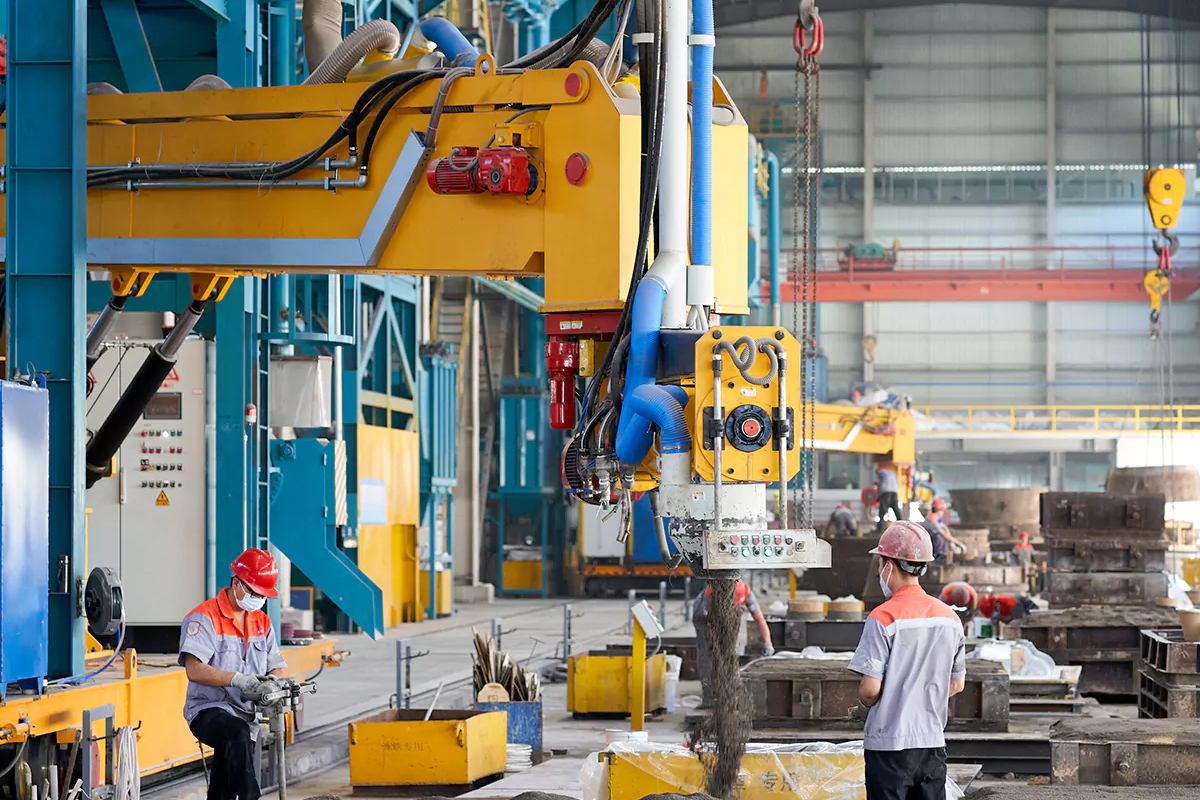
Today, we recorded the complete pouring process of high manganese steel wear-resistant castings inside our production workshop. From raw material proportioning to molten steel pouring, every step follows strict foundry standards to ensure stable casting quality and reliable mechanical performance.
Before pouring begins, our technicians first complete the chemical composition adjustment inside the furnace. The manganese content, carbon content, and alloy element ratio are carefully controlled according to different casting requirements. Proper composition control is critical for maintaining the work hardening performance of high manganese steel and preventing premature cracking or excessive brittleness during operation.
At the same time, the molten steel temperature is continuously monitored throughout the melting stage. Stable pouring temperature is extremely important for manganese steel castings because excessive temperature fluctuation may lead to oxidation, shrinkage cavities, or internal defects. Only after the molten steel reaches the required process range can it enter the pouring stage.
Before pouring, the sand molds are fully inspected and cleaned. Dust, residual sand, and moisture inside the mold cavity are carefully removed to reduce the risk of gas porosity, sand holes, and surface defects after solidification. Proper mold drying also helps improve casting surface quality and dimensional stability.
During the pouring process, workers carefully control pouring speed, pouring sequence, and molten steel flow stability. If the pouring speed is too fast, slag inclusion and turbulence may occur. If the pouring speed is too slow, uneven cooling and incomplete filling may appear inside the cavity. Stable and continuous pouring helps the molten steel fill the mold evenly and reduces internal casting stress.
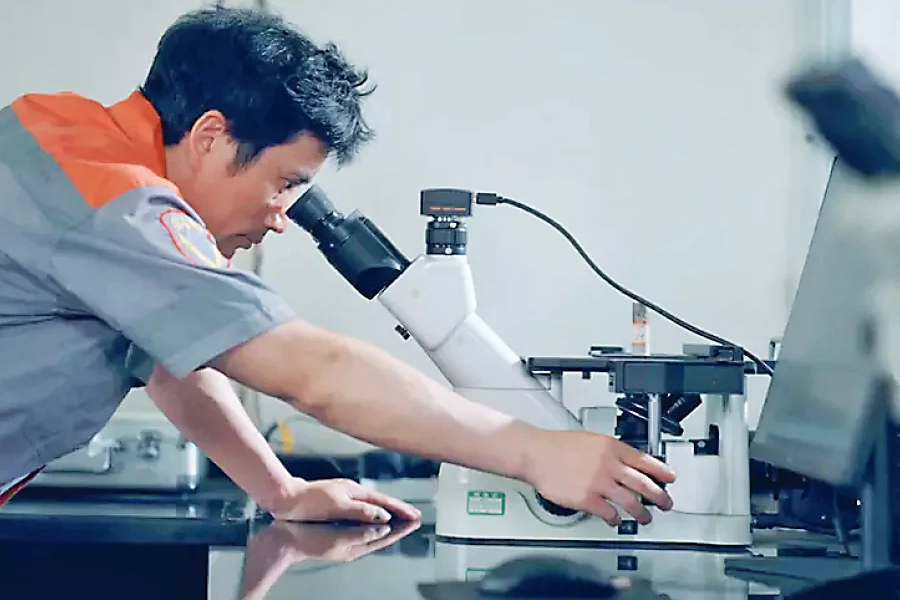
Throughout the entire pouring operation, dedicated quality control personnel monitor molten steel flow conditions and mold filling status in real time. Cooling speed is also strictly managed after pouring to prevent deformation, surface cracks, internal cracking, shrinkage, and loose internal structure caused by excessive temperature differences.
After natural cooling and solidification, the castings enter the next production stages, including shakeout, cleaning, heat treatment, machining, hardness testing, and wear resistance inspection. Proper heat treatment further improves the toughness and wear resistance of high manganese steel castings, allowing them to perform reliably under severe mining and aggregate crushing conditions.
Compared with ordinary steel castings, professionally produced high manganese steel wear parts can significantly reduce replacement frequency and improve crusher operating efficiency in granite, basalt, limestone, and other high-abrasion working environments.
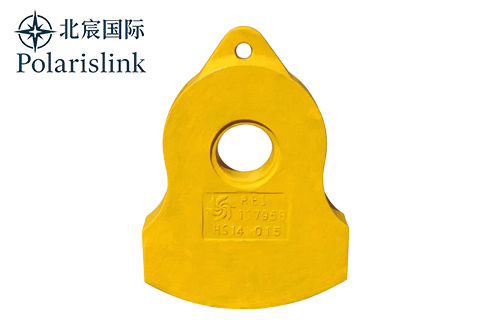
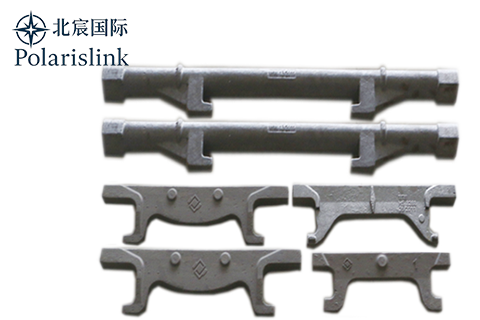
As a professional mining wear parts manufacturer, TangShan Polarislink Advanced Materials Technology Co.,Ltd. focuses on the production of high manganese steel crusher parts, including jaw plates, cone liners, hammers, blow bars, mill liners, and other customized wear-resistant castings. With mature casting technology, strict quality control, and stable production capability, we continue supplying reliable mining wear parts solutions to customers worldwide.