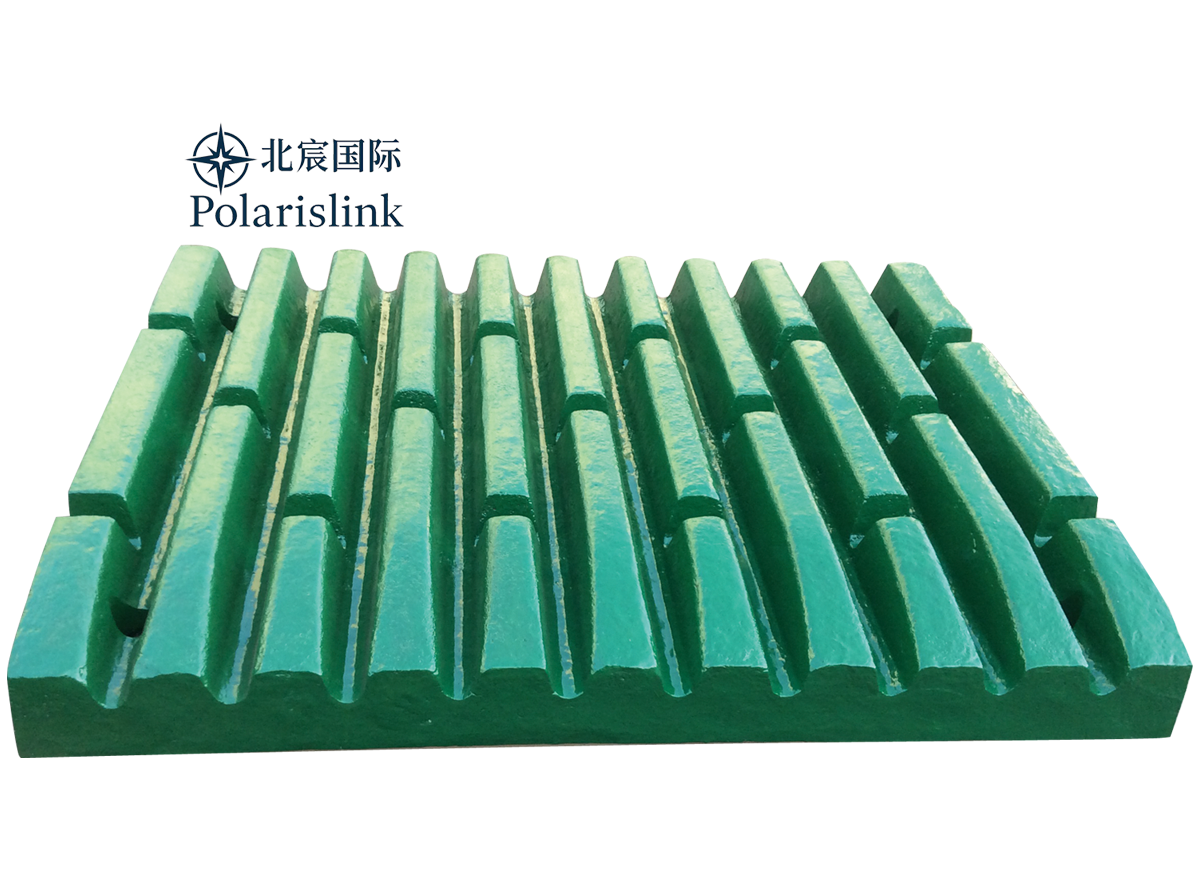
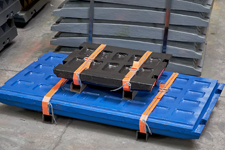
Jaw plates are one of the most important wear parts in a jaw crusher. They are mainly divided into fixed jaw plates and movable jaw plates. During the crushing process, the movable jaw continuously approaches and moves away from the fixed jaw, compressing and crushing large stones into smaller sizes. The crushing force is generated through repeated squeezing and friction between the material and the jaw plates.
In mining, quarry, aggregate, and recycling industries, jaw crushers are widely used as primary crushing equipment. They can handle granite, basalt, river stone, limestone, quartzite, iron ore, copper ore, construction waste, and many other materials. Because jaw plates are directly in contact with hard stone, their wear resistance becomes extremely important for production efficiency and operating costs.
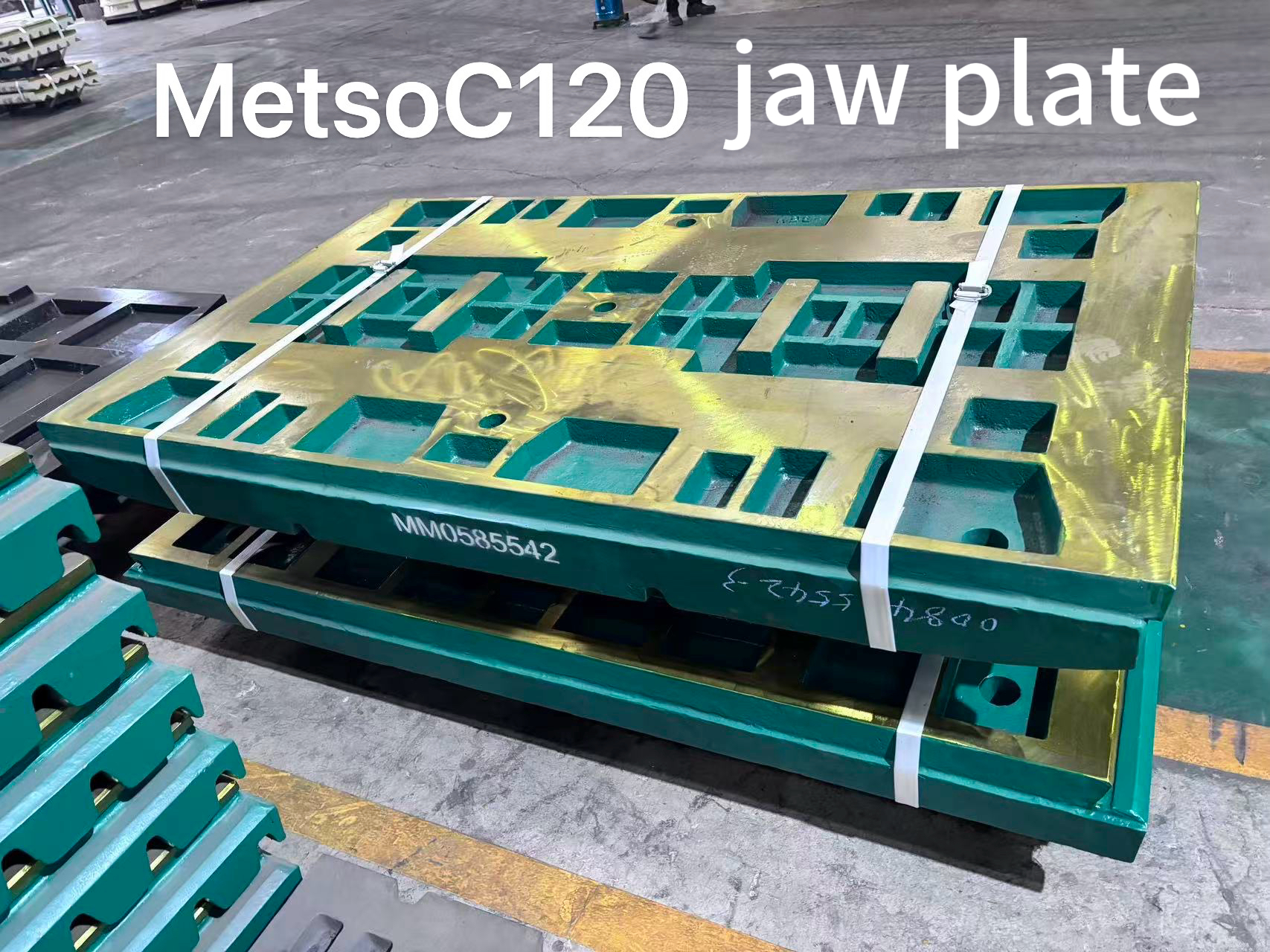
Different working conditions require different jaw plate materials. For soft stone such as limestone, standard Mn13Cr2 manganese steel is usually sufficient. For harder and more abrasive materials like granite, basalt, and quartzite, many customers prefer Mn18Cr2 or Mn22Cr2 high manganese steel to improve wear life and impact resistance. In high-impact crushing environments, high manganese steel can gradually form a hardened surface layer during operation, improving wear resistance over time.
One of the questions customers care about most is jaw plate service life. In actual production, the lifetime of jaw plates depends on several factors, including stone hardness, feeding size, moisture content, crusher settings, and operating habits. Uneven feeding or oversized material can cause abnormal wear, cracks, or faster consumption on one side of the jaw plate.
To reduce operating costs, many jaw plates are designed to be reversible. When the lower section becomes heavily worn, customers can rotate or flip the jaw plate and continue using the other side. This simple method can significantly improve material utilization and reduce replacement frequency. For many quarry operators, reversible jaw plates are an effective way to lower maintenance costs without affecting production.
The tooth profile design of jaw plates also affects crushing performance. Different tooth shapes are suitable for different applications. Standard tooth profiles are commonly used for general crushing applications, while quarry tooth or super tooth designs are better for handling large and hard rock materials. A proper tooth design improves gripping performance, reduces material slipping, and increases crushing efficiency.
In many mining plants, customers often face problems such as short wear life, loose jaw plate installation, uneven wear, or frequent shutdowns for replacement. To solve these issues, material selection, heat treatment quality, machining accuracy, and installation precision all become critical factors. High-quality jaw plates not only improve wear resistance but also help maintain stable crusher performance.
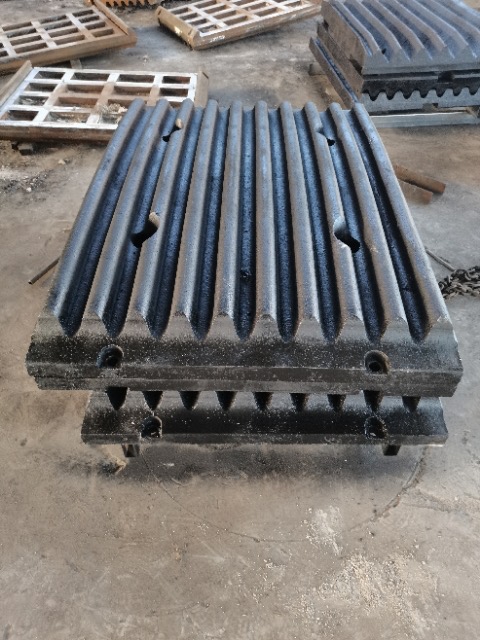
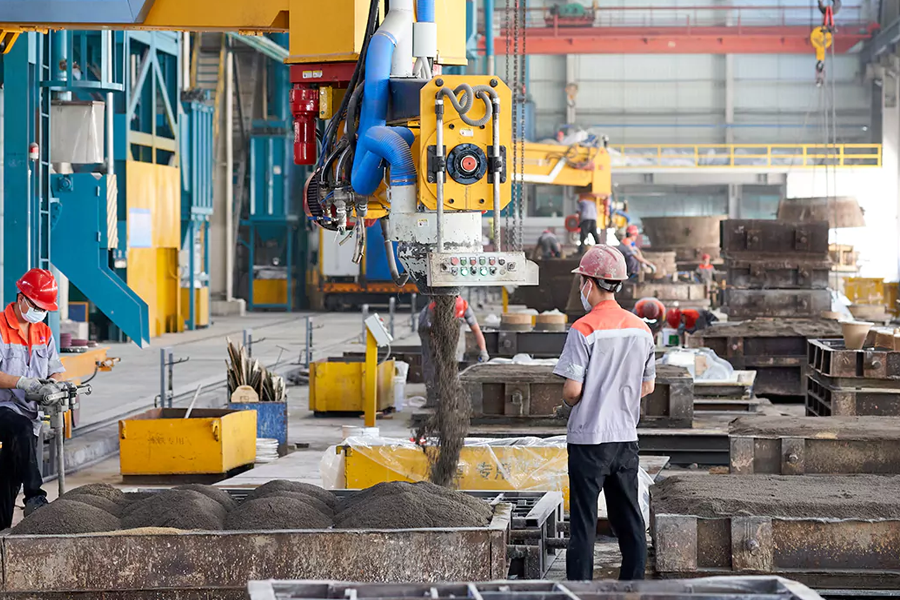
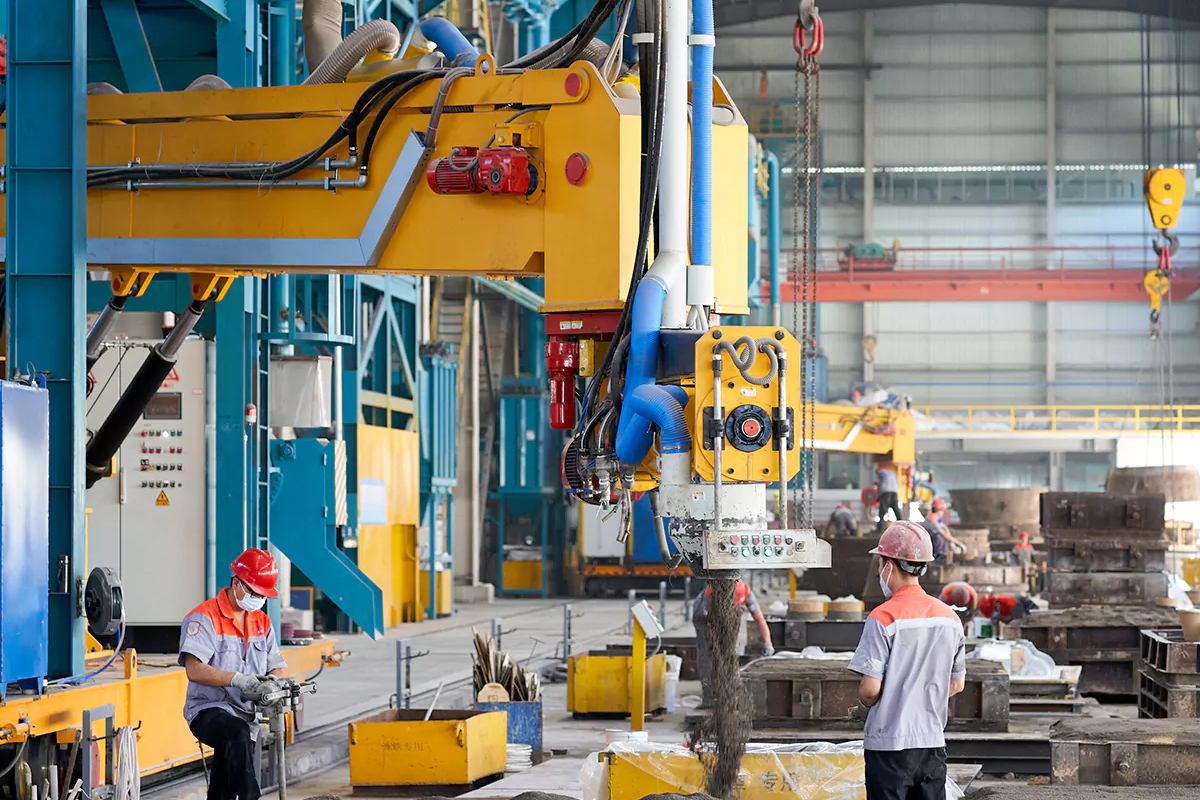
TangShan Polarislink Advanced Materials Technology Co.,Ltd. specializes in manufacturing jaw crusher wear parts for various mining and aggregate applications. We supply fixed jaw plates and movable jaw plates for many popular crusher brands and models. Our products are produced with strict control over chemical composition, heat treatment, hardness, and dimensional accuracy to ensure stable performance under heavy-duty crushing conditions.
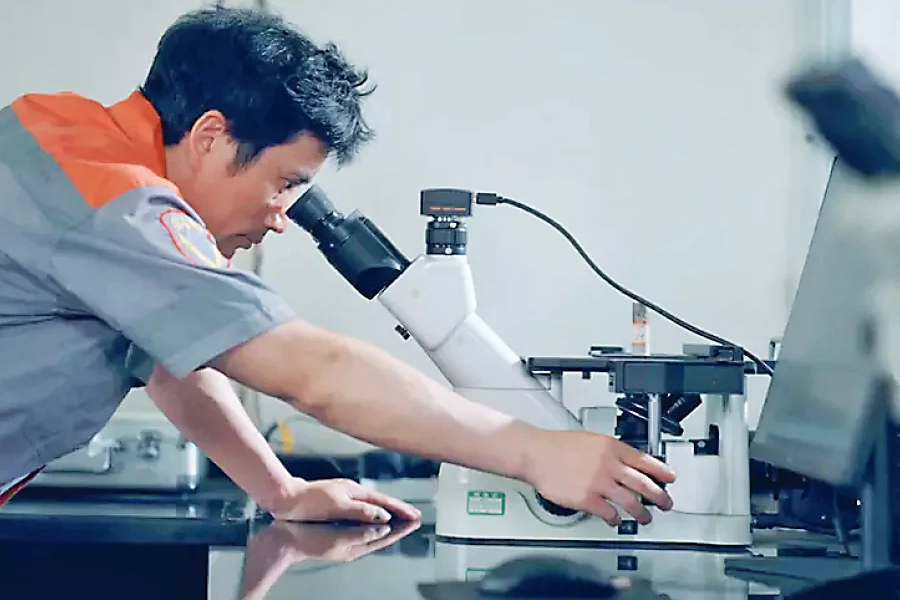
For customers processing highly abrasive stone, we can also recommend optimized manganese steel grades and customized tooth profiles according to actual working conditions. Material reports, hardness reports, spectrometer analysis, and metallographic inspection can all be provided to support product quality control.
With proper material selection and maintenance, high-quality jaw plates can significantly improve crusher uptime, reduce downtime, and lower total operating costs for mining and quarry operations worldwide.