Why High-Quality Cast Steel Slag Pots Matter in Modern Steel Plants
2026-05-18
In modern steel plants, slag pots are one of the most critical heavy-duty metallurgical components used for handling high-temperature molten slag generated during steelmaking operations. Whether in BOF converters, electric arc furnaces, blast furnaces, or secondary refining workshops, slag pots must work continuously under extreme heat, thermal shock, heavy impact, cyclic loading, and abrasive slag conditions. Unlike ordinary industrial containers, slag pots are not simple steel boxes. They are safety-critical heavy castings designed for long-term high-temperature operation inside demanding steel plant environments.
During daily operation, molten slag temperatures can exceed 1400°C, and the slag pot repeatedly goes through heating, cooling, loading, lifting, dumping, and impact. This creates enormous thermal stress and cyclic fatigue inside the casting structure. If the material quality, casting process, or structural design is poor, cracks can quickly develop around the trunnions, lifting ears, wall transition areas, and bottom connection sections. Once cracking begins, the service life of the slag pot decreases rapidly, creating serious operational and safety risks for the steel plant.
This is exactly why large steel mills place extremely high requirements on slag pot manufacturing quality. A failed slag pot is not simply a damaged spare part. It can interrupt production schedules, increase maintenance costs, affect crane operation safety, and reduce the overall efficiency of slag handling systems. In many steel plants, slag pots operate around the clock under high-frequency turnover conditions. Some slag pots may complete dozens of working cycles every single day, which places enormous stress on both the casting structure and the material itself.
For this reason, more and more steel plants prefer heavy cast steel slag pots instead of ordinary fabricated welded structures. Compared with welded products, heavy cast steel slag pots provide much better structural integrity, stronger resistance to thermal fatigue, higher load-bearing capability, and longer service life under repeated high-temperature conditions. Welded structures often suffer from weld cracking, deformation, stress concentration, and premature fatigue failure after continuous heating and cooling cycles.
Depending on steel plant requirements, slag pots can range from small units of 5 tons to massive heavy castings exceeding 100 tons. In some integrated steel plants and metallurgical facilities, ultra-large slag pots may even exceed 150 tons. Manufacturing products of this scale is not something ordinary foundries can easily achieve. Large slag pot production requires advanced heavy casting capability, large pouring capacity, professional molding systems, experienced technical engineers, and strict process control throughout the entire manufacturing cycle.
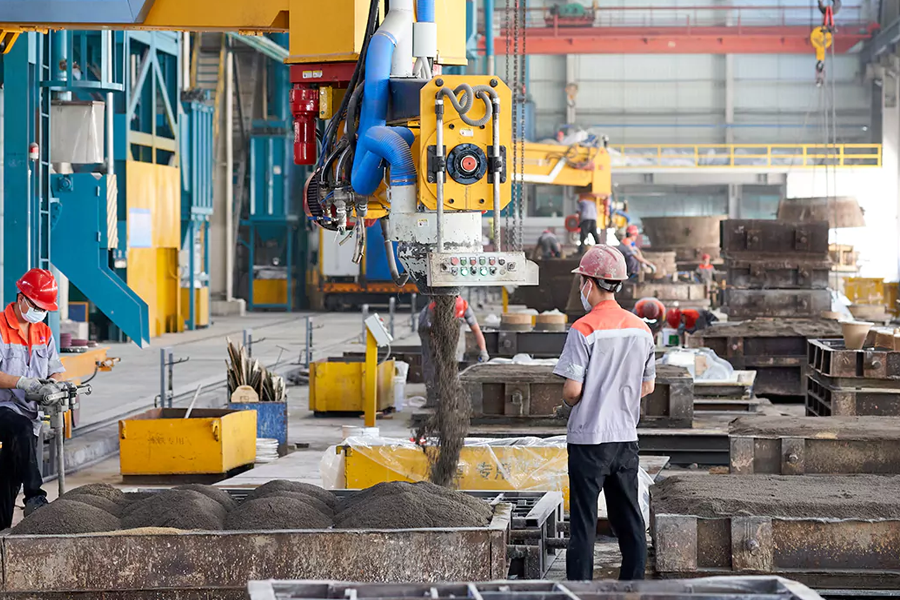
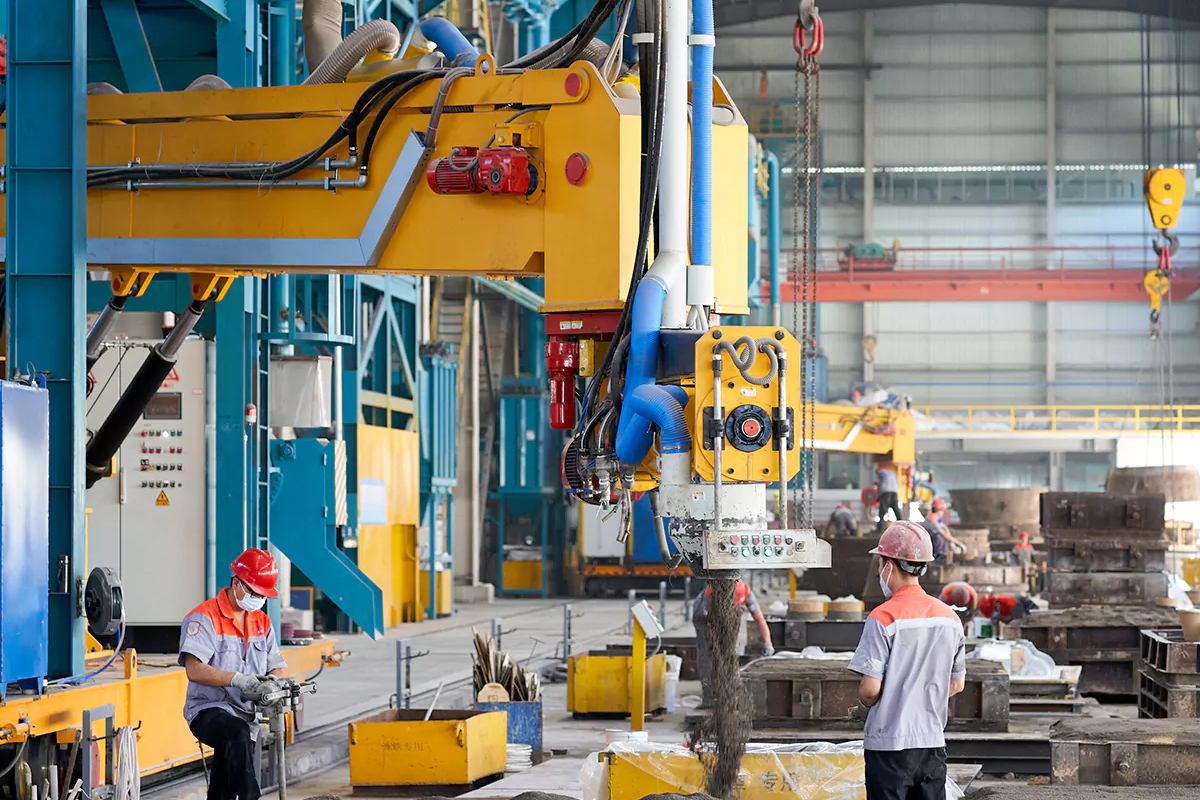
In reality, only a limited number of foundries worldwide possess the capability to manufacture large slag pots with stable quality and reliable mechanical performance. Heavy slag pot production requires large resin sand molding lines, high-capacity melting furnaces, stable pouring systems, precise heat treatment capability, heavy machining equipment, and complete non-destructive testing procedures. Any production defect may lead to shrinkage cavities, gas porosity, slag inclusion, hot tearing, internal cracking, or structural deformation, all of which directly affect operational safety and service life.
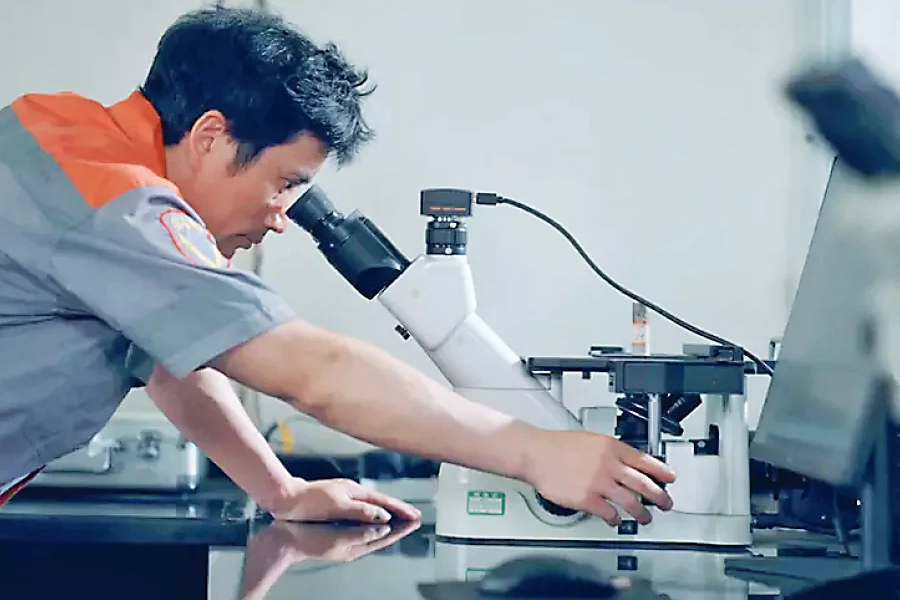
At TangShan Polarislink Advanced Materials Technology Co.,Ltd., we specialize in heavy cast steel products for steel plants, mining industries, and metallurgical applications. Supported by our large-scale manufacturing base and decades of foundry experience, we are capable of producing heavy slag pots with stable casting quality and reliable long-term performance. Our manufacturing capability covers melting, casting, heat treatment, machining, dimensional inspection, ultrasonic testing, magnetic particle inspection, and final quality verification.
Material selection is another key factor in slag pot production. Depending on operating conditions, slag pots are commonly manufactured using high-strength carbon steel and low-alloy cast steel materials with excellent toughness and thermal fatigue resistance. During manufacturing, special attention is given to wall thickness transition areas, rib reinforcement layout, bottom structure strength, trunnion design, and stress distribution optimization. These details are extremely important for reducing stress concentration and extending service life under repeated thermal cycling conditions.
Today, the ability to manufacture ultra-heavy slag pots has become a symbol of a foundry’s true heavy casting capability. It reflects not only melting capacity and equipment scale, but also engineering experience, process control, heat treatment capability, machining strength, and overall quality management level. TangShan Polarislink Advanced Materials Technology Co.,Ltd. continues to provide reliable heavy cast steel slag pot solutions for global steel plants with stable quality, strong production capability, and professional technical support.