


Home

Blog

Blog

  • Quality Control for Crusher Castings
    Quality Control for Crusher Castings
    Aug 02, 2026
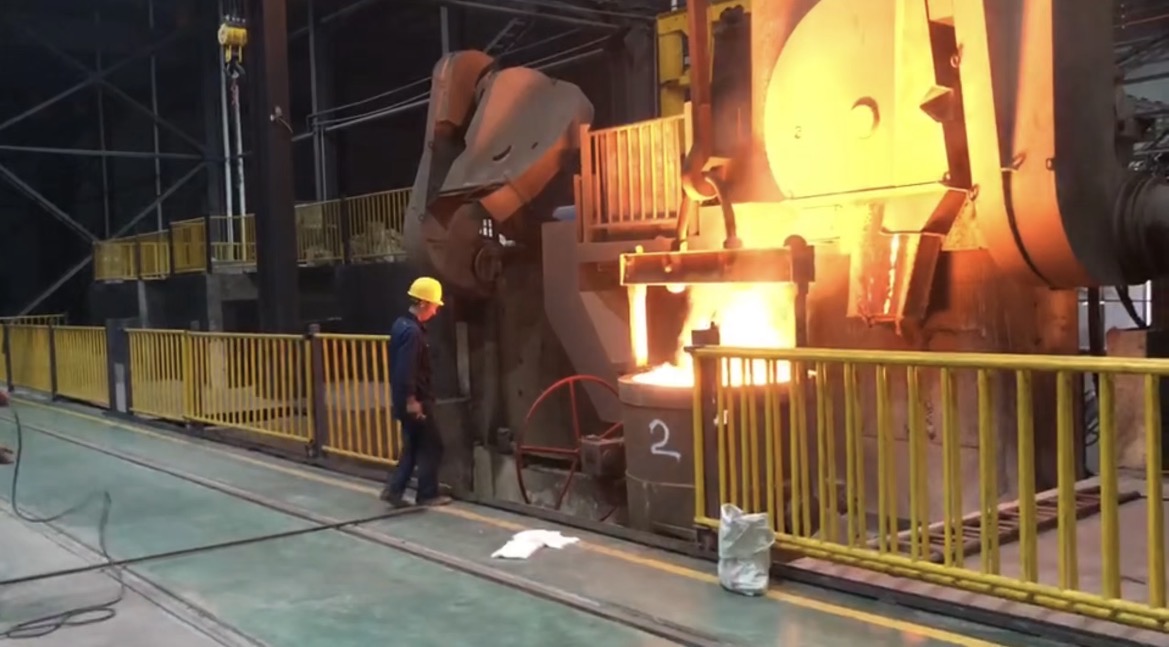
    The quality of a large crusher casting cannot be confirmed by appearance alone. Melt chemistry, internal soundness, heat treatment and dimensional accuracy must all be controlled throughout production.
    Read More
  • How Jaw Plate Geometry Affects Crushing
    How Jaw Plate Geometry Affects Crushing
    Aug 02, 2026
    Jaw plate performance is strongly influenced by tooth angle, height, pitch and valley shape. A plate may use the correct material and dimensions but still perform poorly when its profile does not match the feed conditions.
    Read More
  • Why Impact Crusher Blow Bars Break
    Why Impact Crusher Blow Bars Break
    Aug 02, 2026
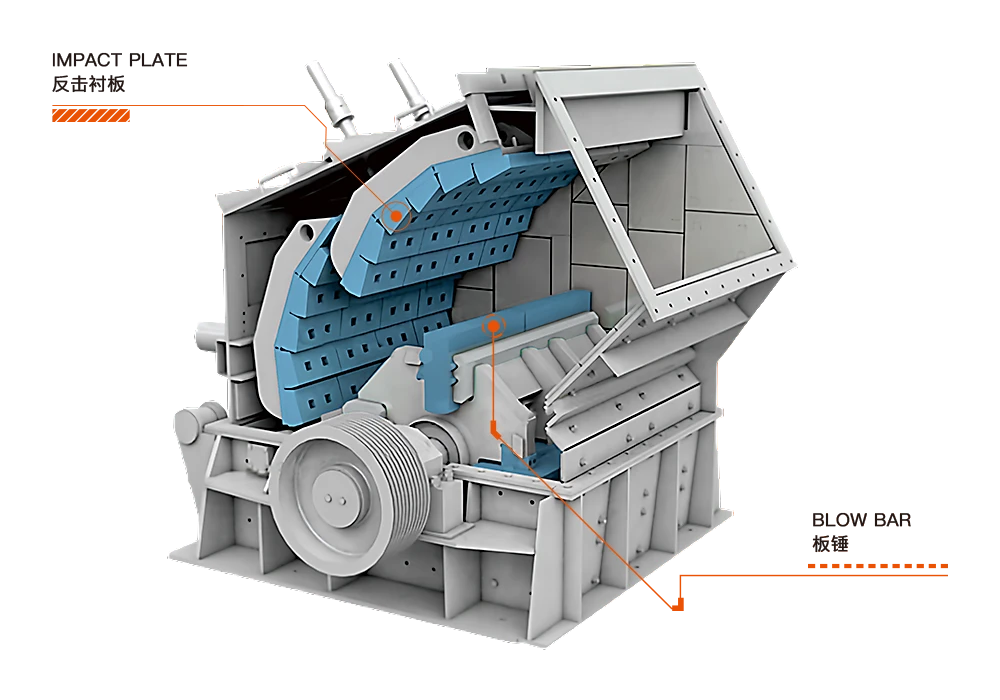
    Blow bars may fail through normal abrasion, brittle fracture, casting defects or incorrect installation. Identifying the fracture origin and operating conditions is essential before selecting a different material.
    Read More
  • Causes of Uneven Cone Liner Wear
    Causes of Uneven Cone Liner Wear
    Aug 02, 2026
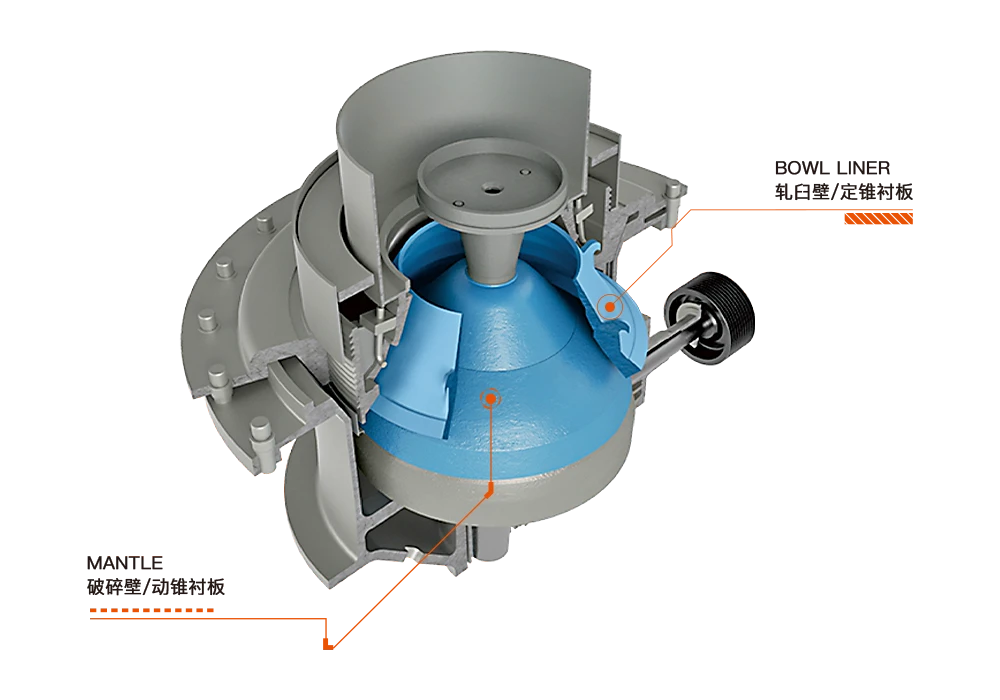
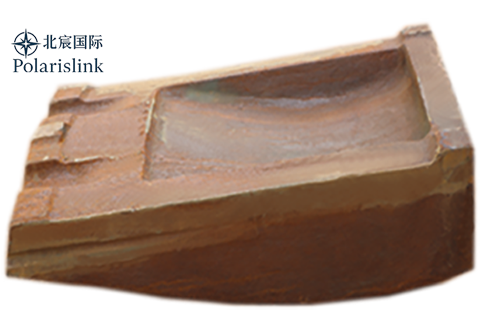
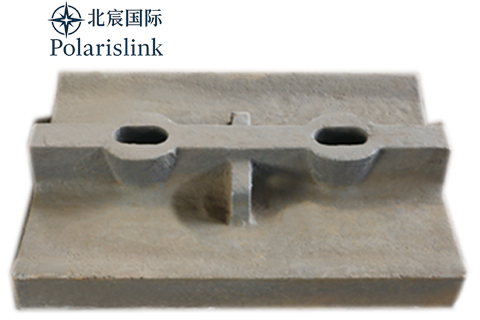
    Uneven wear on mantles and concaves is often caused by chamber geometry, feed distribution, crusher settings or installation conditions. Material grade should not be changed until the complete wear pattern has been examined.
    Read More
  • Heat Treatment of Manganese Steel
    Heat Treatment of Manganese Steel
    Aug 02, 2026
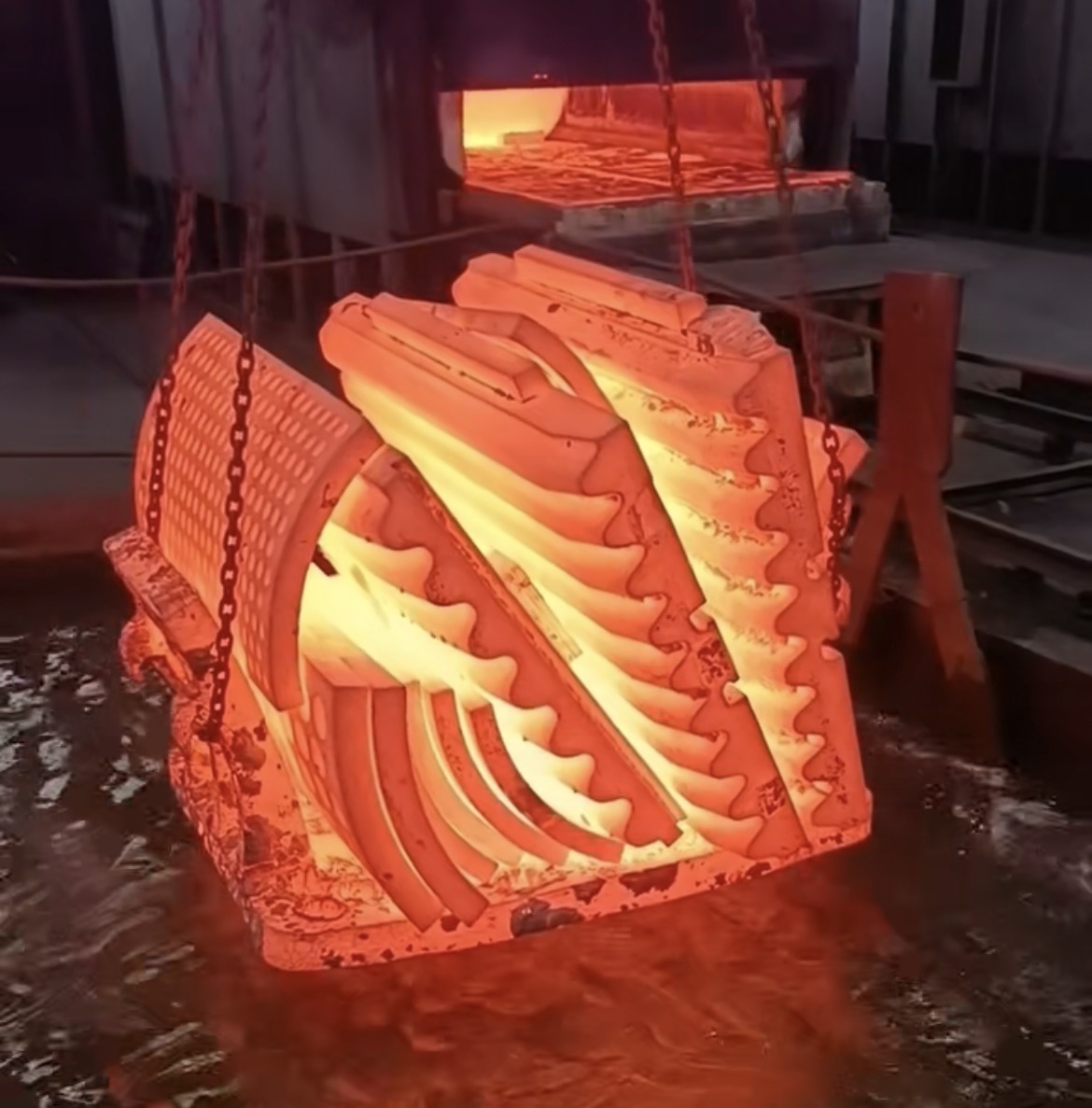
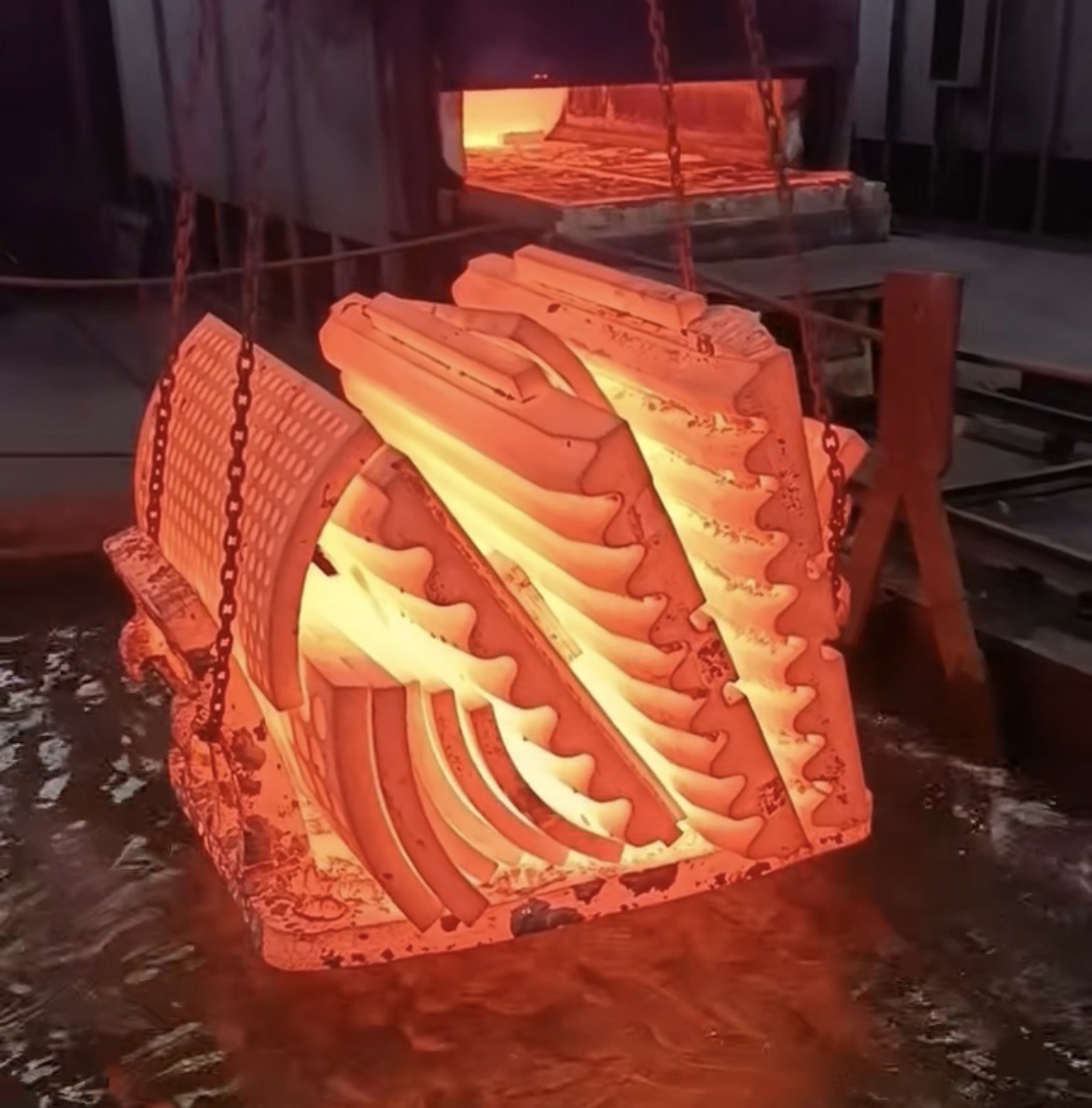
    The service performance of high-manganese steel crusher parts depends not only on chemical composition, but also on whether the casting develops a clean and stable austenitic structure during solution heat treatment. Heating rate, holding time, section thickness, furnace uniformity and quenching conditions all influence carbide dissolution, grain size and final toughness. This article explains why two castings made to the same nominal grade can behave very differently in service.
    Read More
  • From Casting to Final Inspection: How Mill Liners Are Produced and Checked
    From Casting to Final Inspection: How Mill Liners Are Produced and Checked
    Jul 26, 2026
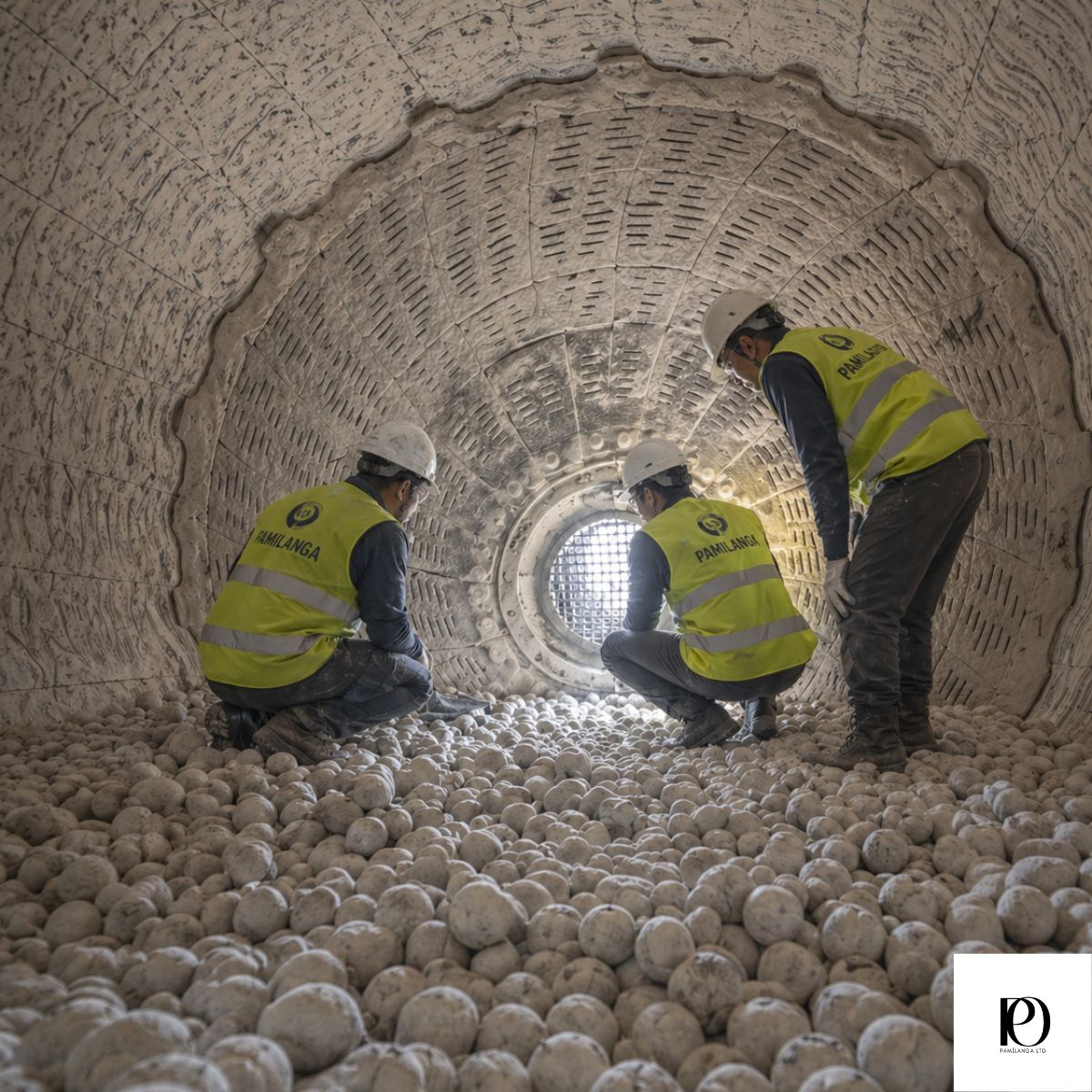
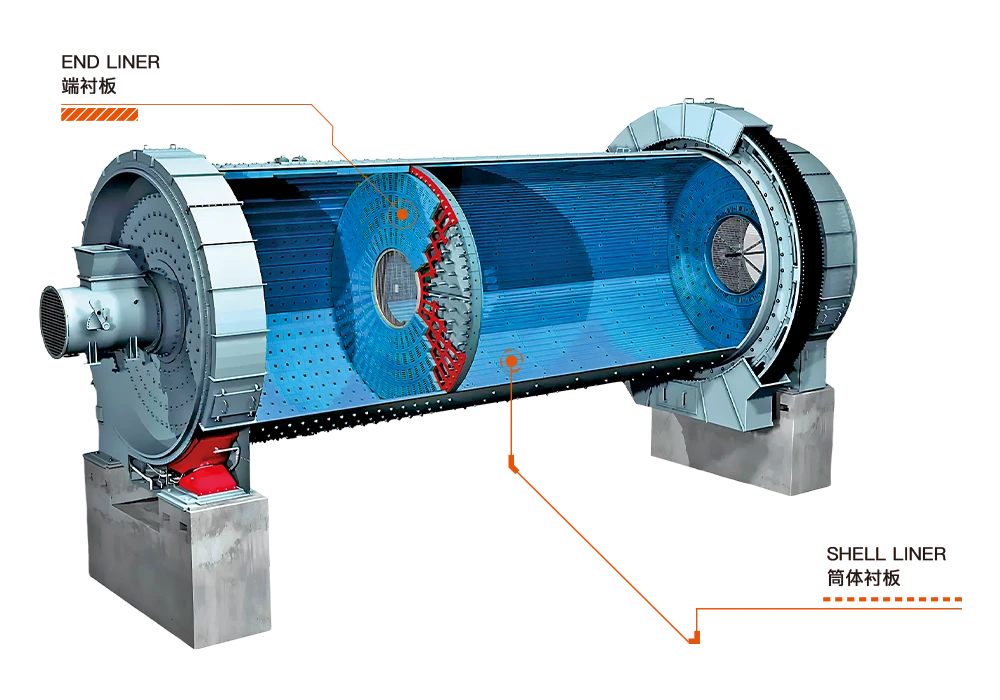
    Mill liners protect the mill shell and influence grinding performance by controlling charge movement, impact behavior, and material flow. Their final quality depends on the complete production route, including drawing review, material selection, molding, pouring, heat treatment, cleaning, machining, dimensional inspection, hardness testing, and surface or internal defect control. This article explains how mill liners are produced and checked from casting to final inspection. It also discusses why liner profile, bolt-hole accuracy, back-surface contact, casting soundness, heat-treatment quality, and inspection records are important for safe installation and stable grinding operation.
    Read More
  • Bimetal Composite Hammers: Structure, Application, and Key Quality Points
    Bimetal Composite Hammers: Structure, Application, and Key Quality Points
    Jul 26, 2026
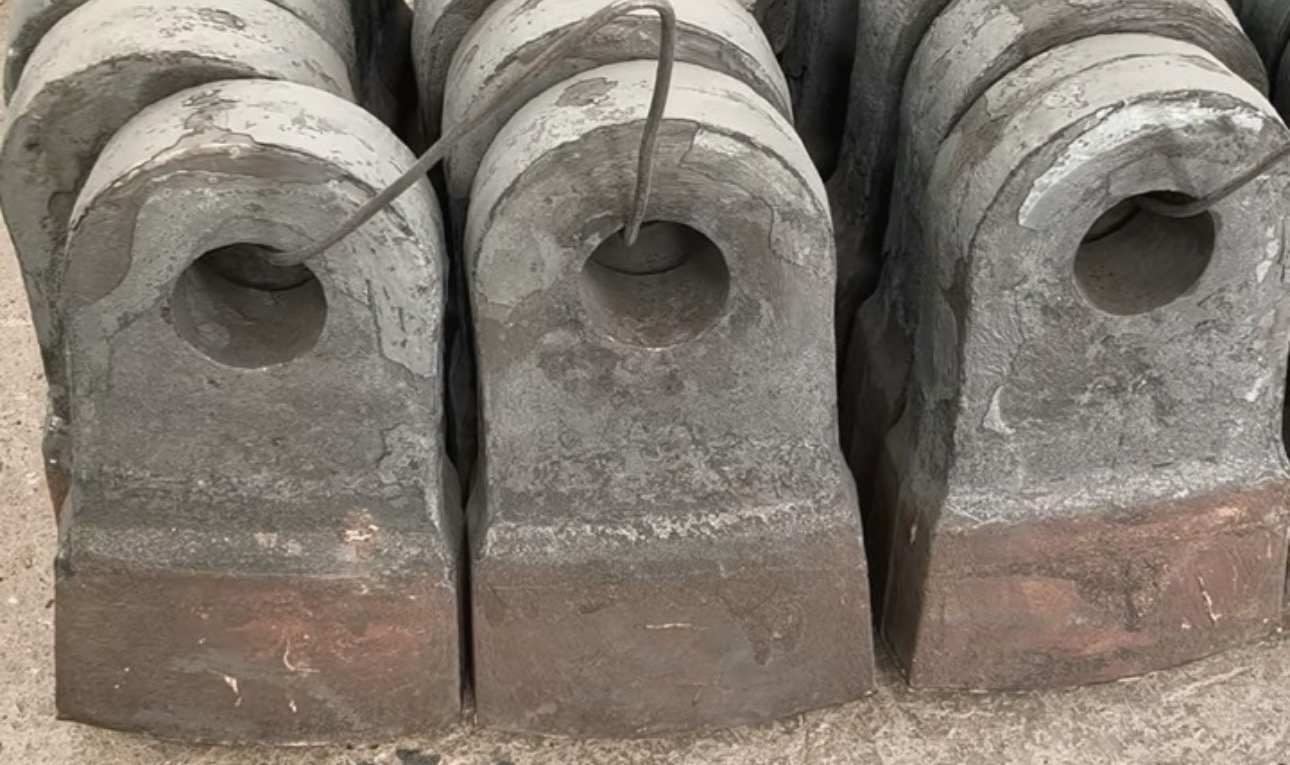
    Bimetal composite hammers are designed to combine two different material properties in one wear part. The working area is usually selected for abrasion resistance, while the supporting body is selected for toughness and impact absorption. This structure can be useful in applications where a single material cannot provide both sufficient wear resistance and impact reliability. This article explains the basic structure, material logic, casting process, bonding interface, application conditions, and key quality risks of bimetal composite hammers. It also discusses why interface quality, pouring control, heat treatment, dimensional accuracy, rotor balance, and failure analysis are important for stable service performance.
    Read More
  • Machining and Dimensional Control for Crusher Wear Parts
    Machining and Dimensional Control for Crusher Wear Parts
    Jul 26, 2026
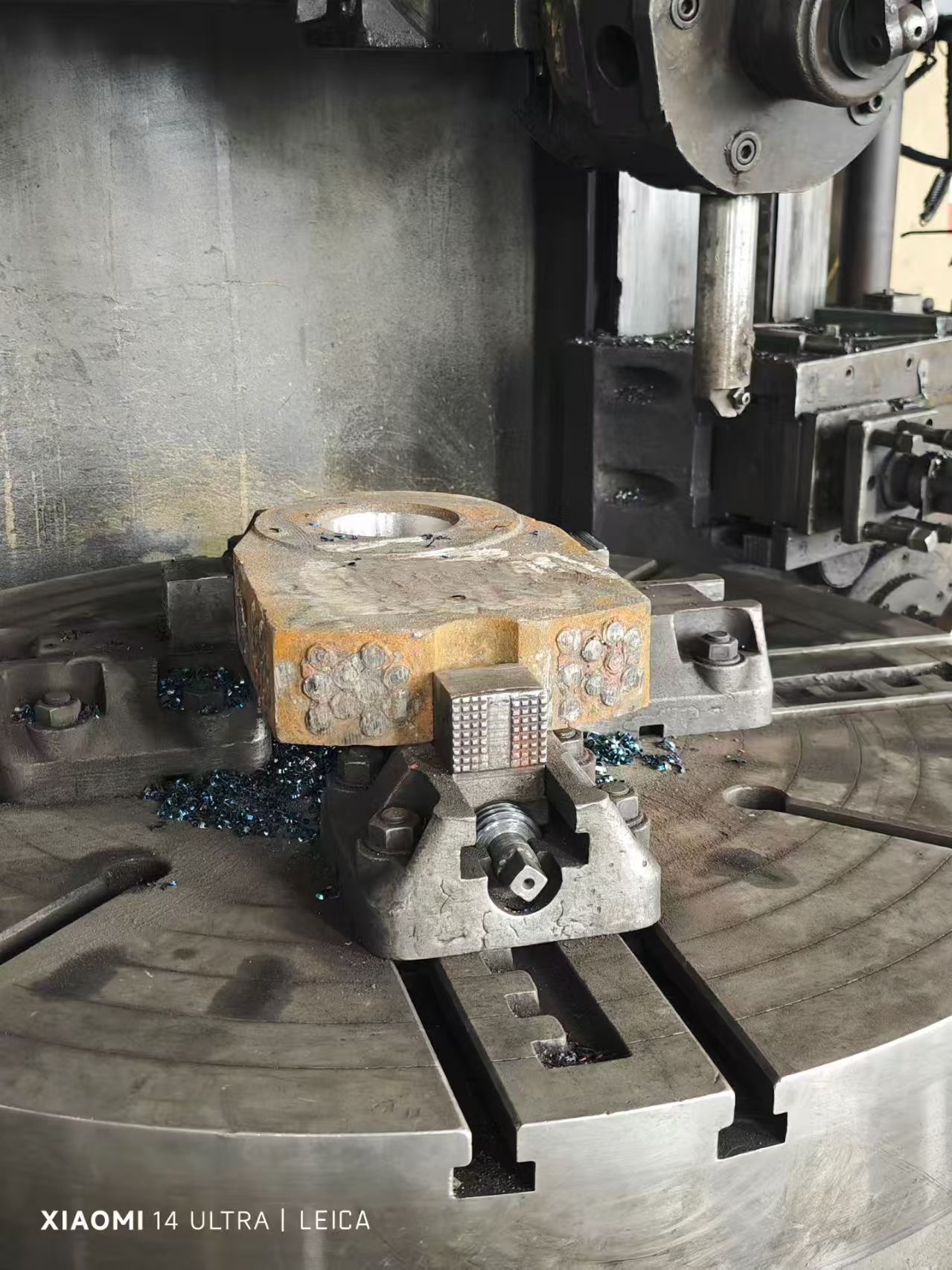
    Crusher wear parts must not only have suitable material and casting quality. They must also fit the equipment correctly. Machining and dimensional control affect installation, load transfer, chamber geometry, rotor balance, fastening reliability, and service stability. This article explains why machined surfaces, bolt holes, pin holes, seating surfaces, tapers, locking faces, and profile dimensions are critical for crusher wear parts. It also discusses how dimensional deviation, forced installation, poor contact, heat-treatment deformation, and inaccurate inspection can lead to abnormal wear, cracking, loosening, vibration, or premature failure.
    Read More
  • Why Heat Treatment Is Critical for Manganese Steel Wear Parts
    Why Heat Treatment Is Critical for Manganese Steel Wear Parts
    Jul 26, 2026
    High-manganese steel wear parts are widely used in crushers because they can combine toughness with surface work hardening. However, this performance depends strongly on correct heat treatment. Chemical composition alone cannot ensure proper service life if harmful carbides remain, quenching is insufficient, or the final microstructure is unstable. This article explains why solution treatment, transfer time, water quenching, cooling rate, section thickness, furnace control, and inspection are critical for manganese steel wear parts. It also discusses how heat-treatment problems can lead to cracking, insufficient work hardening, deformation, premature wear, and unstable performance during crusher operation.
    Read More
  • How Casting Process Affects the Quality of Crusher Wear Parts
    How Casting Process Affects the Quality of Crusher Wear Parts
    Jul 26, 2026
    The performance of crusher wear parts is not determined only by chemical composition or surface hardness. For cast wear parts such as jaw plates, mantles, concaves, blow bars, crusher hammers, mill liners, and other heavy-duty components, the casting process directly affects internal soundness, dimensional accuracy, mechanical properties, and service reliability. This article explains how molding, pouring, riser design, solidification control, heat treatment preparation, cleaning, machining, and inspection influence the final quality of crusher wear parts. It also discusses why defects such as shrinkage cavities, porosity, inclusions, cracks, and dimensional deviation can lead to premature wear or unexpected failure during operation.
    Read More
  • Why High Manganese Crusher Hammers Wear or Break Prematurely
    Why High Manganese Crusher Hammers Wear or Break Prematurely
    Jul 19, 2026
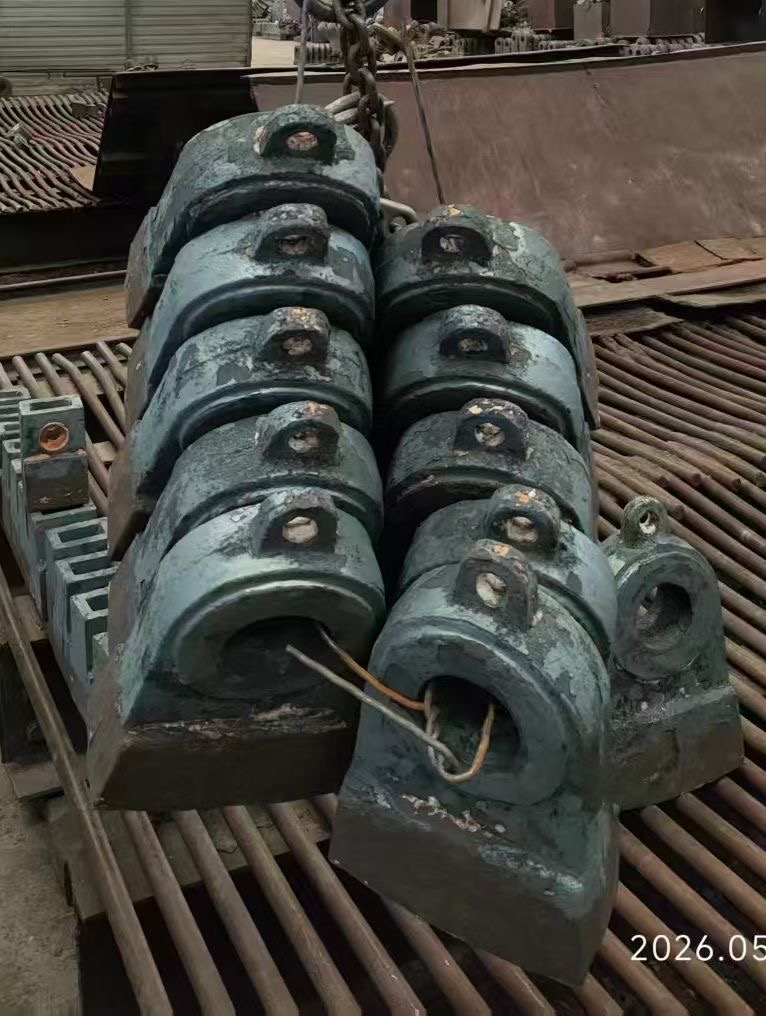
    High-manganese crusher hammers rely on impact-induced work hardening to combine a wear-resistant surface with a tough internal structure. Their performance can be reduced by insufficient impact, poor heat treatment, casting defects, incorrect dimensions, loose installation, tramp metal, oversized feed, and rotor imbalance. This article explains the main causes of hammer wear, cracking, deformation, hole damage, and sudden breakage, as well as the methods used to improve material selection, manufacturing quality, installation, and operating control.
    Read More
  • Why High Chrome Blow Bars Break or Wear Quickly and How to Improve Their Performance
    Why High Chrome Blow Bars Break or Wear Quickly and How to Improve Their Performance
    Jul 19, 2026
    High-chrome blow bars provide excellent resistance to abrasive wear, but they are sensitive to excessive impact, tramp metal, casting defects, incorrect heat treatment, poor rotor fit, and unstable feed conditions. This article explains why blow bars crack, break, loosen, or wear unevenly. It also discusses chromium carbide structure, matrix hardness, casting quality, heat treatment, dimensional control, rotor installation, feed size, crusher speed, and operational inspection.
    Read More
  • Why Ball Mill Liners Fail Prematurely and How to Improve Grinding Efficiency
    Why Ball Mill Liners Fail Prematurely and How to Improve Grinding Efficiency
    Jul 19, 2026
    Ball mill liners protect the mill shell, control charge movement, influence grinding efficiency, and affect power consumption. Premature liner failure may result from unsuitable material, incorrect liner profile, loose bolts, impact overload, poor installation, casting defects, or unstable mill operation. This article explains the main wear and failure mechanisms of ball mill liners and discusses how material selection, liner design, heat treatment, bolt control, charge level, ball size, feed condition, and inspection can be optimized.
    Read More
  • Why Mantles and Concaves Wear Unevenly and How to Improve Their Service Life
    Why Mantles and Concaves Wear Unevenly and How to Improve Their Service Life
    Jul 19, 2026
    Mantles and concaves operate under continuous compression, abrasive wear, impact loading, and high contact pressure inside a cone crusher. Their service life depends on much more than material hardness. This article explains the main causes of uneven wear, premature cracking, loose installation, profile loss, and reduced crushing efficiency. It also examines material selection, work hardening, chamber design, feed distribution, liner thickness, casting quality, heat treatment, dimensional accuracy, crusher settings, and operating control.
    Read More
  • Why Jaw Plates Fail Prematurely and How to Improve Their Service Life
    Why Jaw Plates Fail Prematurely and How to Improve Their Service Life
    Jul 19, 2026
    Jaw plates operate under repeated impact, compressive loading, abrasive wear, and constantly changing feed conditions. Premature failure is rarely caused by only one factor. Material selection, casting quality, heat treatment, chamber design, feed distribution, installation accuracy, and operating conditions all affect the final service life. This article explains the most common causes of premature jaw plate wear, cracking, deformation, and breakage. It also discusses how material grade, work-hardening conditions, dimensional accuracy, mounting contact, feed control, and regular inspection can be optimized to improve reliability and reduce the total operating cost of a jaw crusher.
    Read More
  • Wear Parts Quality Inspection and Nondestructive Testing
    Wear Parts Quality Inspection and Nondestructive Testing
    Jul 14, 2026
    A systematic introduction to the quality inspection items required before wear-resistant castings are delivered, including chemical composition, dimensions, hardness, microstructure, ultrasonic testing, magnetic particle testing, penetrant testing, and visual inspection, as well as the types of casting defects that can be identified by different inspection methods.
    Read More
  • Wear Parts Machining and Tolerance Control
    Wear Parts Machining and Tolerance Control
    Jul 14, 2026
    An introduction to the key technologies used in rough machining, finish machining, and dimensional inspection of wear-resistant castings, including machining datums, machining allowance, dimensional tolerances, concentricity, circular runout, flatness, perpendicularity, and surface roughness, as well as how machining accuracy affects assembly and equipment operation.
    Read More
  • Wear Parts Heat Treatment Process
    Wear Parts Heat Treatment Process
    Jul 14, 2026
    A detailed introduction to the heat-treatment processes used for high-manganese steel, high-chromium cast iron, and low-alloy wear-resistant steel castings, including heating, holding, quenching, tempering, hardness testing, microstructure inspection, and residual stress control, as well as the effect of heat treatment on wear resistance and cracking resistance.
    Read More
  • Wear Parts Melting and Pouring Process
    Wear Parts Melting and Pouring Process
    Jul 14, 2026
    An analysis of the key control points in the melting and pouring process for wear-resistant castings, including raw material proportioning, chemical composition testing, deoxidation, slag removal, molten metal temperature, pouring speed, and molten metal cleanliness, as well as how these factors affect slag inclusions, gas porosity, cracking, and mechanical properties.
    Read More
  • Wear Parts Casting Molding Process
    Wear Parts Casting Molding Process
    Jul 14, 2026
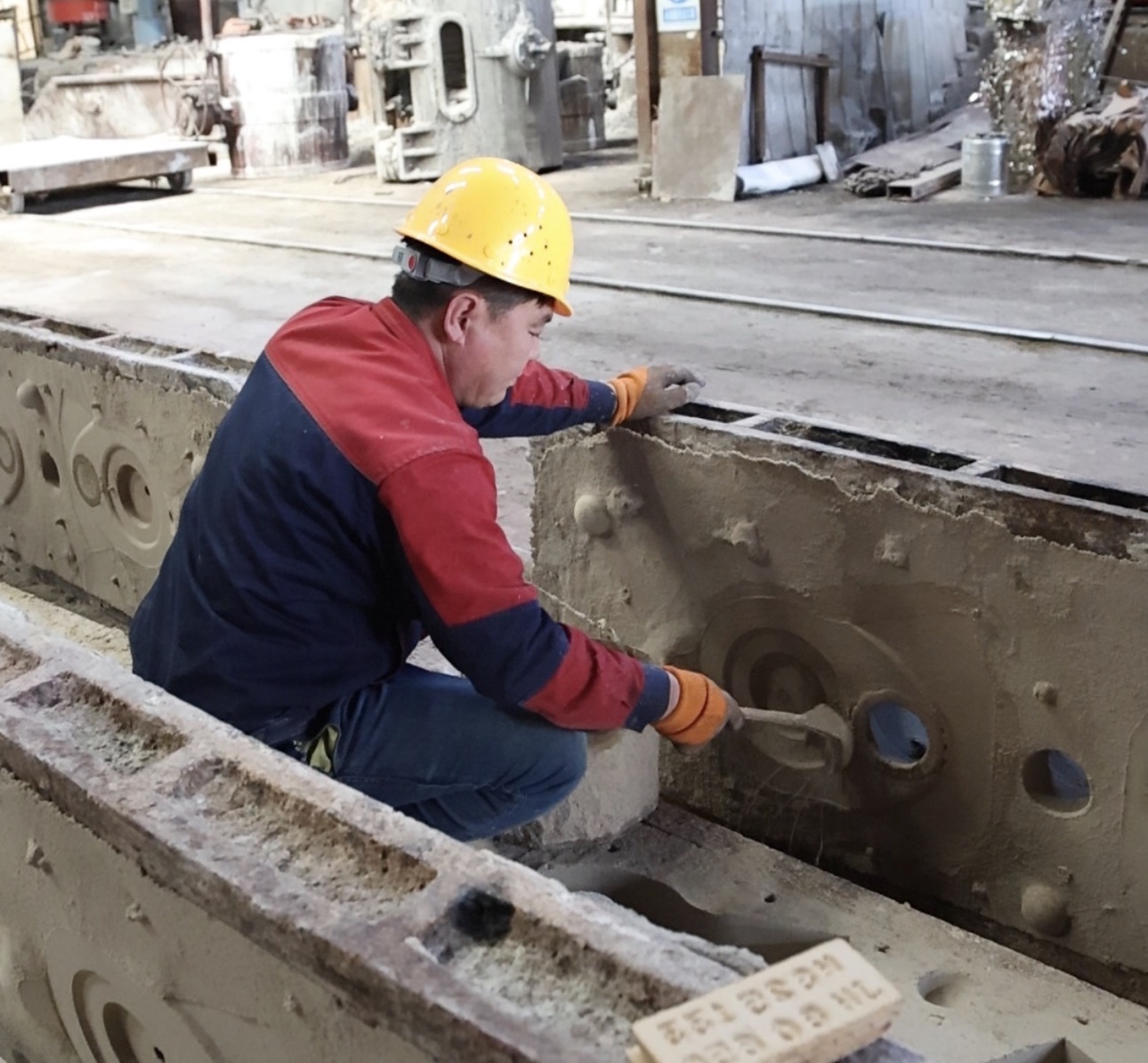
    A detailed introduction to the molding process for wear-resistant castings, including pattern dimensional compensation, casting shrinkage, machining allowance, sand core positioning, parting line design, gating systems, and riser systems, as well as how these factors affect dimensional accuracy, surface quality, and internal defects.
    Read More
  • Manganese Steel Hammers: Impact-Resistant Wear Parts for Hammer Crushers
    Manganese Steel Hammers: Impact-Resistant Wear Parts for Hammer Crushers
    Jul 06, 2026
    Manganese steel hammers are core wear parts in hammer crushers. They crush materials through high-speed impact. The toughness, work-hardening ability, casting quality and heat treatment of the hammer directly affect crushing efficiency, impact resistance, service life and maintenance cost. This article introduces the function, material features, production process, suitable working conditions and purchasing points of manganese steel hammers.
    Read More
  • High Chrome Blow Bars: Key Wear Parts for Impact Crusher Performance
    High Chrome Blow Bars: Key Wear Parts for Impact Crusher Performance
    Jul 06, 2026
    High chrome blow bars are core wear parts in impact crushers. They directly withstand high-speed impact and strong abrasion. The material, hardness, toughness, casting quality and installation accuracy of blow bars affect crushing efficiency, final product shape, equipment stability and service life. This article introduces the function, material features, production process, suitable materials and purchasing points of high chrome blow bars.
    Read More
  • Ball Mill Liners: Key Wear Parts for Mill Protection and Grinding Efficiency
    Ball Mill Liners: Key Wear Parts for Mill Protection and Grinding Efficiency
    Jul 06, 2026
    Ball mill liners are important wear parts installed inside the mill shell. They protect the mill body, lift grinding media and improve grinding performance. The material, structure, installation accuracy and wear resistance of liners directly affect mill stability, grinding efficiency and maintenance cost. This article introduces the function, material selection, production process, application conditions and purchasing points of ball mill liners.
    Read More
  • Jaw Plates: Key Wear Parts for Jaw Crushers in Mining and Quarrying
    Jaw Plates: Key Wear Parts for Jaw Crushers in Mining and Quarrying
    Jul 06, 2026
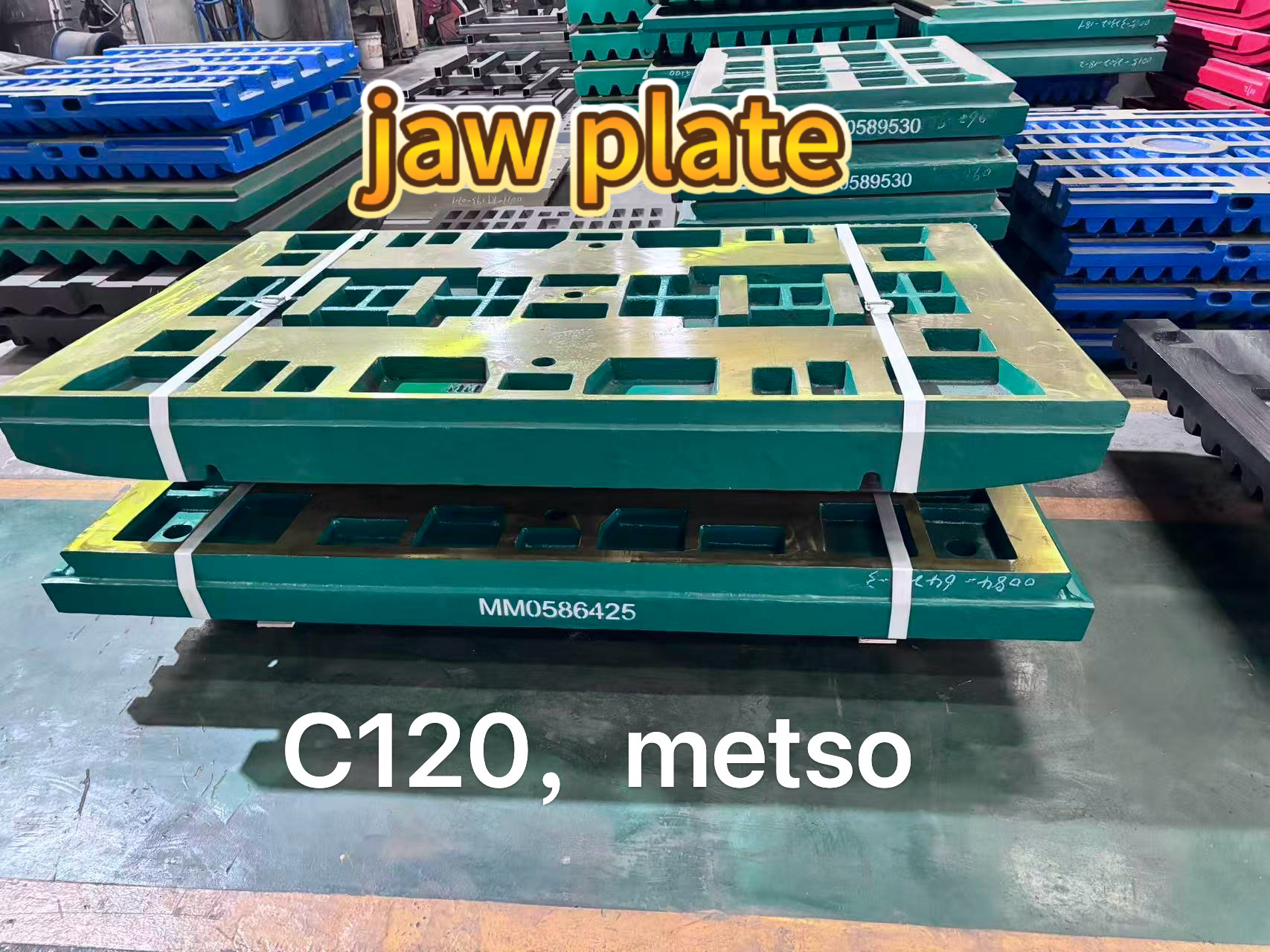
    Jaw plates are the core wear parts of a jaw crusher. They directly crush rocks, ores and aggregates through repeated compression. The material, tooth profile, casting quality and heat treatment of jaw plates affect crushing efficiency, service life, output size and maintenance cost. This article introduces the function, material selection, production process, quality control and purchasing points of jaw plates for mining, quarrying and aggregate production.
    Read More
  • Cone Crusher Mantle and Concave: Material, Process and Selection Guide
    Cone Crusher Mantle and Concave: Material, Process and Selection Guide
    Jul 06, 2026
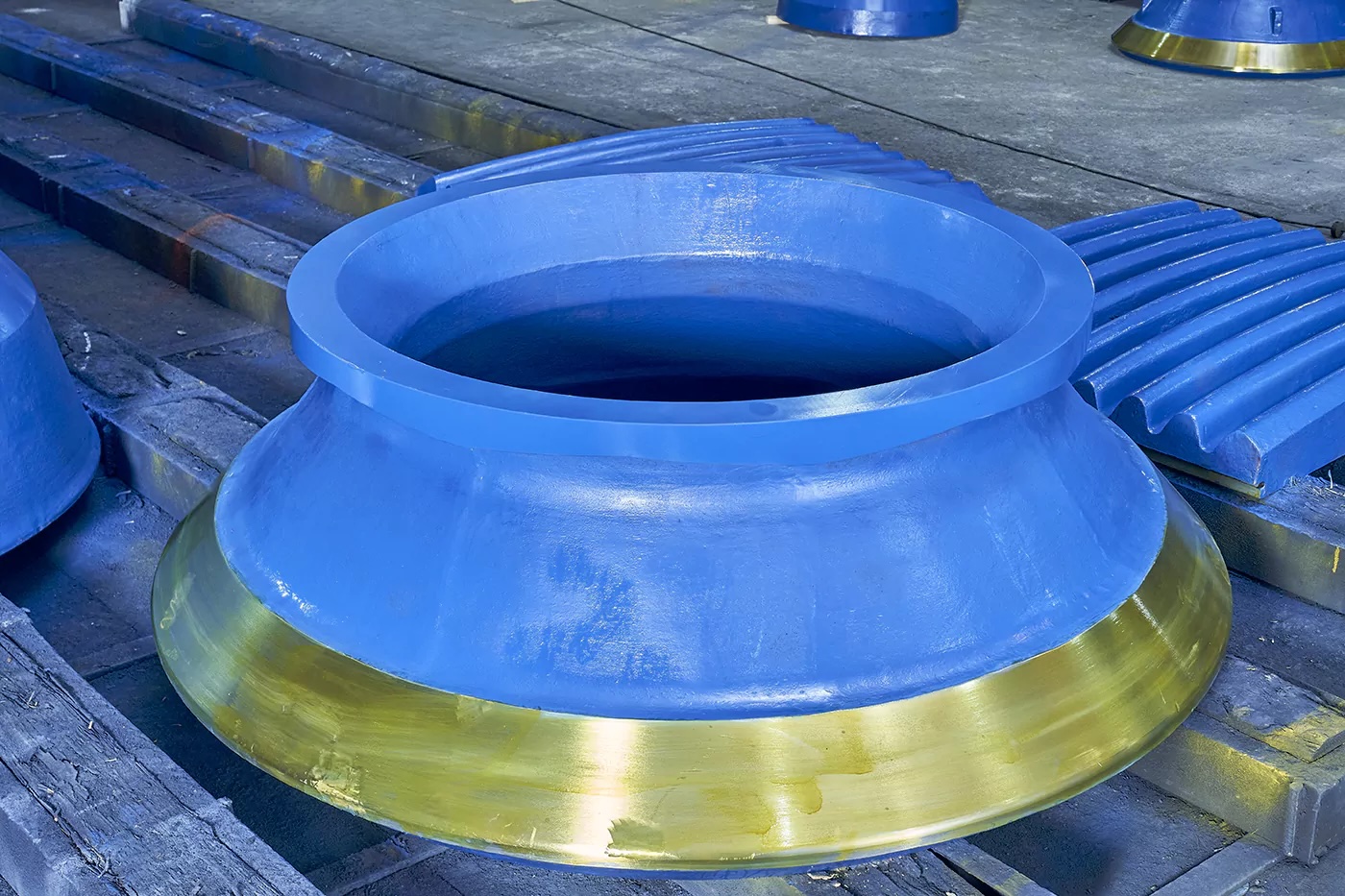
    Mantle and concave are the key wear parts inside a cone crusher. They directly affect crushing efficiency, final product shape, equipment stability and maintenance cost. This article introduces the structure, material selection, casting process, quality control and purchasing points of cone crusher mantle and concave for mining, quarrying and aggregate production.
    Read More
  • Molten Steel Pouring Process: A Key Step That Determines the Internal Quality of Castings
    Molten Steel Pouring Process: A Key Step That Determines the Internal Quality of Castings
    Jun 27, 2026
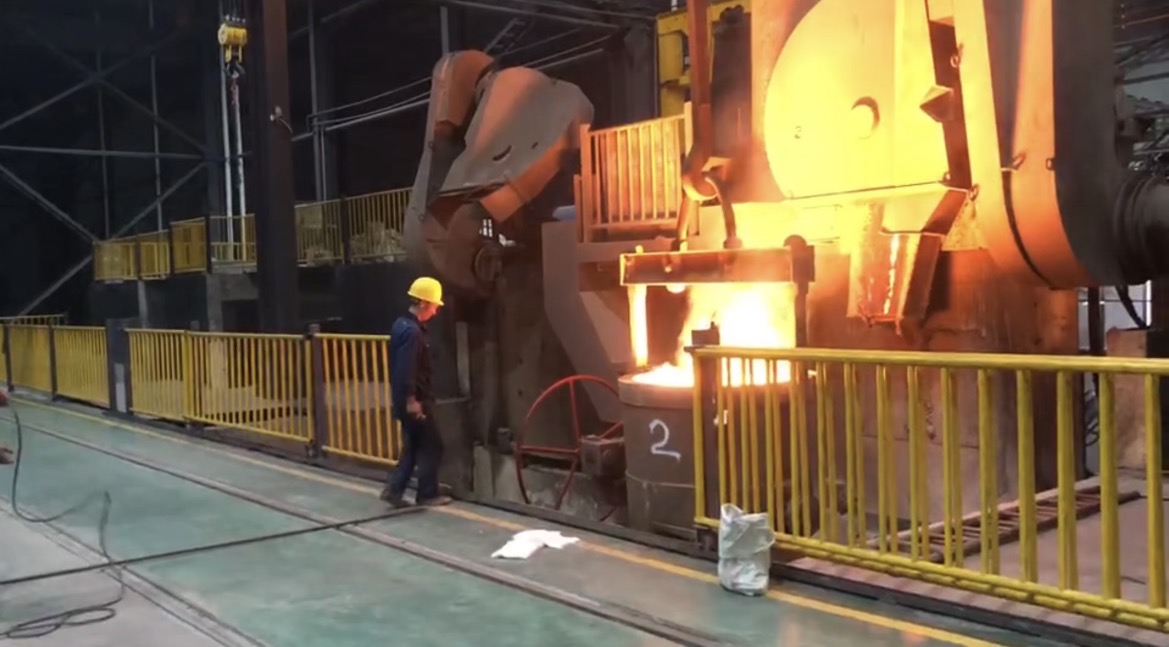
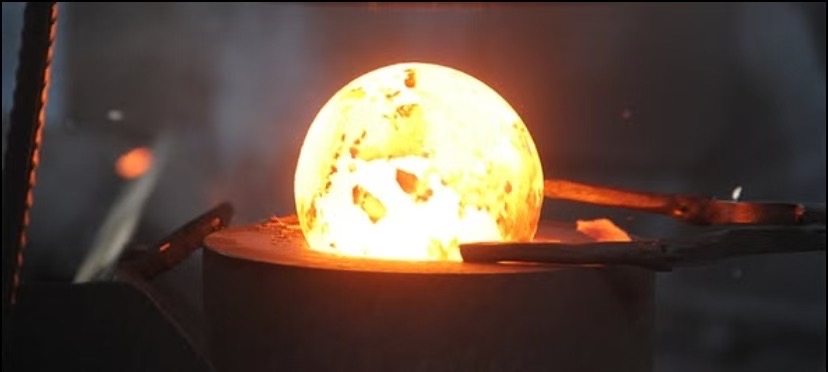
    Molten steel pouring is a very critical step in casting production. For heavy castings such as crusher wear parts, ball mill liners, hammers, jaw plates, mantle and concave, the pouring process not only affects the appearance of castings, but also directly determines internal compactness, shrinkage cavity and shrinkage porosity control, slag inclusion risk and final service life. Stable pouring temperature, reasonable pouring speed, strict molten steel purification and standardized on-site operation are important foundations for ensuring the quality of wear-resistant castings.
    Read More
  • Structural Features and Manufacturing Key Points of VSI Vertical Shaft Impact Crusher Rotor Assembly
    Structural Features and Manufacturing Key Points of VSI Vertical Shaft Impact Crusher Rotor Assembly
    Jun 27, 2026
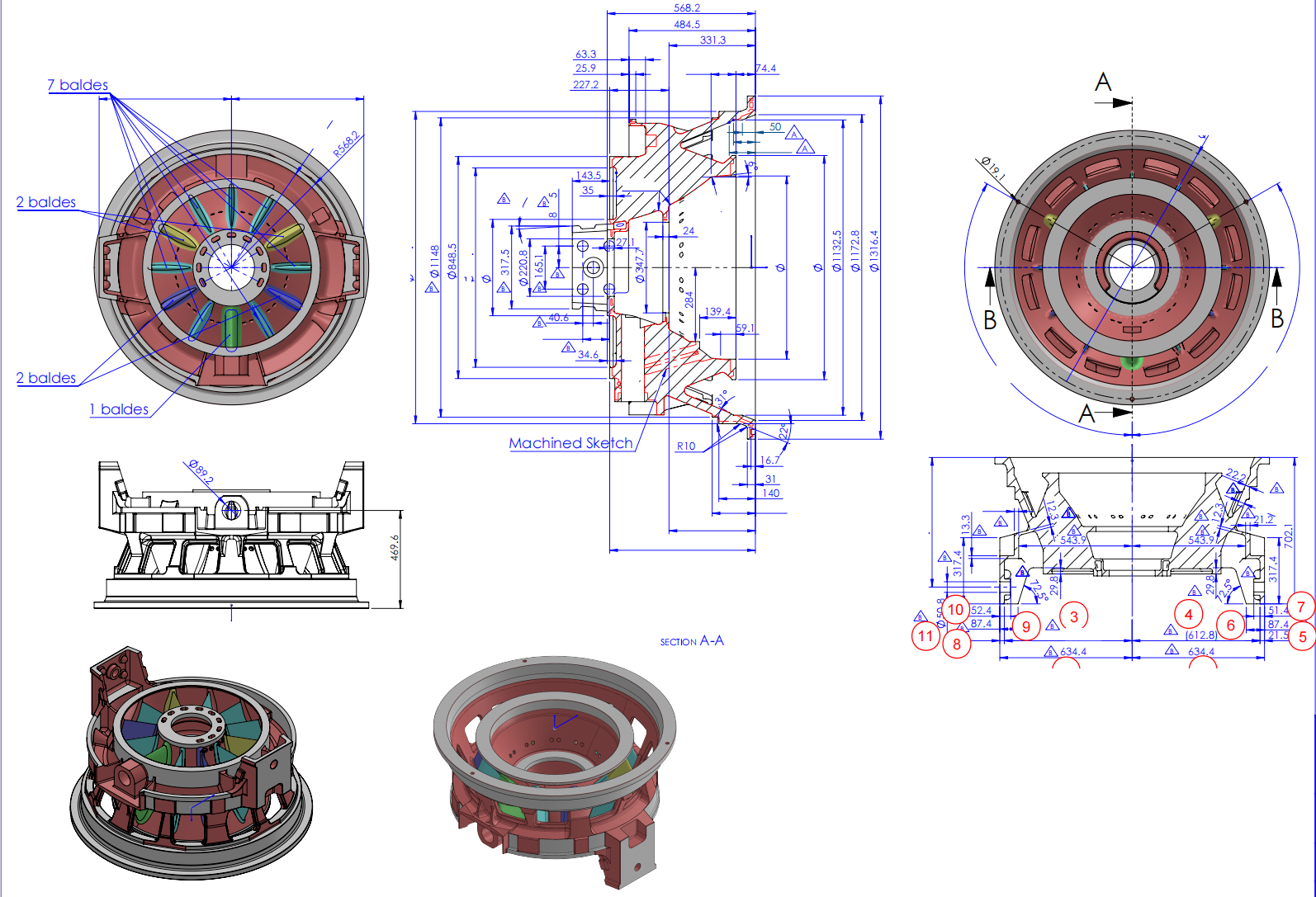
    The VSI vertical shaft impact crusher rotor assembly is a core rotating component in sand making machines and mining crushing equipment. It directly affects material acceleration, crushing efficiency, final particle shape and equipment operating stability. Based on the rotor assembly drawing, this article analyzes the key manufacturing points of its flow channel design, blade arrangement, wear protection, casting and machining, and dynamic balancing control, helping mines, quarries and manufactured sand production lines better understand the quality control priorities of this type of product.
    Read More
  • Indian Customer Factory Visit for Steel Plant Furnace Grate Bars
    Indian Customer Factory Visit for Steel Plant Furnace Grate Bars
    Jun 27, 2026
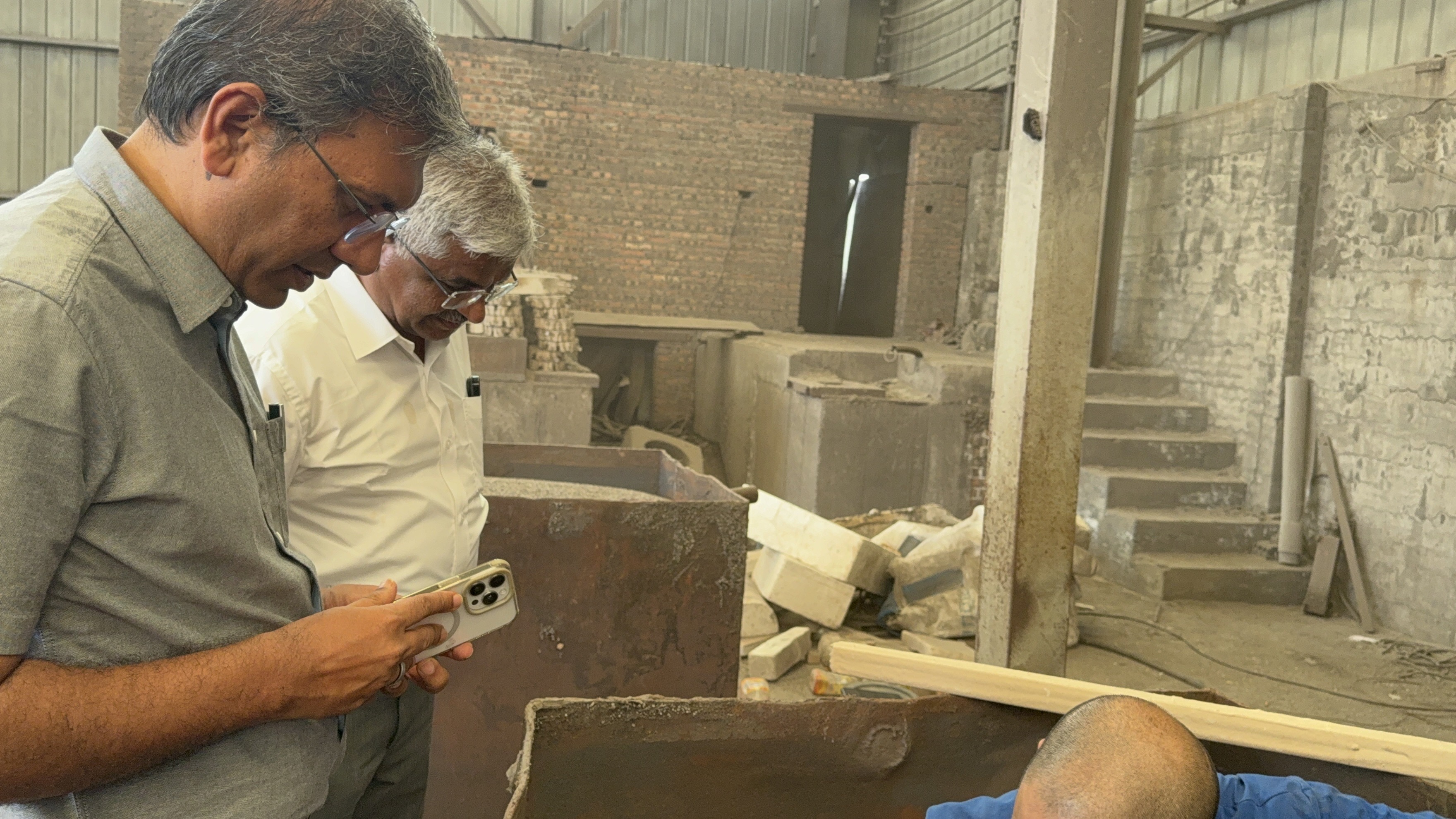
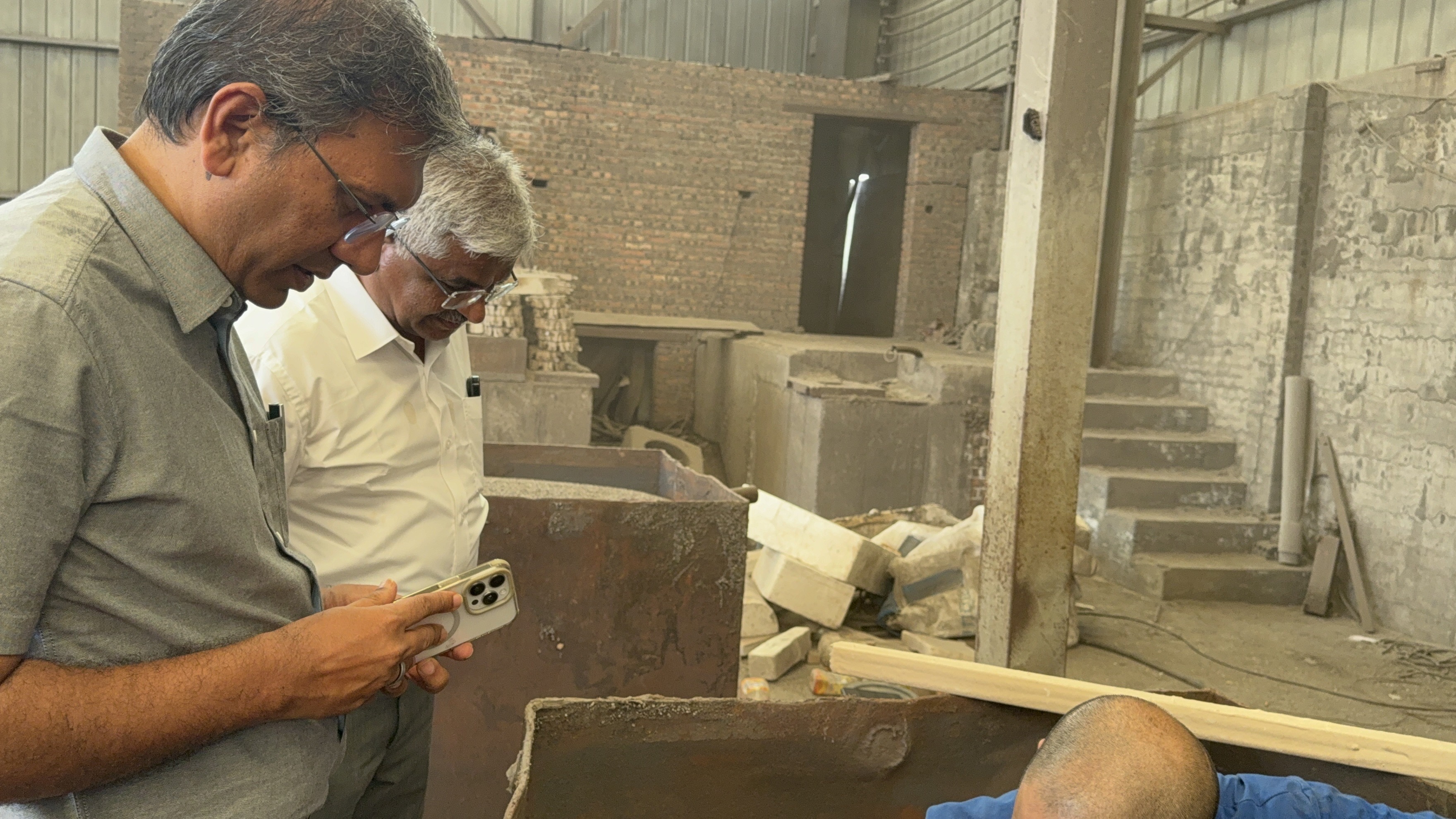
    Indian customers visited our foundry for an on-site inspection of furnace grate bars used in steel plant furnace systems. The visit focused on casting capability, material selection, heat resistance, dimensional control and long-term service reliability under high-temperature working conditions.
    Read More
  • Core Drilling Tools for Mining and Geology
    Core Drilling Tools for Mining and Geology
    Jun 26, 2026
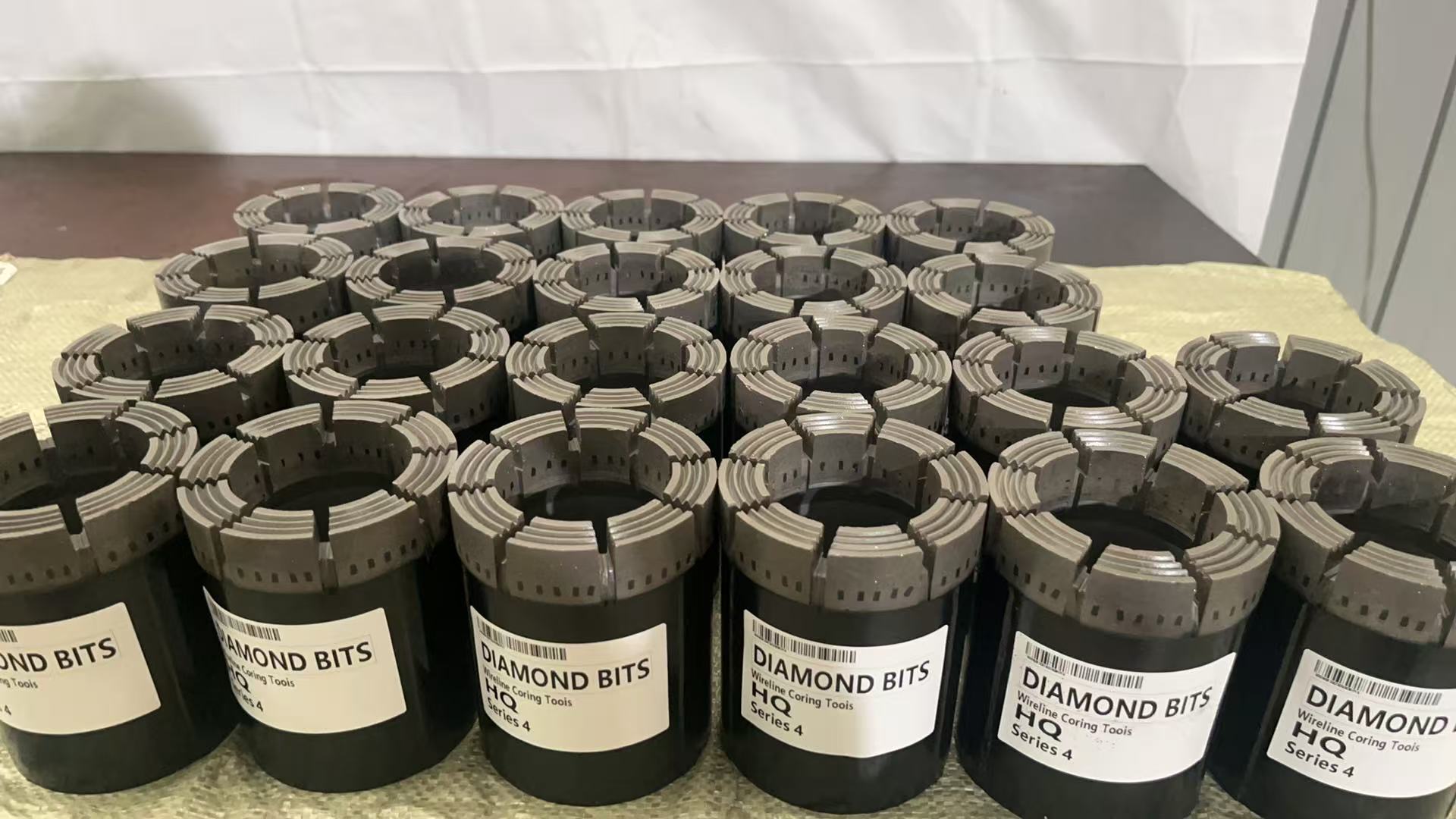
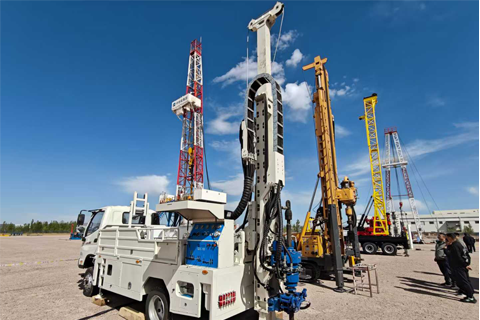
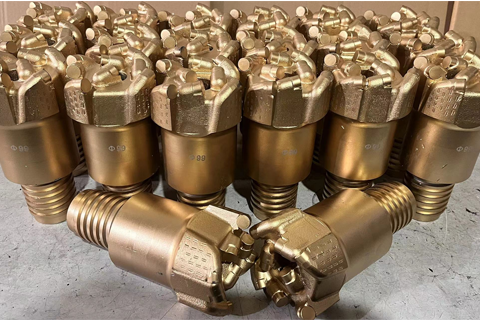
    Mining operations, geological exploration and core sampling require drilling tools with high strength, wear resistance and connection accuracy. Drill rods are responsible for transmitting torque and axial pressure, diamond core bits are responsible for cutting rock formations, and threaded drill rods ensure stable connection and efficient power transmission during drilling. This article focuses on three commonly used drilling tools: drill rods, diamond core bits and threaded drill rods, analyzing their structural features, application scenarios and key quality control points.
    Read More
  • Ni-Hard 4 Grinding Roller Wearing Parts for Cement Mills
    Ni-Hard 4 Grinding Roller Wearing Parts for Cement Mills
    Jun 26, 2026
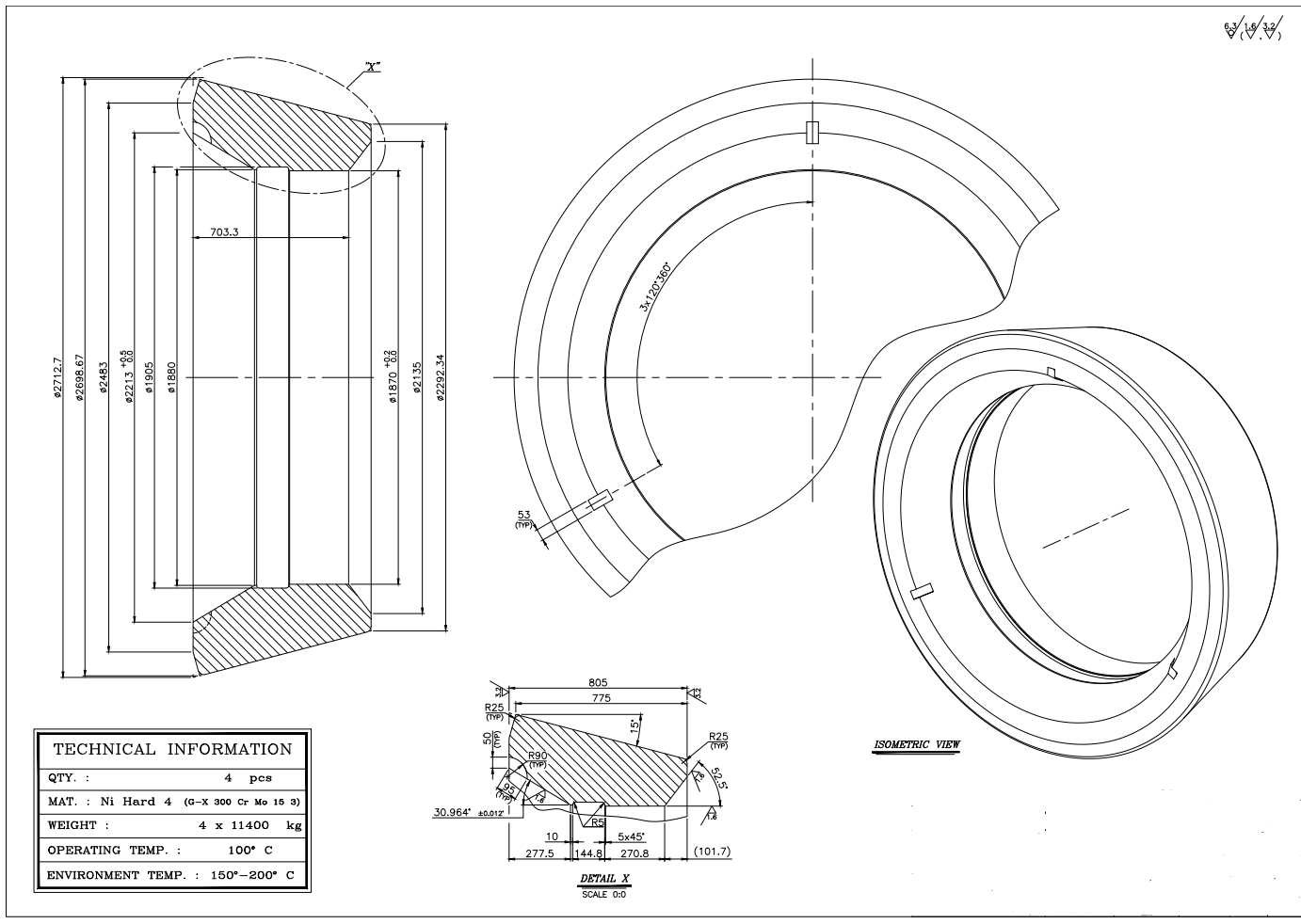
    Grinding roller wearing parts are critical consumable components in cement grinding equipment. Material selection, casting quality, machining accuracy and assembly stability all directly affect grinding efficiency and service life. This article combines a Ni-Hard 4 grinding roller wearing part drawing to analyze its material characteristics, structural difficulties, manufacturing control points and quality inspection requirements.
    Read More
  • High Manganese Steel Hammer Molding Process
    High Manganese Steel Hammer Molding Process
    Jun 26, 2026
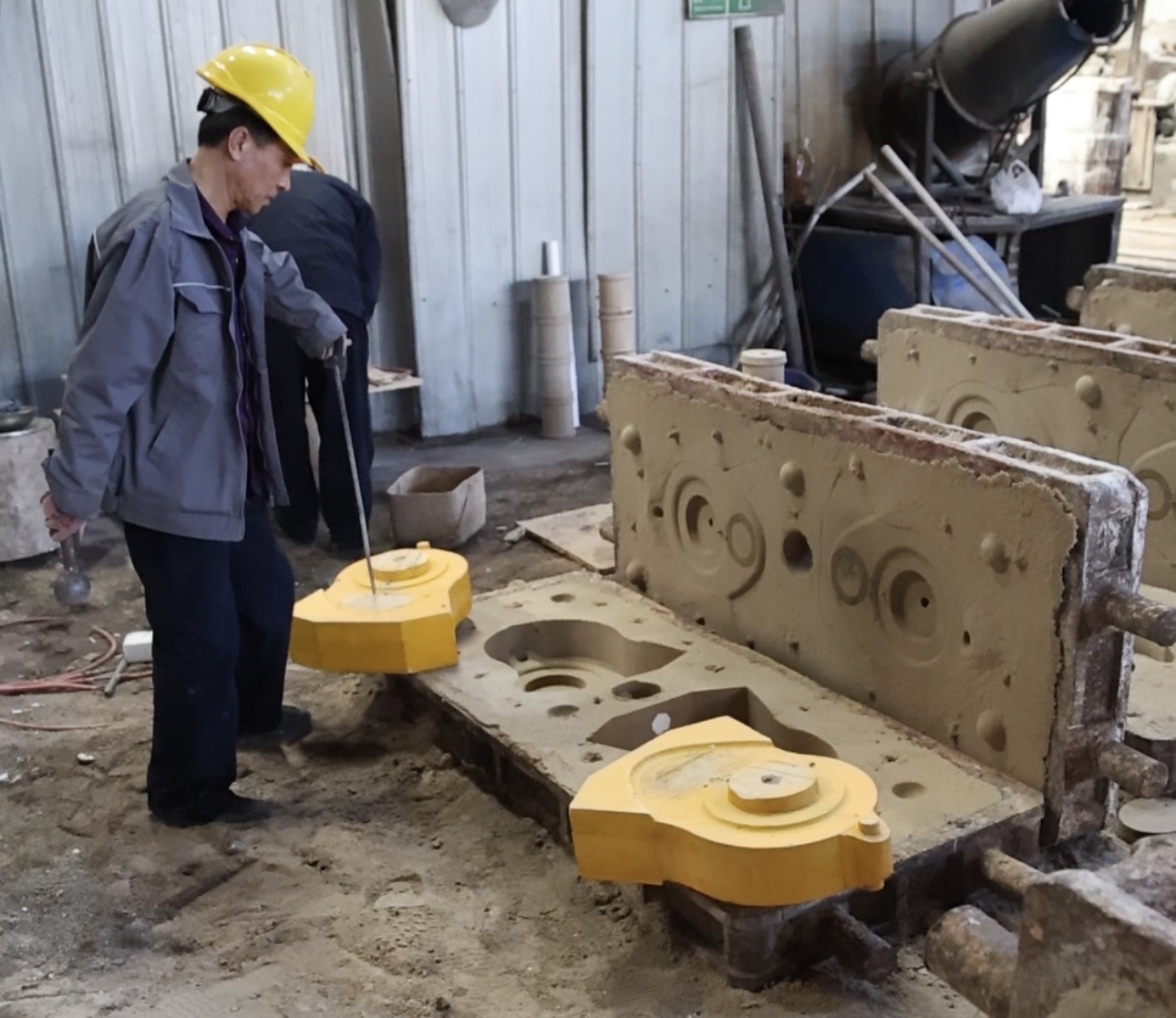
    The quality control of high manganese steel hammers does not begin with pouring, but already starts from the molding stage. Sand mold strength, cavity dimensions, core positioning, gating system, riser feeding and chill arrangement all directly affect the internal density, surface quality and service life of the hammer. For high-impact working conditions such as mining crushing, metal crushing and scrap crushing, a stable molding process is the foundation for reliable performance of high manganese steel hammers.
    Read More
  • How High Manganese Cone Crusher Mantles and Concaves Are Manufactured
    How High Manganese Cone Crusher Mantles and Concaves Are Manufactured
    Jun 25, 2026
    This article explains the complete manufacturing process of high manganese steel cone crusher mantles and concaves, including material selection, Mn13Cr2, Mn18Cr2 and Mn22Cr2 chemical composition control, pattern design, sand casting, gating and riser system design, solution heat treatment, water quenching, machining, dimensional inspection, metallographic inspection, chamber profile matching, and the common causes of premature wear, cracking and failure of cone crusher liners. It is suitable for technical reference in mining, quarrying, aggregate plants and cement plants.
    Read More
  • How High Manganese Steel Jaw Plates Are Manufactured for Jaw Crushers
    How High Manganese Steel Jaw Plates Are Manufactured for Jaw Crushers
    Jun 25, 2026
    Learn how high manganese steel jaw plates are manufactured for jaw crushers, including material grade selection, Mn13Cr2, Mn18Cr2 and Mn22Cr2, sand casting, gating and riser design, solution heat treatment, water quenching, machining, dimensional inspection and wear failure analysis. This technical article explains how fixed jaw plates and movable jaw plates affect crushing performance in mining, quarry, aggregate and cement plant applications.
    Read More
  • Why Scrap Shredder Discharge Doors Matter in Heavy Scrap Processing
    Why Scrap Shredder Discharge Doors Matter in Heavy Scrap Processing
    May 25, 2026
    This article introduces the Mn18Cr2 discharge door for Lidi X7 series scrap shredders, focusing on its working conditions, material advantages, wear resistance, impact resistance, and quality control process.
    Read More
  • Roller Shells for Grinding Mills: How to Improve Wear Life and Reduce Downtime
    Roller Shells for Grinding Mills: How to Improve Wear Life and Reduce Downtime
    May 22, 2026
    Roller shells are one of the core wear parts in vertical roller mills and grinding equipment. Their wear resistance directly affects grinding efficiency, product fineness, power consumption, and maintenance cost. Choosing the right material and structure can significantly improve service life and reduce shutdown frequency.
    Read More
  • How Jaw Crusher Jaw Plates Work: Wear Resistance, Applications and How to Extend Service Life
    How Jaw Crusher Jaw Plates Work: Wear Resistance, Applications and How to Extend Service Life
    May 21, 2026
    Jaw plates are the core wear parts of jaw crushers and directly affect crushing efficiency, operating cost, and equipment stability. This article explains the working principle of jaw crusher jaw plates, common applications in mining and quarry operations, wear resistance performance, reversible jaw plate design, and how to select the right material for different crushing conditions.
    Read More
  • Indonesian Customer Visited Our Factory for Ball Mill Liners Inspection
    Indonesian Customer Visited Our Factory for Ball Mill Liners Inspection
    May 20, 2026
    Recently, our Indonesian customer visited our factory to inspect the production process of ball mill liners. During the visit, the customer checked our molding workshop, machining area, and quality inspection laboratory, including metallographic analysis and spectrometer testing. The visit helped the customer better understand our production capability and quality control system for mining wear parts.
    Read More
  • High Manganese Steel Casting Pouring Process for Mining Wear Parts
    High Manganese Steel Casting Pouring Process for Mining Wear Parts
    May 19, 2026
    This blog records the complete pouring process of high manganese steel wear-resistant castings used in mining machinery. From molten steel melting and composition control to mold preparation, pouring, cooling, and heat treatment, every production step directly affects the wear resistance and impact toughness of crusher wear parts such as jaw plates, liners, and hammers.
    Read More
  • Why Hammer Crusher Grates Fail Fast in Marble Crushing — And How to Extend Service Life
    Why Hammer Crusher Grates Fail Fast in Marble Crushing — And How to Extend Service Life
    May 19, 2026
    In marble crushing lines, hammer crusher grate plates and hammers often face severe wear, clogging, cracking, and uneven material discharge. Many quarry owners focus only on hammer wear but ignore the grate plate condition, which directly affects output size, capacity, and power consumption. This article explains the real working conditions in marble crushing, common customer problems, and how to choose suitable hammer and grate materials for longer service life and stable production.
    Read More
  • Why High-Quality Cast Steel Slag Pots Matter in Modern Steel Plants
    Why High-Quality Cast Steel Slag Pots Matter in Modern Steel Plants
    May 18, 2026
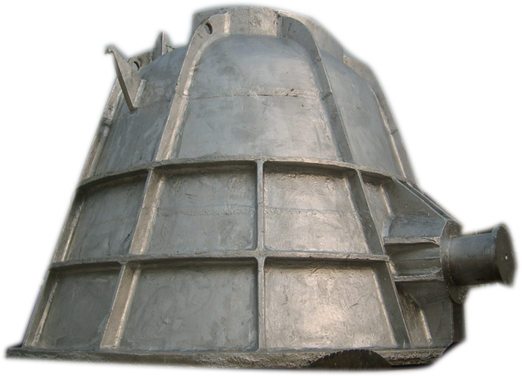
    Slag pots are heavy cast steel components used in steel plants to collect, transport, and dump molten slag. This article explains why large slag pots require advanced foundry capability, strict casting control, heat treatment, machining, and NDT inspection.
    Read More
  • Why Blow Bars Wear Too Fast in Impact Crushers — And How the Right Material Can Reduce Downtime
    Why Blow Bars Wear Too Fast in Impact Crushers — And How the Right Material Can Reduce Downtime
    May 15, 2026
    Many quarry and mining operators focus only on blow bar price when purchasing impact crusher wear parts. But in actual production, the biggest hidden cost is often unstable wear life, unexpected breakage, and excessive downtime. Choosing the correct blow bar material and structure can significantly improve crusher efficiency and reduce maintenance frequency.
    Read More
  • Why Do Scrap Shredder Hammers Wear So Fast? Professional Analysis of Hammer and Hammer Handle Wear
    Why Do Scrap Shredder Hammers Wear So Fast? Professional Analysis of Hammer and Hammer Handle Wear
    May 13, 2026
    Why do some scrap shredder hammers wear much faster than others? Why do hammer handles crack or wear severely? In many cases, the real problem is not only the material itself, but also rotor speed, feed size, feed stability, scrap type, heat treatment, and hammer structure design. TangShan Polarislink Advanced Materials Technology Co.,Ltd. has 29 years of experience in manufacturing high manganese steel wear parts. We have complete hammer drawings and production experience for Lidi, Huahong, Luoyou, Taiwan Zhengxin, and Newell scrap shredders. We provide Mn13Cr2, Mn18Cr2, Mn22Cr2, and titanium carbide reinforced shredder hammers for different scrap recycling conditions.
    Read More
  • Crusher Hammer Always Breaking or Wearing Out? Why More Quarry Owners Choose Bimetal Hammers
    Crusher Hammer Always Breaking or Wearing Out? Why More Quarry Owners Choose Bimetal Hammers
    May 12, 2026
    double liquid bimetal hammer,bimetal crusher hammer,Cr26 hammer head,35# steel hammer shank,mining crusher hammer,quarry crusher hammer,impact crusher hammer,cement crusher hammer,wear resistant hammer,crusher spare parts,Polarislink
    Read More
  • Heavy Duty Discharge Door for Scrap Shredder
    Heavy Duty Discharge Door for Scrap Shredder
    May 11, 2026
    This blog introduces heavy duty discharge doors used in scrap metal shredding systems, especially for large scale scrap shredders such as LiDi scrap recycling equipment. The discharge door is a critical structural and wear resistant component that directly affects material discharge efficiency, machine stability, and maintenance cost. TangShan Polarislink Advanced Materials Technology Co.,Ltd. manufactures durable shredder wear parts with reliable welding quality, wear resistant materials, and strict dimensional control for demanding scrap recycling applications.
    Read More
  • Heavy Duty Mn13 Cast Track Shoes, Bucket Arms and Bucket Bottom Plates for Mining Equipment
    Heavy Duty Mn13 Cast Track Shoes, Bucket Arms and Bucket Bottom Plates for Mining Equipment
    May 09, 2026
    This blog introduces heavy-duty Mn13 cast track shoes, bucket arms and bucket bottom plates used in large mining and crawler equipment. These wear-resistant castings are designed for high-impact and abrasive working conditions in mining, quarry, and heavy earthmoving applications. TangShan Polarislink Advanced Materials Technology Co.,Ltd. provides high manganese steel castings with stable quality control, professional heat treatment, and precision machining for demanding industrial environments.
    Read More
  • High Manganese Steel Scrap Shredder Wear Parts | Hammers, Grates and Pin Protectors
    High Manganese Steel Scrap Shredder Wear Parts | Hammers, Grates and Pin Protectors
    May 08, 2026
    High manganese steel shredder wear parts play a critical role in scrap metal recycling and steel processing industries. This article introduces shredder hammers, grates and hammer pin protectors used in heavy-duty scrap shredders, explaining their functions, material advantages and manufacturing processes. TangShan Polarislink Advanced Materials Technology Co.,Ltd. provides durable wear-resistant castings for demanding recycling applications worldwide.
    Read More
  • Precision Machining for Large Industrial Wear Parts and Mining Equipment Components
    Precision Machining for Large Industrial Wear Parts and Mining Equipment Components
    May 07, 2026
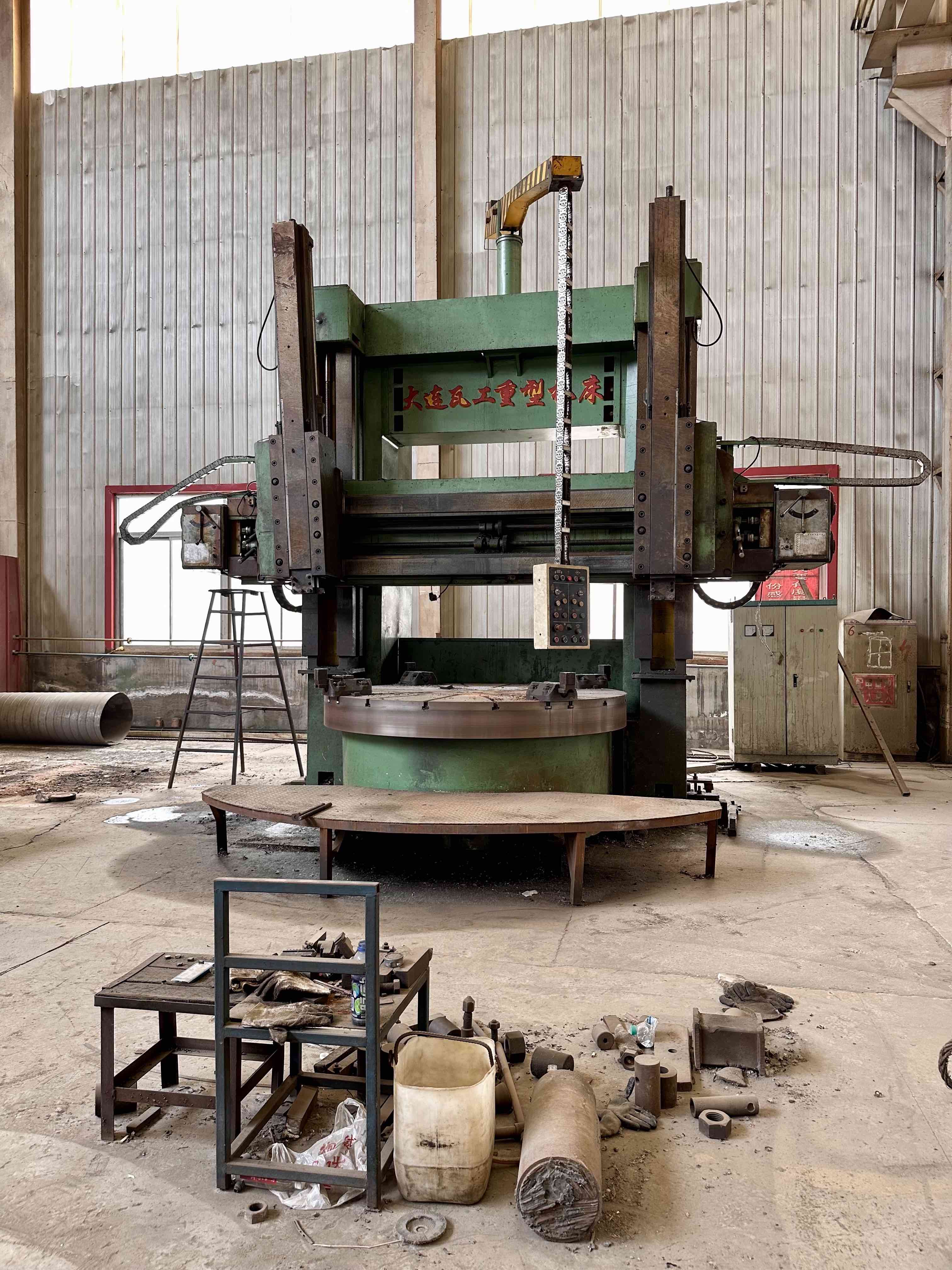
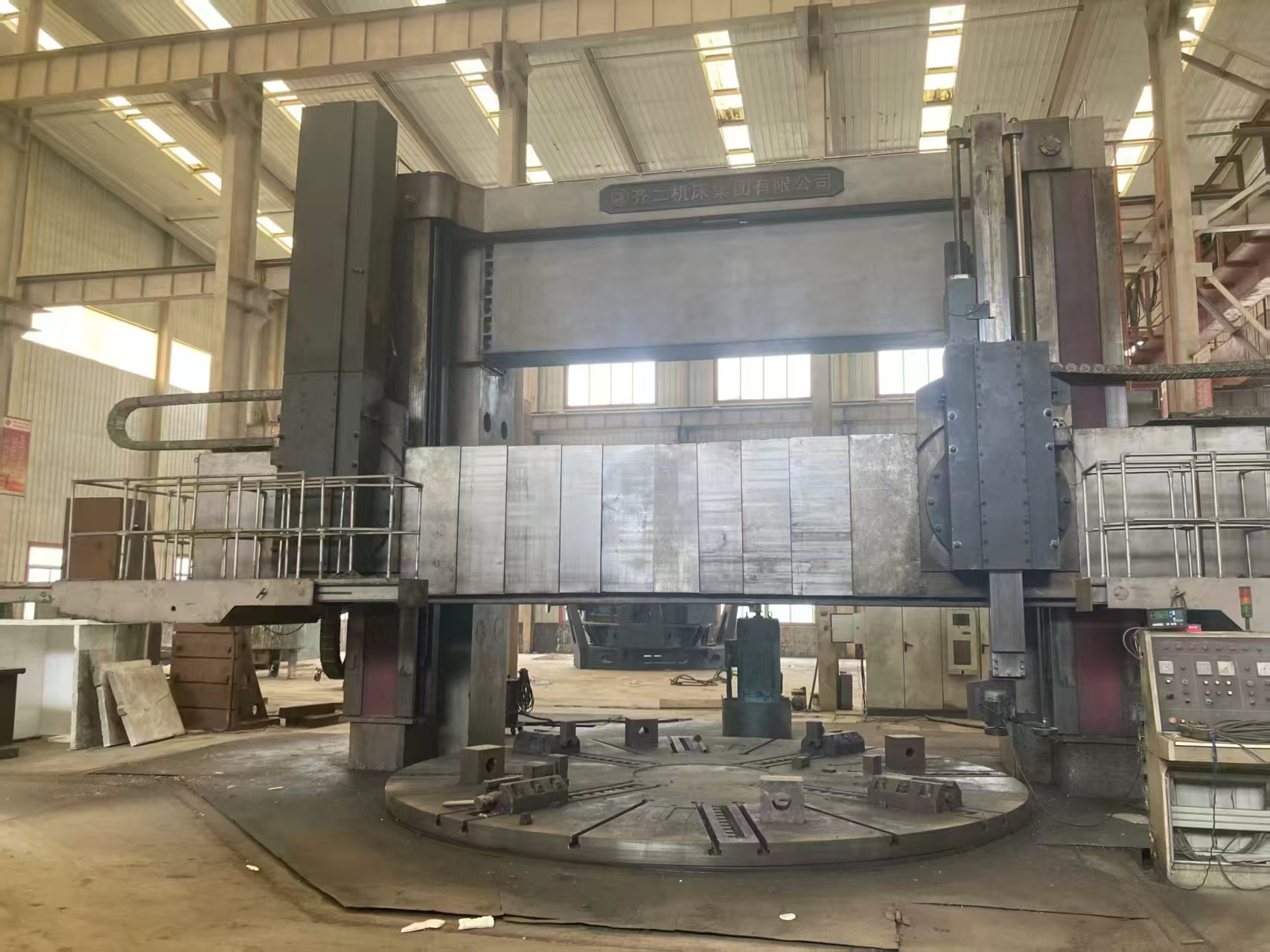
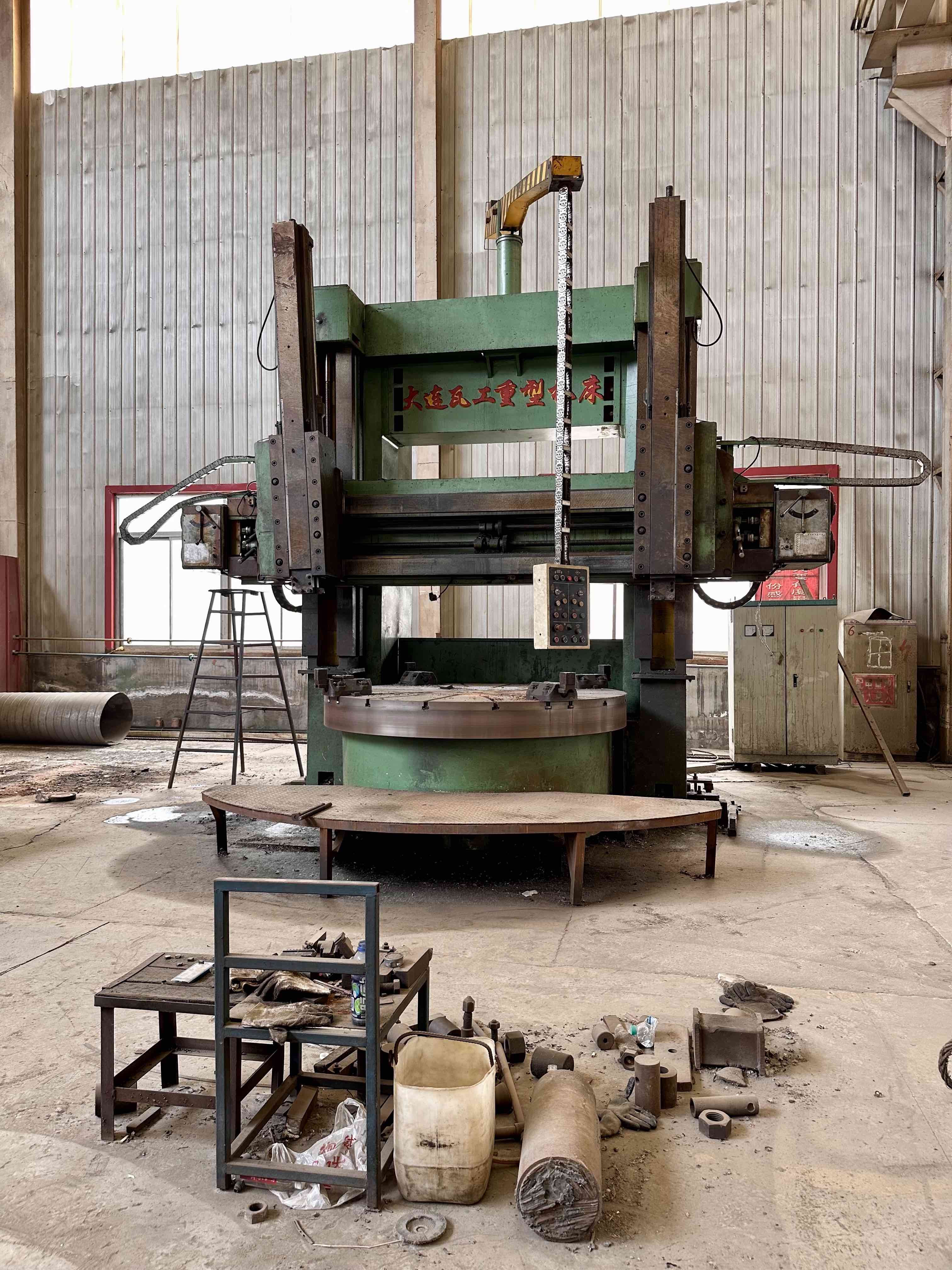
    Precision machining is one of the most critical processes in the production of large industrial wear parts and mining equipment components. At TangShan Polarislink Advanced Materials Technology Co.,Ltd., our machining workshop is equipped with large CNC vertical lathes, boring and milling machines, and heavy-duty machining equipment to ensure dimensional accuracy, stable assembly performance, and reliable service life for crusher wear parts and industrial castings. This article introduces our machining capabilities, equipment, machining processes, and quality control methods used for high manganese steel and alloy wear-resistant castings.
    Read More
  • Indian Steel Plant Customer Visited Polarislink Foundry to Inspect Grate Bar Production
    Indian Steel Plant Customer Visited Polarislink Foundry to Inspect Grate Bar Production
    May 06, 2026
    Recently, an Indian customer visited TangShan Polarislink Advanced Materials Technology Co.,Ltd. to inspect our foundry production process for steel plant grate bars and furnace grate plate castings. During the visit, the customer focused on the molding workshop, casting quality control, raw material selection, and heat treatment process. This visit helped the customer better understand our manufacturing capability for high temperature and wear-resistant steel plant spare parts. Learn more at www.polarislink.net #polarislink
    Read More
  • Sand Casting Process in Foundry: From Molding to High-Quality Wear Parts
    Sand Casting Process in Foundry: From Molding to High-Quality Wear Parts
    Apr 30, 2026
    This article introduces the complete sand casting molding process used in foundries, including mold preparation, silica sand selection, binder systems, coating application, and drying. It highlights how TangShan Polarislink Advanced Materials Technology Co.,Ltd ensures stable mold quality to produce high-performance wear parts for mining and industrial applications.
    Read More
  • Chilean Copper Mine Client Visit TangShan Polarislink Factory for Jaw Plate Cooperation
    Chilean Copper Mine Client Visit TangShan Polarislink Factory for Jaw Plate Cooperation
    Apr 29, 2026
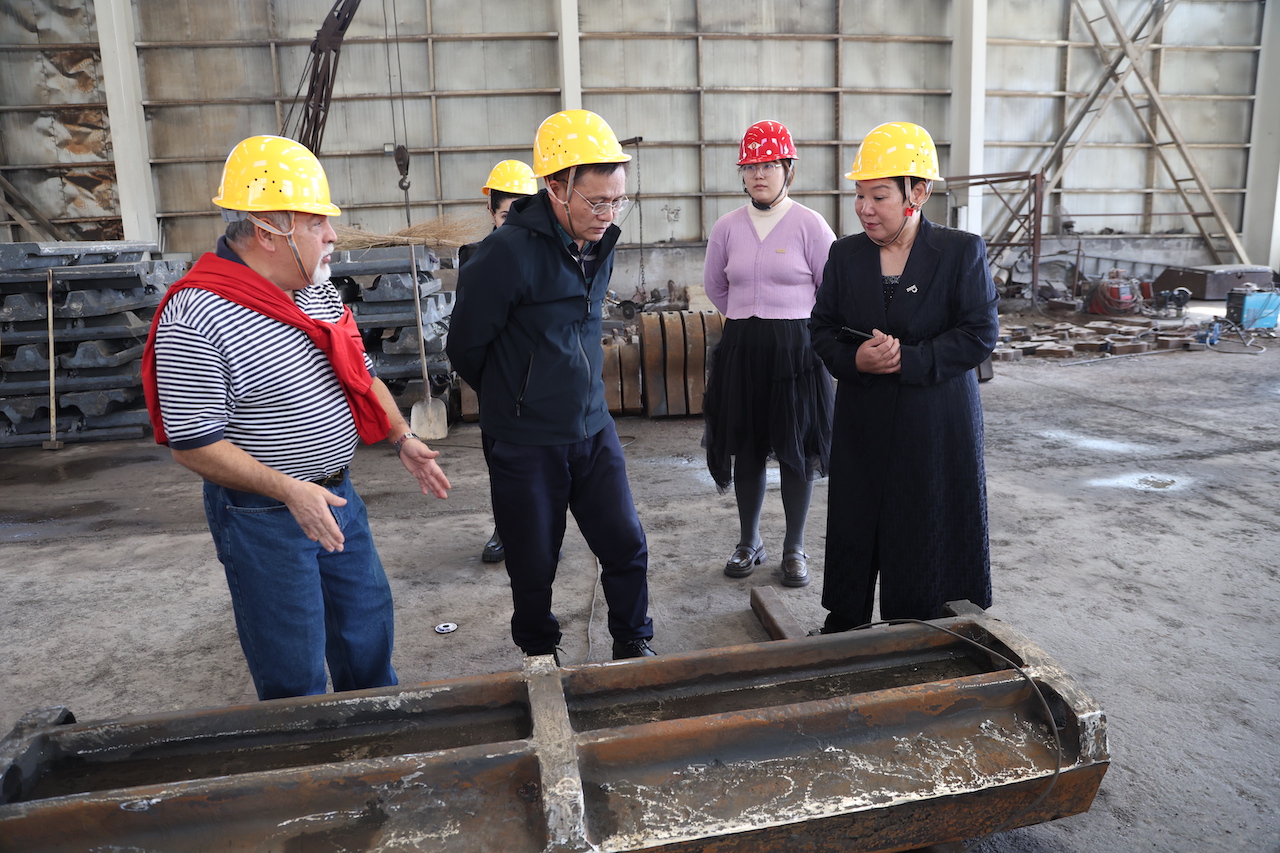
    A copper mining client from Chile recently visited TangShan Polarislink Advanced Materials Technology Co.,Ltd. to evaluate jaw plate production capabilities. The visit covered pattern workshop, molding workshop, machining workshop, and quality inspection processes. This article shares real factory visit insights, product discussions, and how we ensure stable performance of high manganese steel jaw plates for mining operations.
    Read More
  • Mastering Heat Treatment of Steel Castings for Mining Wear Parts
    Mastering Heat Treatment of Steel Castings for Mining Wear Parts
    Apr 28, 2026
    Heat treatment is the key process that determines the performance of steel castings. By controlling temperature and cooling rate, properties such as hardness, strength, and toughness can be optimized. This article explains annealing, normalizing, quenching, and tempering in detail, with practical insights from TangShan Polarislink Advanced Materials Technology Co.,Ltd. for mining wear parts.
    Read More
  • 17-4 PH Stainless Steel: Properties and Applications
    17-4 PH Stainless Steel: Properties and Applications
    Apr 27, 2026
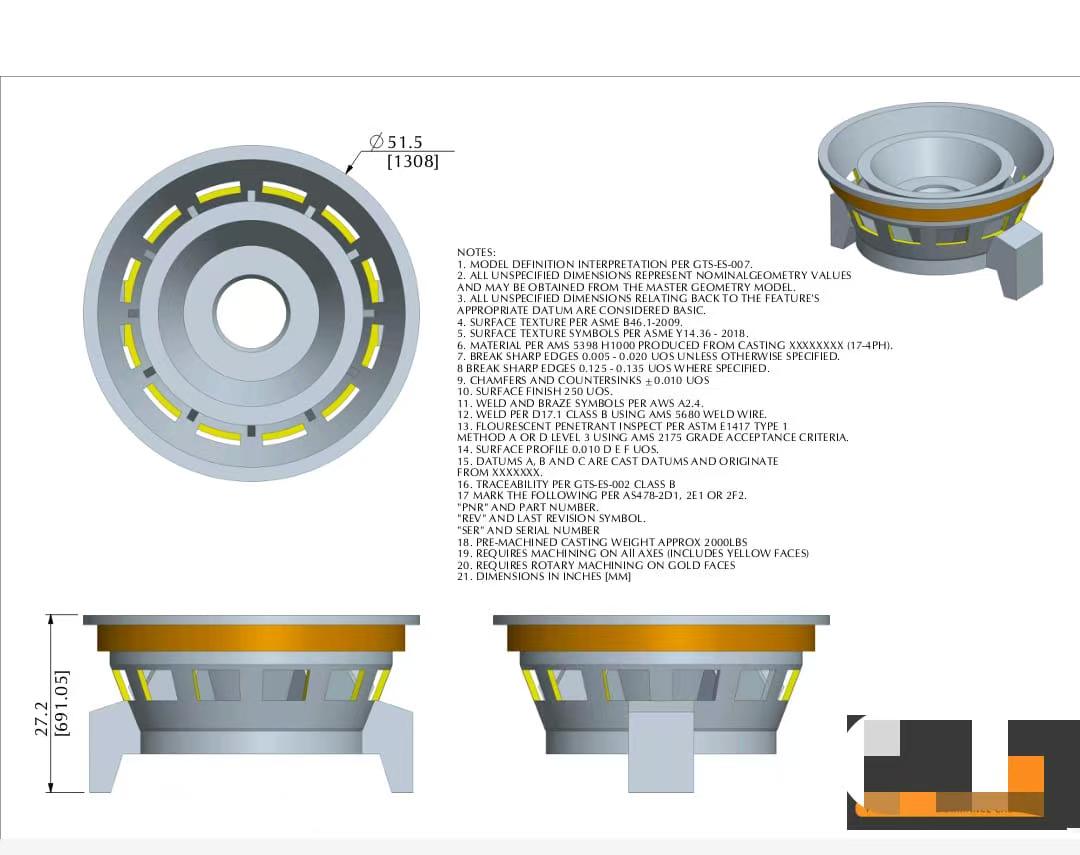
    17-4 PH stainless steel is a precipitation-hardening martensitic stainless steel widely used in high-strength and corrosion-resistant applications. This article introduces its chemical composition, mechanical properties, corrosion resistance, and a real industrial case from TangShan Polarislink Advanced Materials Technology Co.,Ltd. It helps engineers and buyers understand why 17-4PH is an ideal choice for demanding environments.
    Read More
  • Geological Drilling Tools for Mining & Water Well | HQ PQ NQ BQ Diamond Core Bits & Drill Rods
    Geological Drilling Tools for Mining & Water Well | HQ PQ NQ BQ Diamond Core Bits & Drill Rods
    Apr 24, 2026
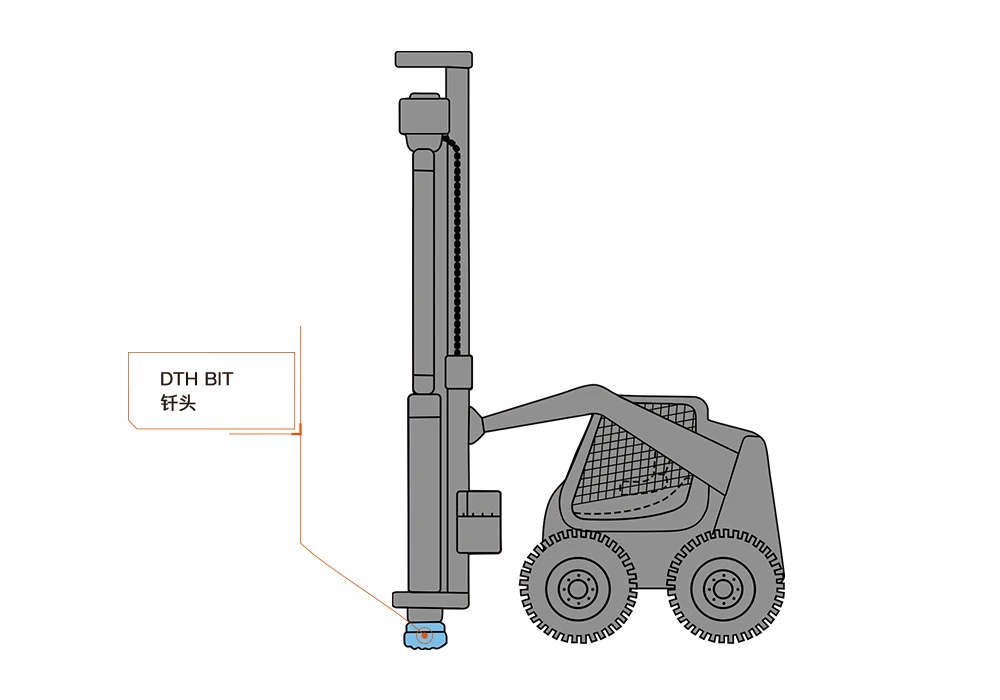
    This article introduces geological drilling tools used in mining exploration and water well drilling, including HQ, PQ, NQ, and BQ series diamond core bits and drill rods. It explains how impregnated diamond bits improve drilling efficiency in hard rock formations and how high-quality drill rods ensure stable performance in deep drilling projects. TangShan Polarislink Advanced Materials Technology Co.,Ltd provides reliable drilling tools with strict quality control to support global drilling operations.
    Read More
  • HPGR Roller Shell (Roller Tyre) for Cement & Mining | Polarislink
    HPGR Roller Shell (Roller Tyre) for Cement & Mining | Polarislink
    Apr 21, 2026
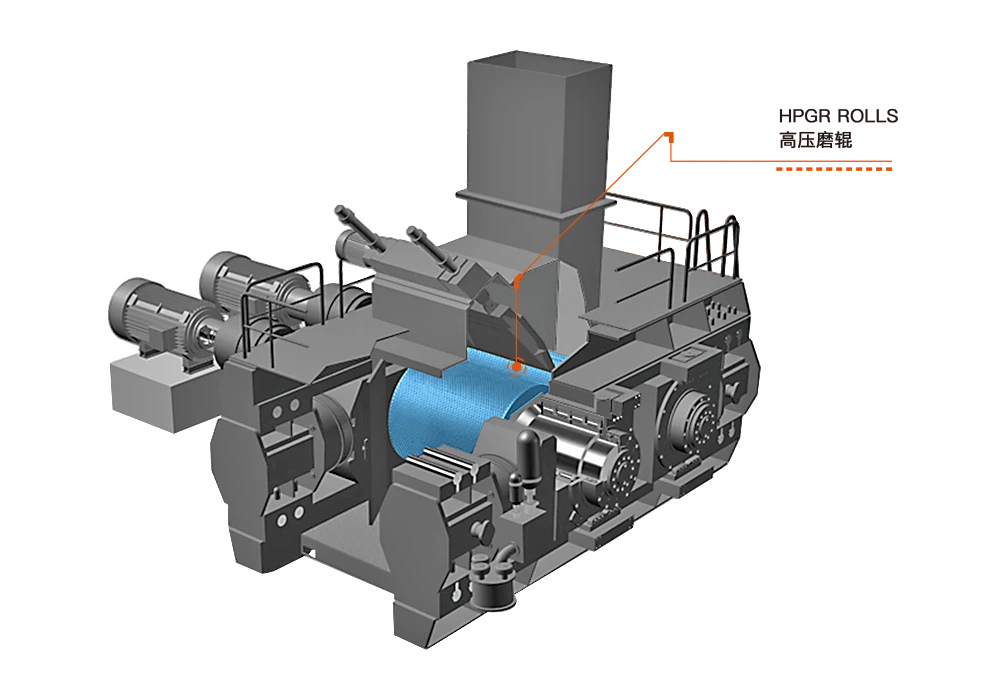
    HPGR roller shell (roller tyre) is a key wear part used in cement and mining grinding systems. It directly affects grinding efficiency, stability and service life. TangShan Polarislink Advanced Materials Technology Co.,Ltd. supplies high quality Mn13 and Mn18Cr2 roller shells for HPGR and roller press. More details: www.polarislink.net
    Read More
  • Scrap Metal Shredder Hammer Wear Parts for Recycling and Mining Applications
    Scrap Metal Shredder Hammer Wear Parts for Recycling and Mining Applications
    Apr 23, 2026
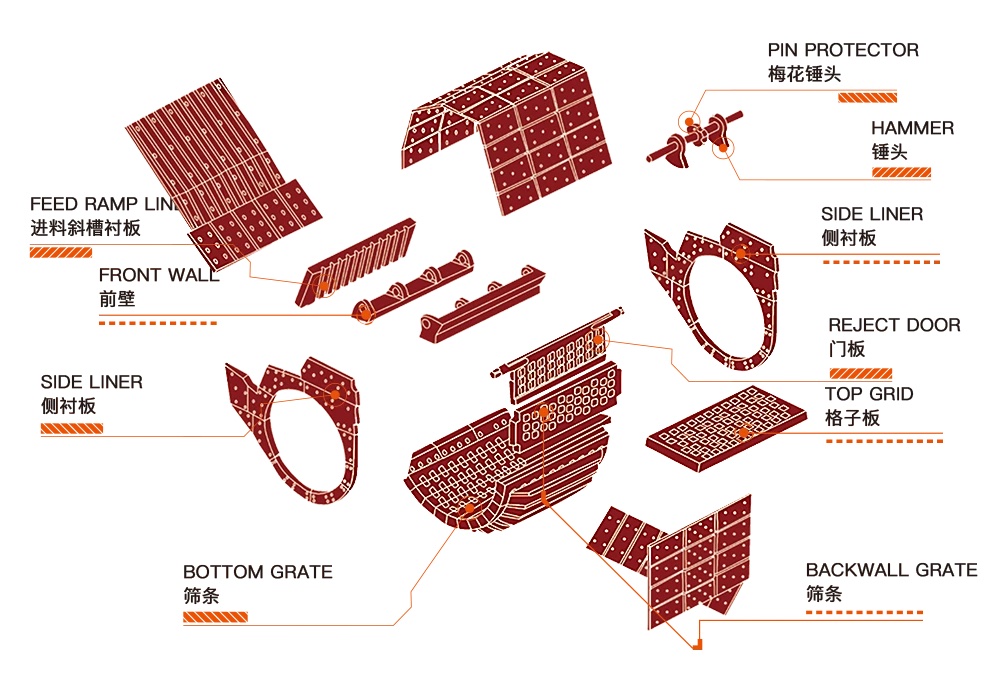
    This article introduces key wear parts used in scrap metal shredders and mining hammer crushers, including shredder hammers, top grids, grates, feed ramp liners and pin protectors. It explains how high manganese steel and strict quality control improve wear resistance, extend service life and ensure stable operation in high impact working conditions.
    Read More
  • 1380 Impact Crusher Blow Bars High Chrome Solution for Kazakhstan Quarry
    1380 Impact Crusher Blow Bars High Chrome Solution for Kazakhstan Quarry
    Apr 22, 2026
    This article explains how 1380 impact crusher blow bars perform under real quarry conditions in Kazakhstan. It focuses on high chrome blow bars used for crushing hard materials such as granite basalt and quartz. The article also analyzes common on site problems including uneven wear breakage and loose fitting and explains how material selection structural design and operation adjustments can improve service life reduce downtime and stabilize production.
    Read More
  • Russia Quarry Project Custom Mantle and Concave for KSD KMD 2200 Cone Crusher
    Russia Quarry Project Custom Mantle and Concave for KSD KMD 2200 Cone Crusher
    Apr 22, 2026
    This article introduces a real quarry project in Russia using KSD KMD 2200 cone crushers. It focuses on mantle and concave liners made from Mn18Cr2 high manganese steel and explains how material, casting process, heat treatment and inspection affect service life under granite crushing conditions. It also shows how to evaluate cone crusher wear parts based on real inspection data.
    Read More
  • Ball Mill Liners Case Study Supporting Stable Grinding Production in Dakar Senegal
    Ball Mill Liners Case Study Supporting Stable Grinding Production in Dakar Senegal
    Apr 22, 2026
    This case study introduces a ball mill liner project for a mining site near Dakar Senegal. It explains how liner material selection and lifter bar design directly affect grinding efficiency stability and service life under high abrasion conditions. The article also shows how customized solutions help reduce downtime improve product consistency and lower maintenance costs in real mining operations.
    Read More
  • Gyratory Crusher Parts: Mantle, Concave, Spider Cap & Spider Shield – High Manganese Steel Solutions
    Gyratory Crusher Parts: Mantle, Concave, Spider Cap & Spider Shield – High Manganese Steel Solutions
    Apr 22, 2026
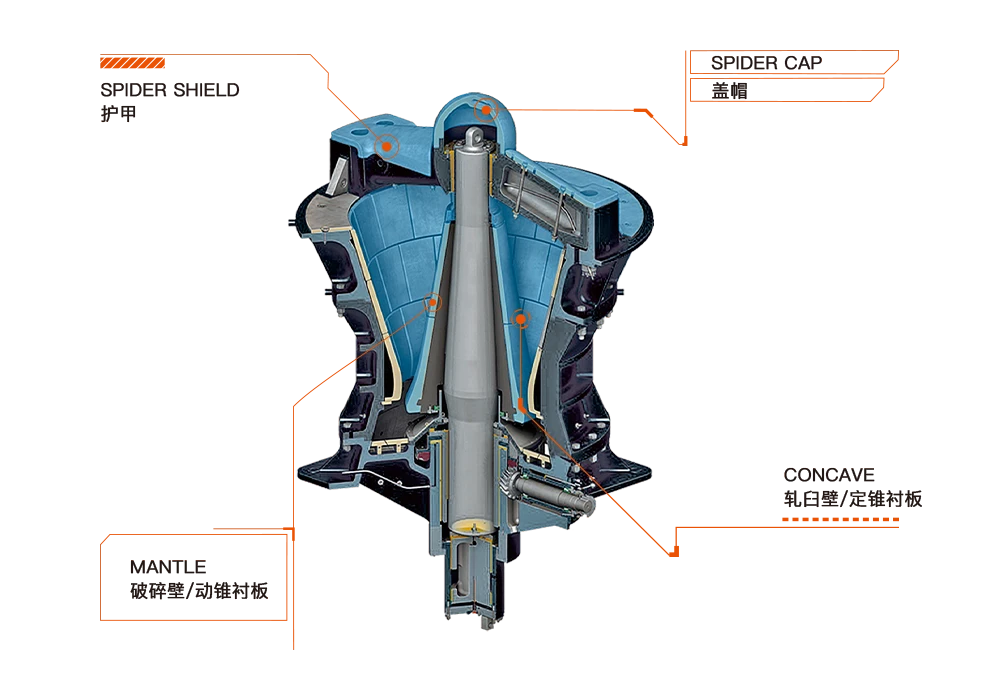
    Professional supplier of gyratory crusher parts including mantle, concave, spider cap and spider shield. Manufactured with high manganese steel (Mn13Cr2, Mn18Cr2, Mn22Cr2) for superior wear resistance and longer service life. Compatible with Metso, Sandvik, Symons and other crushers. Reduce downtime, improve crushing efficiency and lower maintenance cost in mining operations.
    Read More
  • Jaw Plate China for PE400×900 and CMD109 Crushers: Improve Wear Life and Reduce Downtime
    Jaw Plate China for PE400×900 and CMD109 Crushers: Improve Wear Life and Reduce Downtime
    Apr 22, 2026
    Jaw plate wear is one of the most common and costly problems in mining and aggregate crushing operations. Many users of PE400×900 and CMD109 jaw crushers face issues such as rapid wear, cracking under impact, and frequent replacement, especially when processing high hardness materials like granite, basalt, and iron ore or working in low temperature environments. This article focuses on jaw plate China solutions and explains in a practical way why these problems happen and how to solve them. It goes deeper into key factors such as material selection between Mn13 and Mn18, alloy optimization for different working conditions, heat treatment methods that affect hardness and toughness, and how tooth profile design influences crushing efficiency and wear distribution. It also explains when jaw plate replacement is necessary and how incorrect timing can increase downtime and maintenance costs. A real application case from Russia is included to show how customized jaw plates can significantly improve service life, reduce cracking in cold environments, and lower overall operating costs. By combining real working conditions with technical adjustments, this article shows why customized jaw plate China products perform better than standard solutions. It provides useful reference for buyers, maintenance teams, and operators who want to improve crusher performance, extend wear life, and reduce long-term costs in mining and quarry operations. TangShan Polarislink Advanced Materials Technology Co.,Ltd. provides durable and customized jaw plate solutions for global customers. More information is available at www.polarislink.net.
    Read More
  • Optimization of Wear Resistance for the Fixed Method of Impact Crushers' Hammer Plates
    Optimization of Wear Resistance for the Fixed Method of Impact Crushers' Hammer Plates
    Aug 03, 2026
    The method used to secure blow bars to the rotor of an impact crusher plays a significant role in overall component service life and crushing performance, as even the most durable wear material can fail prematurely if the mounting system allows excessive movement, vibration, or uneven load distribution.
    Read More
  • Impact crusher's high-hardness stone plate hammers are suitable for use
    Impact crusher's high-hardness stone plate hammers are suitable for use
    Jul 31, 2026
    Crushing high hardness rock types like granite, basalt, and quartzite places extreme demands on the blow bars in an impact crusher, as these materials deliver constant, high energy impact forces that quickly wear down standard components. The right blow bar for this application needs to withstand not just surface abrasion, but also the repeated shock loading that comes from breaking dense, hard rock along its natural fracture lines.
    Read More
  • Protection of wear-resistant components against adhesion of wet materials in impact crushers
    Protection of wear-resistant components against adhesion of wet materials in impact crushers
    Jul 30, 2026
    Processing damp or wet feed material in impact crushers creates a distinct set of operational challenges that standard dry crushing routines are not designed to handle, as moisture causes fine particles to stick and pack onto wear part surfaces, crushing chamber walls, and internal flow paths.
    Read More
  • Reversible crusher adjusts the wear plates to control the size of the discharged material.
    Reversible crusher adjusts the wear plates to control the size of the discharged material.
    Jul 29, 2026
    Fine tuning the final product size in an impact crusher often involves more than just adjusting the primary apron gap setting, as the position and condition of the internal impact aprons and side liners play a critical role in controlling how long material stays inside the crushing chamber.
    Read More
  • Counter-rotating crusher wear parts reduce powder loss
    Counter-rotating crusher wear parts reduce powder loss
    Jul 28, 2026
    Wear part selection and maintenance practices in impact crushers directly influence the amount of fine, unwanted dust and powder generated during normal crushing operations, a common issue that lowers overall yield and adds extra cost for dust suppression and material handling.
    Read More
  • Machining of the rotor end disc for counter-rotating crushers to enhance wear resistance
    Machining of the rotor end disc for counter-rotating crushers to enhance wear resistance
    Jul 27, 2026
    Rotor end disc protection in impact crushers is a critical maintenance focus that directly influences the long term operational stability and total service life of the entire crushing assembly.
    Read More
  • The wear-resistant side plates of the impact crusher are suitable for the application.
    The wear-resistant side plates of the impact crusher are suitable for the application.
    Jul 26, 2026
    Side liner selection and installation in impact crushers is a critical but often overlooked process that directly influences crushing chamber geometry, overall equipment stability, and total wear part service life in hard rock and recycling applications.
    Read More
  • Selection of impact crusher basalt crushing plates and hammers
    Selection of impact crusher basalt crushing plates and hammers
    Jul 24, 2026
    Selecting the right blow bar for basalt crushing in an impact crusher is one of the most impactful decisions for operations running high throughput hard rock processing, as basalt’s unique combination of high hardness, sharp angular structure, and extreme abrasiveness creates far harsher wear conditions than most other natural rock types.
    Read More
  • Counter-rotating crusher limestone crushing wear-resistant parts
    Counter-rotating crusher limestone crushing wear-resistant parts
    Jul 22, 2026
    Limestone crushing in impact crusher circuits creates a unique set of wear conditions that differ significantly from processing harder, more abrasive rock types like granite or basalt. The relatively soft but highly friable nature of limestone generates massive volumes of fine, sharp dust that circulates at high velocity through the crushing chamber, creating consistent scouring wear on every exposed component. This specific operating environment calls for targeted wear part design and maintenance practices that prioritize extended service life, stable crushing geometry, and minimal unplanned downtime for sites running high throughput limestone production.
    Read More
  • Counter-rotating crusher special plate hammer for construction waste
    Counter-rotating crusher special plate hammer for construction waste
    Jul 21, 2026
    Blow bars purpose-built for construction and demolition waste processing are engineered to handle the unique, highly variable operating conditions that come with recycling mixed building debris. Unlike standard blow bars designed for uniform natural stone feed, these components are built to stand up to the unpredictable mix of materials found in construction waste, from reinforced concrete chunks and crushed brick to embedded metal fragments and abrasive asphalt residue. This targeted design addresses the specific failure modes that often cut short the service life of general purpose blow bars in dedicated C&D recycling operations.
    Read More
  • Characteristics of alloy composite plate hammers in impact crushers
    Characteristics of alloy composite plate hammers in impact crushers
    Jul 20, 2026
    Alloy composite blow bars are engineered to balance conflicting performance demands that traditional single material components often struggle to meet in heavy duty impact crushing operations. They combine the high hardness needed to resist abrasive wear with the structural toughness required to absorb repeated high impact loads, making them a practical choice for sites that process mixed feed materials with varying levels of hardness and particle size. This design structure addresses the common tradeoff that forces operations to choose between long wear life and resistance to unexpected cracking during high stress crushing cycles.
    Read More
  • Advantages of high-chromium plate hammers in impact crushers for wear resistance
    Advantages of high-chromium plate hammers in impact crushers for wear resistance
    Jul 19, 2026
    High chromium blow bars are widely used in secondary and tertiary impact crushing operations, especially for processing highly abrasive materials like recycled asphalt, granite, and hard natural stone. Their unique material structure delivers a set of performance traits that directly address the most common pain points in heavy duty crushing, from rapid surface wear to unexpected loss of sharp impact edges during long continuous production runs. These components are engineered to maintain consistent working performance even under constant high velocity impact from sharp, hard rock particles, making them a reliable choice for operations that run at high throughput for extended hours every day.
    Read More
  • Techniques for Reversing the Plate Hammers of Impact Crushers
    Techniques for Reversing the Plate Hammers of Impact Crushers
    Jul 16, 2026
    Flipping blow bars on an impact crusher is a practical, field-proven operational practice that helps extend the usable service life of these critical wear components, while keeping crushing performance stable across long production runs. When executed correctly, this process evens out uneven wear patterns that naturally form on the working face of the blow bar after processing large volumes of hard, abrasive rock. It also helps maintain consistent impact force and proper crushing cavity geometry, avoiding the gradual drop in output quality that often happens as one side of the blow bar wears down unevenly over time.
    Read More
  • Batch replacement of cone crusher liners is suitable for the application.
    Batch replacement of cone crusher liners is suitable for the application.
    Jul 15, 2026
    Bulk liner replacement for cone crushers is a structured operational process that directly impacts overall crushing circuit uptime, production consistency, and long term equipment health in aggregate, mining, and quarrying operations. Unlike single piece replacement that often leads to uneven crushing chamber geometry and inconsistent output quality, a properly planned bulk replacement sequence ensures every liner component works in full alignment with the crusher’s original design specifications.
    Read More
  • Batch replacement of cone crusher liners is suitable for the application.
    Batch replacement of cone crusher liners is suitable for the application.
    Jul 15, 2026
    Bulk liner replacement for cone crushers is a structured operational process that directly impacts overall crushing circuit uptime, production consistency, and long term equipment health in aggregate, mining, and quarrying operations. Unlike single piece replacement that often leads to uneven crushing chamber geometry and inconsistent output quality, a properly planned bulk replacement sequence ensures every liner component works in full alignment with the crusher’s original design specifications.
    Read More
  • Dry protection for wear-resistant parts of cone crushers
    Dry protection for wear-resistant parts of cone crushers
    Jul 14, 2026
    Dry crushing operations for cone crushers put extreme stress on every component that comes into direct contact with hard, abrasive rock, and even the most robust base materials can wear down far faster than expected without targeted protection. The goal of effective wear part protection in dry crushing settings is not just to extend service life, but to maintain consistent crushing efficiency, reduce unplanned downtime, and keep particle output quality stable across thousands of operating hours.
    Read More
  • Selection of Wear-resistant Components for Wet Crushing of Cone Crushers
    Selection of Wear-resistant Components for Wet Crushing of Cone Crushers
    Jul 13, 2026
    Wet crushing operations for cone crushers present unique wear challenges that differ significantly from standard dry processing environments, as constant moisture, slurry flow and fine particle abrasion accelerate material loss on all contact surfaces. Selecting the right wear components for these conditions directly impacts equipment uptime, crushing consistency and overall operational cost efficiency over long production runs.
    Read More
  • High-hardness mineral ore wear-resistant configuration for cone crushers
    High-hardness mineral ore wear-resistant configuration for cone crushers
    Jul 10, 2026
    High hardness ore processing puts extreme stress on every component of a cone crusher, and choosing the right wear-resistant setup directly cuts unplanned downtime and extends service life in long-term operations.
    Read More
  • Milling machine for cones - Ore segregation - Wear of wear-resistant parts
    Milling machine for cones - Ore segregation - Wear of wear-resistant parts
    Jul 09, 2026
    When processing hard rock and mineral ores in crushing circuits, uneven material distribution inside the cone crushing chamber often creates unexpected wear patterns that shorten the service life of critical components. This uneven spread of feed material, commonly referred to as segregation, pushes certain areas of the crushing liners to absorb far more impact and friction than the original equipment design intended.
    Read More
  • Conical crusher thrust bearing wear-resistant liner
    Conical crusher thrust bearing wear-resistant liner
    Jul 08, 2026
    When it comes to the long-term stable operation of cone crushers, the friction and wear between the main shaft and the supporting base often become the core factors that restrict the overall equipment uptime. In the harsh working environment filled with crushed ore dust, continuous high-load rotation and frequent impact loads will gradually cause irreversible damage to the contact surfaces of key components, leading to increased equipment vibration, unstable rotation accuracy, and even unexpected shutdowns that delay the entire production schedule.
    Read More
  • The function of the wear-resistant accessories of the locking ring of the cone crusher
    The function of the wear-resistant accessories of the locking ring of the cone crusher
    Jul 07, 2026
    If you operate a cone crusher in mining or aggregate production lines, you might have noticed that small, seemingly unnoticeable components often play a far bigger role in stable operation than many people expect. The locking ring, one of the key wear-resistant accessories in the crushing chamber system, directly influences the fit of all surrounding parts and the overall service life of your equipment. Even if you keep up with regular maintenance schedules, ignoring the working state of this part can lead to unexpected downtime that costs you hours of production time.
    Read More
  • Maintenance of dust-proof sealing and wear-resistant parts for cone crushers
    Maintenance of dust-proof sealing and wear-resistant parts for cone crushers
    Jul 06, 2026
    Cone crusher dust seal wear parts are critical components that keep fine dust and abrasive particles from entering the internal crushing chamber, which directly prevents premature damage to main moving parts during long hours of heavy operation. Even small gaps in these seals can let rock dust sneak into lubrication systems, leading to unexpected shutdowns that waste hours of production time on site.
    Read More
  • Prediction of wear on the wear-resistant liners of cone crushers
    Prediction of wear on the wear-resistant liners of cone crushers
    Jul 03, 2026
    Predicting the wear of wear-resistant liners in cone crushers is a critical task for operations that rely on consistent crushing performance across mining, quarrying, and aggregate processing sites. Unplanned liner failures can halt entire production lines, create safety risks for on-site teams, and lead to extended downtime that erodes long-term operational efficiency. By focusing on proactive wear forecasting rather than reactive replacement, teams can align maintenance schedules with existing production workflows and avoid unexpected disruptions that impact overall output.
    Read More
  • Standard for Installation Gap of Cone Crusher Liners
    Standard for Installation Gap of Cone Crusher Liners
    Jul 02, 2026
    When installing cone crusher liners, the gap between moving parts and fixed components directly affects the equipment’s crushing efficiency, service life and operational stability. Even a tiny misalignment in gap settings can lead to uneven wear, frequent unexpected shutdowns and extra maintenance workload that could have been completely avoided.
    Read More
  • The method for preventing edge breakage of cone crusher liners
    The method for preventing edge breakage of cone crusher liners
    Jul 01, 2026
    Edge chipping is the most common and most expensive form of liner failure in cone crushers. A small chip at the top or bottom of the mantle or concave seems harmless until it propagates into a crack that runs the full length of the liner. Then you are looking at an emergency shutdown, a damaged cone body, and a repair bill that dwarfs the cost of the liner itself.
    Read More
  • The principle of laminated crushing and wear-resistant parts for cone crushers
    The principle of laminated crushing and wear-resistant parts for cone crushers
    Jun 30, 2026
    Most operators think cone crusher wear parts fail because rocks smash into them. That is only half the story. The real action — the action that determines whether your mantles and concaves last three weeks or three months — happens between the rocks themselves. This is laminating crushing, and it changes everything about how wear parts behave, how they fail, and how long they survive.
    Read More
  • Conical crusher - Ore containing sand - Wear-resistant parts compatibility
    Conical crusher - Ore containing sand - Wear-resistant parts compatibility
    Jun 29, 2026
    Sandy ore is the silent killer of cone crusher wear parts. The ore itself might not be hard — quartzite and granite will destroy a mantle in weeks — but sandy material is different. It is not the impact that kills the liner. It is the grinding. Millions of tiny silica particles slide across the mantle and concave surfaces every hour, wearing them down like sandpaper on wood. Operators who treat sandy ore the same way they treat hard rock end up changing liners every ten days and wondering why the bills keep climbing.
    Read More
  • Differences between wear-resistant liners in the fine crushing chamber of cone crushers
    Differences between wear-resistant liners in the fine crushing chamber of cone crushers
    Jun 26, 2026
    Most operators treat every cone crusher liner as interchangeable. That is a costly mistake. The liner sitting inside a fine crushing chamber — the short-head cavity — faces a completely different set of forces than the liner in a standard or medium cavity. The wear pattern, the material demands, the geometry, and even the replacement frequency all shift dramatically when you move from medium crushing to fine crushing. Understanding these differences is not academic. It is the difference between changing liners every fifteen days and stretching that interval to something manageable.
    Read More
  • Characteristics of the wear-resistant liners in the crushing chamber of the cone crusher
    Characteristics of the wear-resistant liners in the crushing chamber of the cone crusher
    Jun 25, 2026
    Most operators lump all cone crusher liners into one bucket. They order whatever fits, bolt it on, and wonder why throughput drops after a few weeks. The medium crushing chamber liner is not a scaled-down version of the coarse liner, nor is it a beefed-up fine liner. It sits in a narrow operational window between the two, and its wear characteristics reflect that. Get the medium cavity wrong and you choke the fine fraction, spike power draw, and burn through liners faster than the machine can handle.
    Read More
  • Selection of wear-resistant liners for the coarse crushing chamber of the cone crusher
    Selection of wear-resistant liners for the coarse crushing chamber of the cone crusher
    Jun 24, 2026
    The coarse crushing cavity is where the real punishment happens. Ore drops from the hopper, slams into the mantle, and gets crushed between the mantle and the concave at the highest force the machine can generate. That means the liners in this zone see the heaviest impact, the fastest wear, and the most violent loading cycles of any surface inside the crusher.
    Read More
  • Techniques for Selecting Cone Plate Models for Cone Crushers
    Techniques for Selecting Cone Plate Models for Cone Crushers
    Jun 23, 2026
    Getting the mantle liner wrong is the fastest way to burn through your budget. The wrong cavity profile kills throughput. The wrong material cracks under impact. The wrong length spikes your power bill. Most operations treat liner selection as a guess — grab whatever fits, bolt it on, and pray. That approach turns a routine changeout into an emergency shutdown within weeks.
    Read More
  • Modification of thickening and wear-resistant treatment for the fixed cone liner of the cone crusher
    Modification of thickening and wear-resistant treatment for the fixed cone liner of the cone crusher
    Jun 22, 2026
    Every operation that runs a cone crusher eventually hits the same wall: the fixed cone liner wears thin, the cavity shape distorts, and throughput drops. The most common reaction is to swap in a thicker liner and hope for the best. That approach works — until it doesn't.
    Read More
  • The wear and tear pattern of the eccentric bushing in a cone crusher
    The wear and tear pattern of the eccentric bushing in a cone crusher
    Jun 18, 2026
    Most operators check the eccentric bushing when it screams for help — oil temperature spiking, metal shavings in the filter, or worse, a complete seizure. By then, the damage has already cascaded through the straight bushing, the frame bore, and the pinion gear. Understanding how this component wears — not just that it wears — is the difference between planned maintenance and emergency shutdown.
    Read More
  • The wear-resistant function of the frame bushing of the cone crusher
    The wear-resistant function of the frame bushing of the cone crusher
    Jun 17, 2026
    Most operators fixate on mantles and concaves when talking about wear parts. Nobody gets excited about a frame bushing sitting quietly between the machine frame and the eccentric sleeve. That is exactly why it matters so much. When this copper sleeve does its job right, the entire crusher runs longer, cooler, and with far fewer catastrophic failures. When it fails, the damage cascades fast — cracked bushings shred the frame bore, debris cuts the eccentric sleeve, and suddenly you are looking at a week of downtime instead of a routine changeout.
    Read More
  • Mantle protection method for the material distribution plate of the cone crusher
    Mantle protection method for the material distribution plate of the cone crusher
    Jun 16, 2026
    The distribution plate (also called feed plate or feeder plate) sits right in the firing line of a cone crusher. Every piece of ore slams into it before entering the crushing chamber. Over time, that constant barrage turns even the toughest steel into a worn-out mess. Protecting this component isn't optional — it's the difference between smooth production and costly downtime.
    Read More
  • The cavity type of the cone crusher liner and its wear resistance compatibility
    The cavity type of the cone crusher liner and its wear resistance compatibility
    Jun 15, 2026
    Most operators pick a liner based on one thing — how long it lasts. But longevity is not just about the material. It is about whether the cavity profile matches the wear characteristics of the liner. A high-chrome mantle in a steep cavity will still fail fast if the geometry is wrong. A manganese bowl liner in a flat cavity will wear unevenly no matter how tough the alloy is.
    Read More
  • Movable jaw crusher specialized wear-resistant parts for crushing hard rocks
    Movable jaw crusher specialized wear-resistant parts for crushing hard rocks
    Jun 12, 2026
    Crushing granite, basalt, quartzite, or gneiss is a completely different game from processing limestone or sandstone. The rock is harder, more abrasive, and it fights back every second the jaws are closed. Standard wear parts that handle soft aggregate just fine will get chewed through in weeks when you throw hard rock at them.
    Read More
  • Pre-maintenance protection for wear-resistant parts of jaw crushers
    Pre-maintenance protection for wear-resistant parts of jaw crushers
    Jun 11, 2026
    Every hour a jaw crusher runs, its wear parts take a beating. The fixed and movable jaw dies grind against rock, the toggle plates absorb shock loads, and the side plates weather constant abrasion. Without a solid pre-wear protection strategy, operators end up chasing frequent replacements, unplanned downtime, and spiraling maintenance costs.
    Read More
  • The surface patterns of the teeth plates of the jaw crusher serve a certain function.
    The surface patterns of the teeth plates of the jaw crusher serve a certain function.
    Jun 10, 2026
    Most operators look at the material of a tooth plate and stop there. Manganese steel, high chromium iron, carbide inlays — that's what gets discussed. But the surface texture? The grooves, ridges, and patterns machined or cast into the face of the plate? That gets ignored more often than it should. And it's a mistake. Surface texture directly controls how material grips, how it flows through the chamber, and how evenly the plate wears. A smooth plate and a textured plate made from the exact same alloy can have completely different service lives and completely different product quality.
    Read More
  • Selection of wear-resistant liners for the small chamber of jaw crushers
    Selection of wear-resistant liners for the small chamber of jaw crushers
    Jun 09, 2026
    Small chamber jaw crushers are a different beast entirely. The feed opening might be compact, the stroke is short, and the crushing action happens in a tight space where every millimeter counts. The liners in these machines wear faster than you'd expect — not because the material is harder, but because the geometry forces everything into a small zone where impact and abrasion collide constantly. Picking the wrong liner for a small cavity crusher doesn't just cost you money on replacements. It kills your throughput, ruins your product size, and puts stress on the frame that wasn't designed for it.
    Read More
  • Movable teeth plate for the large feed opening of the jaw crusher
    Movable teeth plate for the large feed opening of the jaw crusher
    Jun 08, 2026
    Big feed openings mean big problems. A jaw crusher with a 1200mm or wider intake is designed to swallow large boulders whole. That's the point. But those same large rocks hit the tooth plates with enormous force, and the wear pattern is completely different from what you see on smaller machines. The upper zone of the plate takes the worst punishment — high impact, heavy sliding abrasion, and constant thermal cycling from friction. Standard tooth plates that work fine on a 600mm crusher will be destroyed in weeks on a large feed opening machine.
    Read More
  • Compatible wear parts for the old model of jaw crushers
    Compatible wear parts for the old model of jaw crushers
    Jun 05, 2026
    Older jaw crushers don't die — they just get expensive to run. The frame is solid, the flywheel still spins, the toggle mechanism works fine. But the wear parts? Those are gone. And here's the frustrating part: finding replacements that actually fit is harder than it should be. Manufacturers stopped producing spare parts for legacy models years ago. Operators are left scrambling through aftermarket suppliers, reverse-engineering dimensions, or modifying new parts to force a fit. None of these options are ideal, but all of them are being done every day in quarries and recycling plants around the world.
    Read More
  • Control of the uniformity of tooth plate wear in jaw crushers
    Control of the uniformity of tooth plate wear in jaw crushers
    Jun 04, 2026
    Jaw crusher tooth plates are the workhorses of any crushing operation — and also the first things to give out. When wear concentrates in one zone instead of spreading evenly across the plate, you get premature failure, unexpected downtime, and a spike in operating costs. The real challenge isn't just making tooth plates last longer. It's making them wear evenly so every millimeter of material does useful work before replacement.
    Read More
  • Key points for replacing the wear-resistant moving jaw plates of a jaw crusher
    Key points for replacing the wear-resistant moving jaw plates of a jaw crusher
    Jun 03, 2026
    The moving jaw plate is a crucial component of a jaw crusher, directly interacting with the materials to be crushed. Due to the high-impact and abrasive nature of the crushing process, the moving jaw plate is subject to significant wear. Timely replacement of the moving jaw plate is essential to maintain the crushing efficiency, product quality, and overall performance of the jaw crusher.
    Read More
  • The wear-resistant specification of the fixed jaw plate of the jaw crusher
    The wear-resistant specification of the fixed jaw plate of the jaw crusher
    Jun 02, 2026
    The fixed jaw plate is a crucial component of a jaw crusher. It works in tandem with the movable jaw plate to form the crushing chamber. When the materials enter the crushing chamber, they are subjected to the squeezing and crushing forces exerted by the two jaw plates. The fixed jaw plate provides a stable surface for the materials to be crushed against, and its wear - resistance directly affects the overall performance and service life of the jaw crusher.
    Read More
  • The material differences between the integral and split types of wear-resistant parts for crushers
    The material differences between the integral and split types of wear-resistant parts for crushers
    Jun 01, 2026
    In the field of crushers, wear - resistant parts play a crucial role in ensuring the efficient and long - lasting operation of the equipment. Monolithic wear - resistant parts are those that are cast or manufactured as a single, continuous piece. On the other hand, segmented wear - resistant parts are composed of multiple individual components that are assembled together. Each type has its own set of characteristics and is suitable for different working conditions and material crushing requirements.
    Read More
  • Machining wear parts for crushers, construction waste crushing materials
    Machining wear parts for crushers, construction waste crushing materials
    May 30, 2026
    Construction waste mainly consists of solid materials such as soil, stones, concrete blocks, broken bricks, wood, metals, pipes, and electrical appliances. Inorganic materials like soil, stones, concrete blocks, and broken bricks account for over 90% of construction waste. These inorganic materials are characterized by their resistance to acid, alkali, water, and their stable chemical and physical properties, making them excellent renewable building materials. However, construction waste also contains some waste substances such as metals, bamboo, wood, various packaging materials, plastics, and glass, which can be recycled as renewable resources.
    Read More
  • Selection of wear-resistant parts for crushers and the material for crushing river pebbles
    Selection of wear-resistant parts for crushers and the material for crushing river pebbles
    May 29, 2026
    Pebbles, formed through geological processes such as tectonic movements and water erosion, are extremely hard materials. Their main chemical component is silicon dioxide, and they often contain small amounts of iron, manganese, and other elements. When crushed, pebbles exert high - impact and high - abrasion forces on the wear - resistant parts of crushers. This makes the selection of appropriate materials for these wear - resistant parts crucial for ensuring the efficient and long - lasting operation of the crushing equipment.
    Read More
  • Masonry wear-resistant parts for sand and gravel aggregates (special material)
    Masonry wear-resistant parts for sand and gravel aggregates (special material)
    May 28, 2026
    In the realm of sand and gravel aggregate production, crushers play a vital role in breaking down large rocks into smaller, usable particles. However, the wear - resistant parts of these crushers are constantly exposed to severe abrasion, impact, and corrosion, which can significantly reduce their service life. Selecting the right specialized materials for these wear - resistant parts is crucial for ensuring efficient and cost - effective operation.
    Read More
  • The welding alloy strengthening method for wear-resistant parts of crushers
    The welding alloy strengthening method for wear-resistant parts of crushers
    May 27, 2026
    When it comes to enhancing the durability and performance of wear-resistant parts in crushers, hardfacing alloys play a pivotal role. These specialized alloys are deposited onto the surface of components to improve their resistance to abrasion, impact, and corrosion. This article delves into several effective methods for strengthening hardfacing alloys on crusher wear parts.
    Read More
  • Techniques for Matching the Toughness and Hardness of Wear-resistant Parts for Crushers
    Techniques for Matching the Toughness and Hardness of Wear-resistant Parts for Crushers
    May 26, 2026
    When selecting materials for crusher wear parts, achieving the right balance between toughness and hardness is crucial. Toughness ensures the parts can absorb impact energy without cracking, while hardness provides resistance to abrasive wear. This balance directly impacts the durability, performance, and maintenance frequency of crushing equipment. Here are some essential tips for matching toughness and hardness in crusher wear parts.
    Read More
  • Selection method for impact-resistant materials of wear-resistant parts of crushers
    Selection method for impact-resistant materials of wear-resistant parts of crushers
    May 22, 2026
    When selecting materials for crusher wear parts that need to withstand high impact, it's crucial to consider factors such as material hardness, toughness, and adaptability to specific working conditions. The right choice can significantly enhance the durability and performance of crushing equipment, reducing downtime and maintenance costs.
    Read More
  • The dual-metal composite material characteristics of the wear-resistant parts for the crusher
    The dual-metal composite material characteristics of the wear-resistant parts for the crusher
    May 21, 2026
    Crusher wear parts are critical components in industrial crushing operations, where durability and performance directly impact efficiency and downtime. Among various materials, bimetal composite materials have emerged as a preferred choice due to their exceptional wear resistance and other advantageous properties. This article explores the key benefits of bimetal composite materials for crusher wear parts, highlighting their impact on different industrial sectors.
    Read More
  • Advantages of Alloy Cast Steel for Wear Resistance in Crusher Wear Parts
    Advantages of Alloy Cast Steel for Wear Resistance in Crusher Wear Parts
    May 20, 2026
    In the field of industrial crushing, the durability and performance of crusher wear parts are crucial for maintaining efficient operations and reducing downtime. Alloy cast steel has emerged as a preferred material for these components due to its exceptional wear resistance and other advantageous properties. This article delves into the key benefits of alloy cast steel in crusher wear parts, highlighting its impact on various industrial sectors.
    Read More
  • Techniques for Selecting the Tooth Shape of Jaw Crushers
    Techniques for Selecting the Tooth Shape of Jaw Crushers
    May 19, 2026
    Jaw crushers are essential equipment in the mining and construction industries, primarily used for crushing large rocks into smaller sizes.
    Read More
  • Masonry rock as the wear-resistant material for the crusher's accessories for crushing purposes
    Masonry rock as the wear-resistant material for the crusher's accessories for crushing purposes
    May 18, 2026
    Granite, with its high Mohs hardness (6-7) and abrasive quartz content, poses extreme challenges for crushing equipment. The selection of wear-resistant materials for crusher components directly impacts operational efficiency, maintenance costs, and production continuity. This article explores material solutions tailored for granite crushing applications across different crusher types.
    Read More
  • Machining wear-resistant parts - Special material requirements for mining applications
    Machining wear-resistant parts - Special material requirements for mining applications
    May 15, 2026
    In the mining industry, crushers are subjected to extreme conditions involving high-impact forces, abrasive materials, and corrosive environments. The selection of materials for wear-resistant parts is crucial to ensure the durability and performance of these machines. This article explores the key material requirements for wear-resistant parts of crushers in mining applications.
    Read More
  • The forging material of the wear-resistant parts of the crusher has excellent wear resistance.
    The forging material of the wear-resistant parts of the crusher has excellent wear resistance.
    May 14, 2026
    Crusher wear parts are subjected to extreme conditions involving high-impact forces, abrasive materials, and corrosive environments. The choice of material significantly influences the durability and performance of these components. Forged materials, known for their superior mechanical properties, have emerged as a preferred choice for manufacturing crusher wear parts. This article delves into the wear resistance characteristics of forged materials, highlighting their advantages in various crushing applications.
    Read More
  • The high hardness alloy composition of the crusher wear-resistant parts plays a role
    The high hardness alloy composition of the crusher wear-resistant parts plays a role
    May 13, 2026
    When selecting materials for crusher wear parts, high-hardness alloys are often preferred due to their superior wear resistance and durability. These alloys are engineered with specific compositions to optimize performance under extreme conditions. Understanding the role of each alloy component is crucial for designing wear parts that can withstand the rigors of crushing operations.
    Read More
  • Standard for matching wear-resistant materials of crusher wear parts for resisting wear
    Standard for matching wear-resistant materials of crusher wear parts for resisting wear
    May 12, 2026
    When selecting wear-resistant materials for crusher components, several key factors must be considered to ensure optimal performance and longevity. The choice of material depends on the specific application, the type of material being crushed, and the operating conditions. Below are the primary criteria for selecting wear-resistant materials for crusher components.
    Read More
  • Comparison of Durability of Ultra-Manganese Steel for Wear-resistant Parts of Crushers
    Comparison of Durability of Ultra-Manganese Steel for Wear-resistant Parts of Crushers
    May 11, 2026
    In the realm of industrial machinery, particularly crushers, the selection of wear-resistant materials is crucial for ensuring operational efficiency and longevity. Ultra-high manganese steel has emerged as a popular choice for crusher wear parts due to its unique combination of properties. This article delves into the durability comparison of ultra-high manganese steel against other materials, focusing on its performance in various crushing applications.
    Read More
  • High manganese steel wear-resistant parts for crushers applicable to various working conditions
    High manganese steel wear-resistant parts for crushers applicable to various working conditions
    May 09, 2026
    High-manganese steel is specifically engineered to thrive in environments where crushing forces are intense and impact loads are frequent. In mining operations, primary crushers often handle large-sized ores with high hardness. For instance, when processing iron ore or copper ore in open-pit mines, the feed size can be several hundred millimeters, and the crushing process involves significant impact forces. High-manganese steel wear parts, such as hammer heads and jaw plates, can withstand these extreme conditions.
    Read More
  • Characteristics of high-chromium cast iron for wear-resistant parts of crushers
    Characteristics of high-chromium cast iron for wear-resistant parts of crushers
    May 08, 2026
    In the realm of industrial machinery, particularly crushers, the selection of wear-resistant materials is paramount to ensuring operational efficiency and longevity. Among the myriad of options available, high-chromium cast iron stands out as a superior choice for crusher wear parts. This article delves into the unique properties of high-chromium cast iron that make it an ideal material for such applications.
    Read More