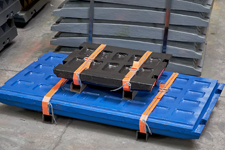
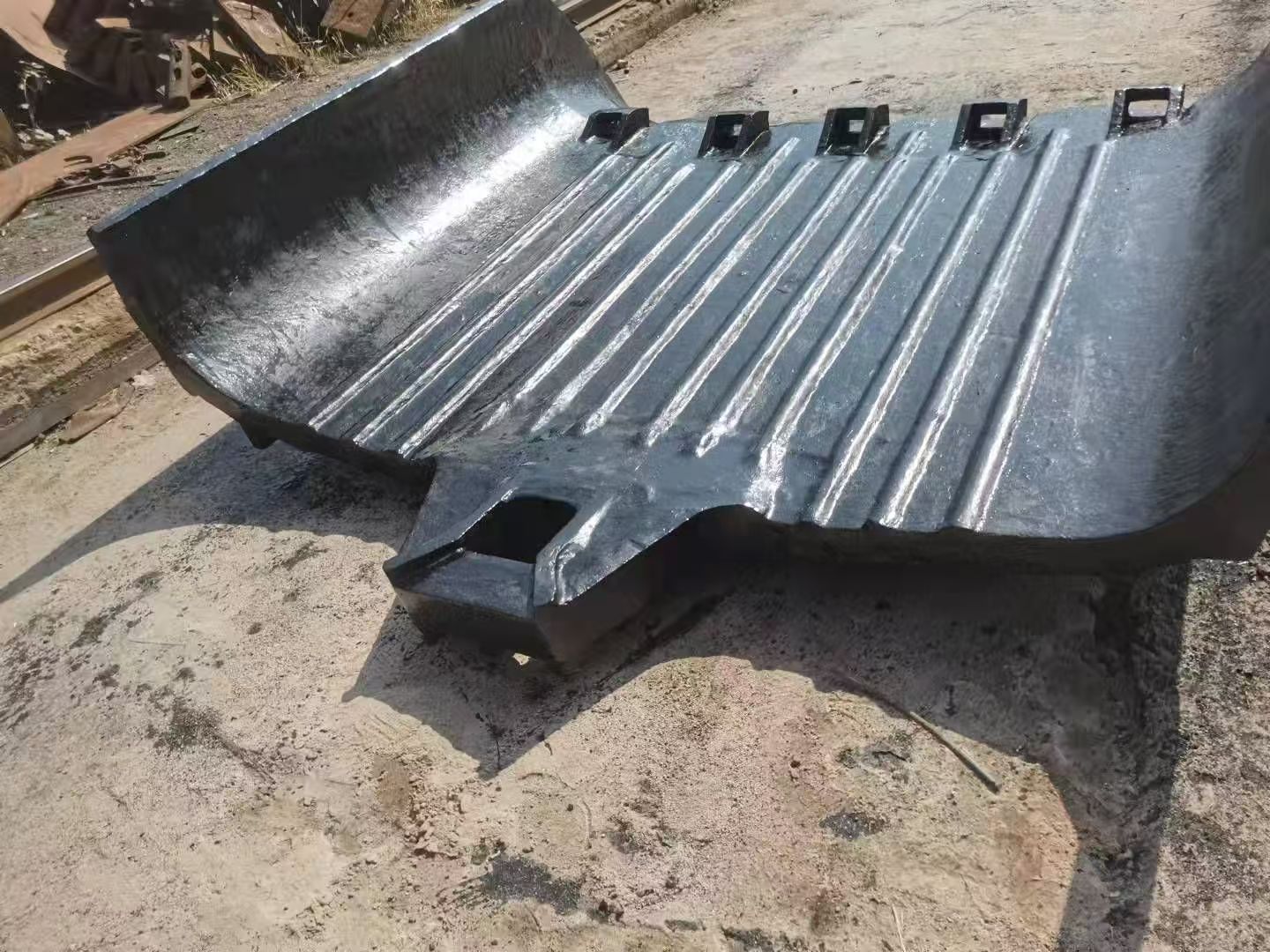
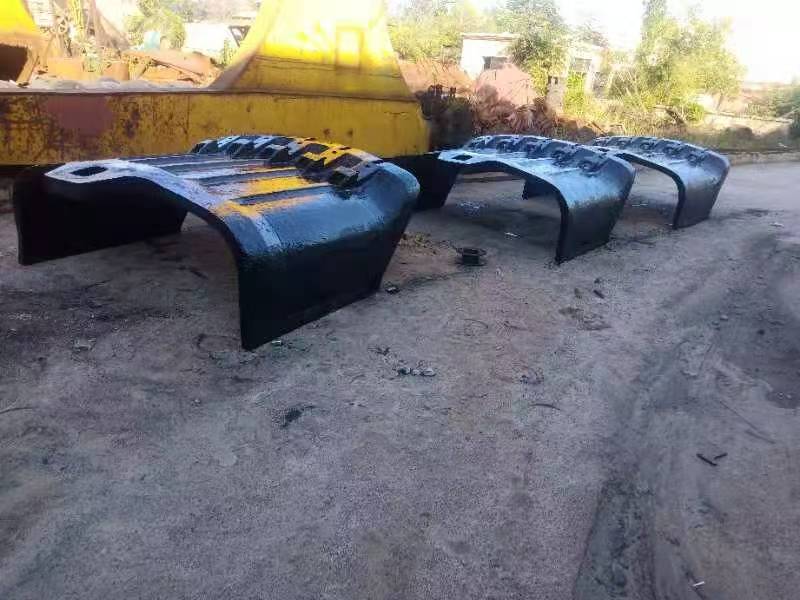
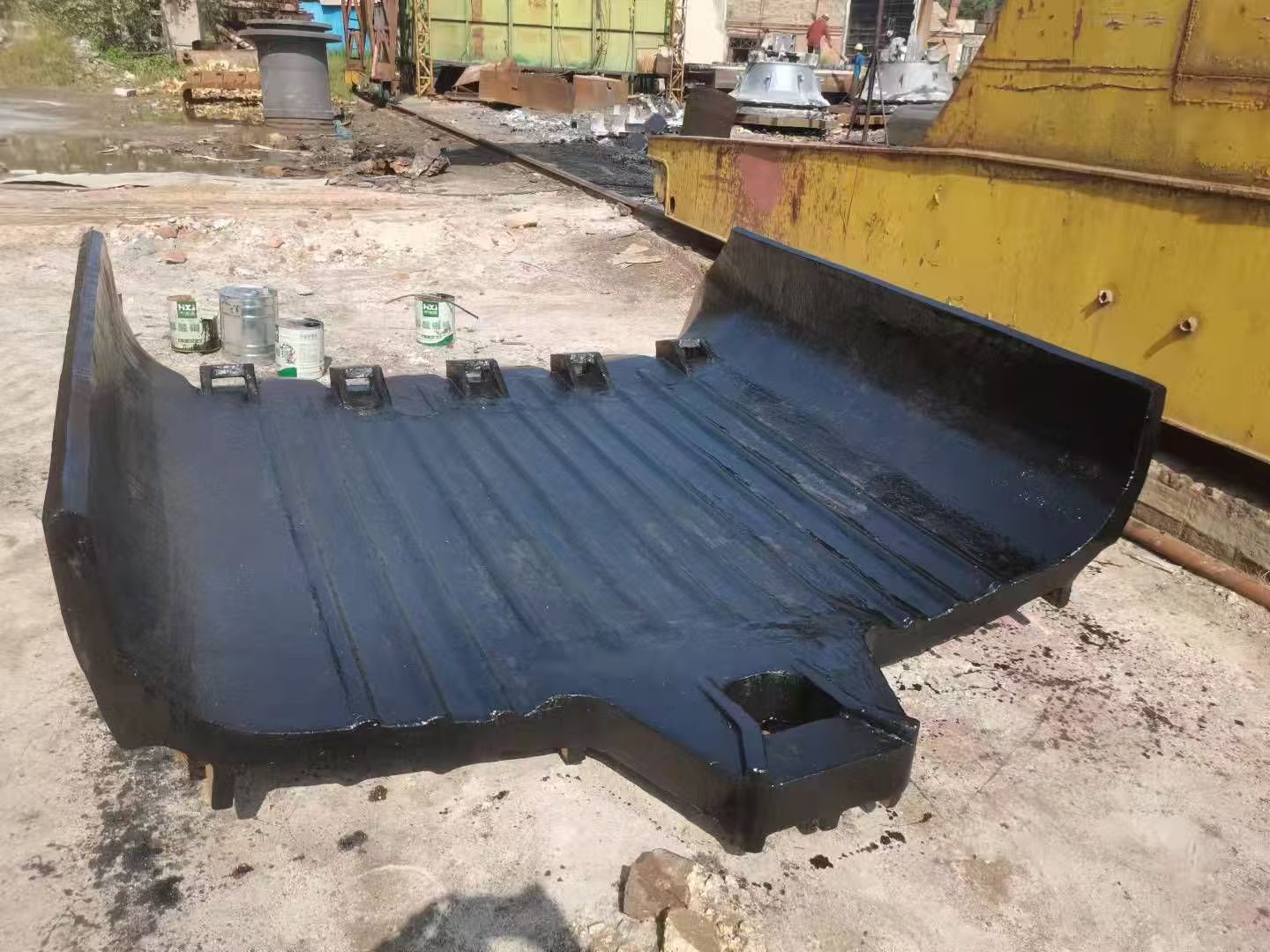
Heavy Duty Mn13 Cast Track Shoes, Bucket Arms and Bucket Bottom Plates for Mining Equipment
2026-05-09
Heavy Duty Mn13 Cast Track Shoes, Bucket Arms and Bucket Bottom Plates for Large Mining Equipment
In modern mining and heavy earthmoving industries, wear-resistant castings play a critical role in maintaining equipment stability, operating efficiency, and service life.
Large crawler systems and bucket structures are continuously exposed to extreme abrasion, heavy impact loads, and high-pressure working conditions. For this reason, heavy-duty wear components such as cast track shoes, bucket arms, and bucket bottom plates must be manufactured with materials capable of combining toughness, impact resistance, and wear resistance.
TangShan Polarislink Advanced Materials Technology Co.,Ltd. specializes in manufacturing high manganese steel wear-resistant castings for mining, quarry, and heavy industrial applications.
Our main products include:
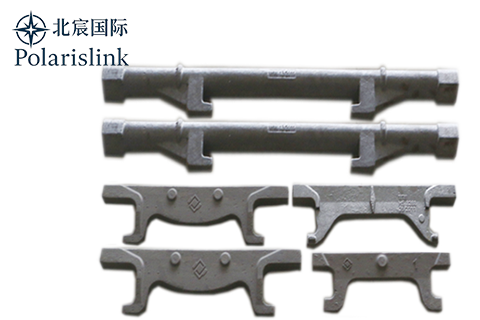
cast crawler track shoes,
bucket arms,
bucket bottom plates,
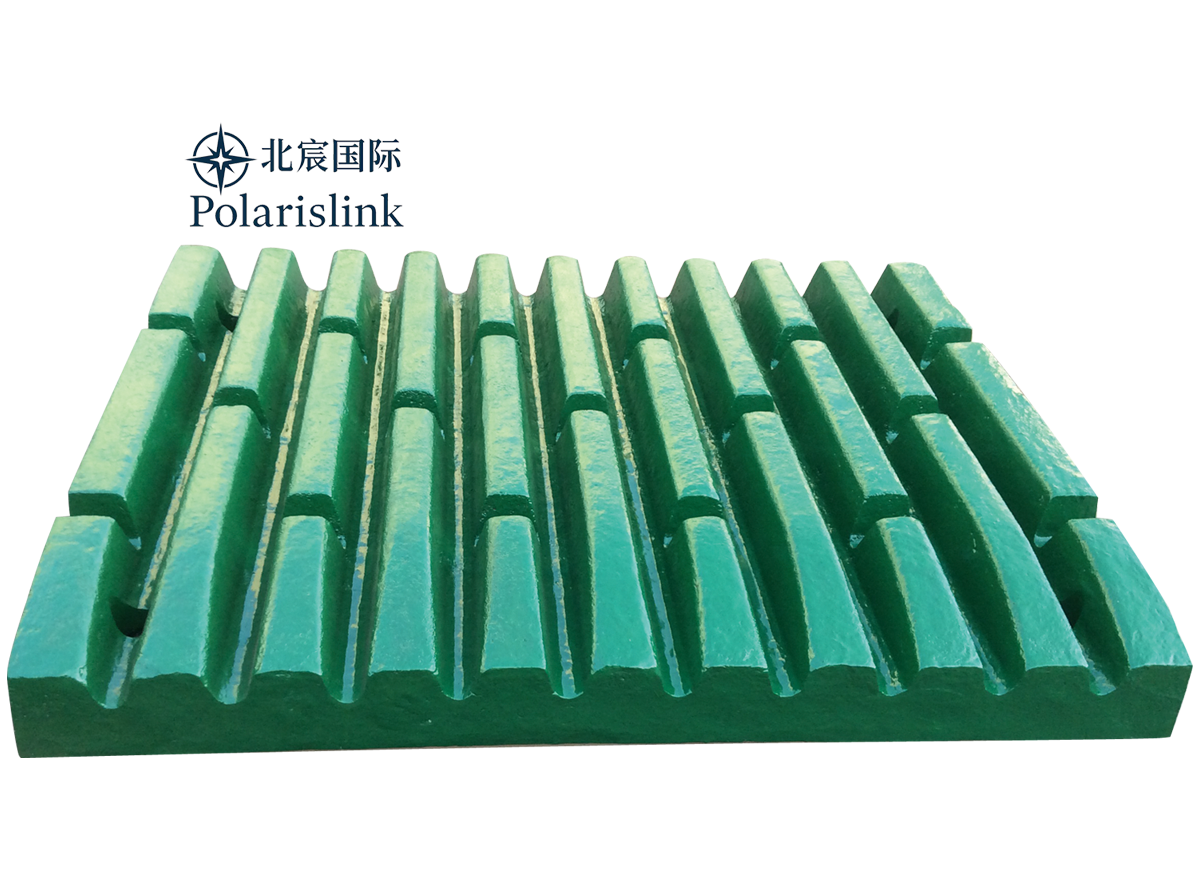
jaw crusher wear parts,
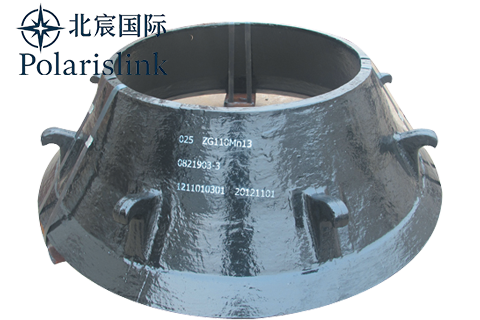
mantle and concave,
mill liners,
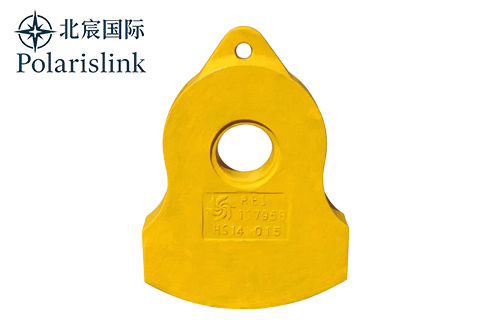
hammer heads,
and other customized heavy wear-resistant castings.
Heavy-Duty Castings for Mining and Crawler Equipment
Unlike small excavator undercarriage components, heavy-duty crawler track systems used in mining equipment operate under significantly higher loads.
These machines often work in:
open-pit mines,
iron ore mines,
copper mines,
quarries,
coal mining operations,
slag handling systems,
and heavy bulk material transportation environments.
The crawler track shoes directly contact abrasive ground surfaces and carry the full operating weight of the equipment.
Under continuous operation, these parts are subjected to:
high compressive stress,
sliding wear,
impact loading,
and repeated vibration.
If the material strength or toughness is insufficient, failures such as cracking, deformation, or accelerated wear can occur.
Therefore, selecting proper casting material and heat treatment technology is essential.
Why Mn13 High Manganese Steel is Widely Used
Mn13 high manganese steel is one of the most widely used materials for heavy impact wear-resistant castings.
Typical chemical composition includes:
approximately 1.0%–1.3% carbon,
and 11%–14% manganese.
In some severe working conditions, Mn13Cr2 or Mn18Cr2 materials are also used to improve wear resistance and work-hardening performance.
The biggest advantage of high manganese steel is its work-hardening ability.
During operation, the casting surface gradually becomes harder under repeated impact and pressure, while the internal structure maintains good toughness.
This allows the product to:
resist impact cracking,
maintain structural integrity,
reduce premature failure,
and improve wear life under abrasive conditions.
This material is especially suitable for:
high-impact mining environments,
rock crushing operations,
heavy excavation work,
and crawler systems operating on abrasive ground.
Manufacturing Process of Cast Track Shoes
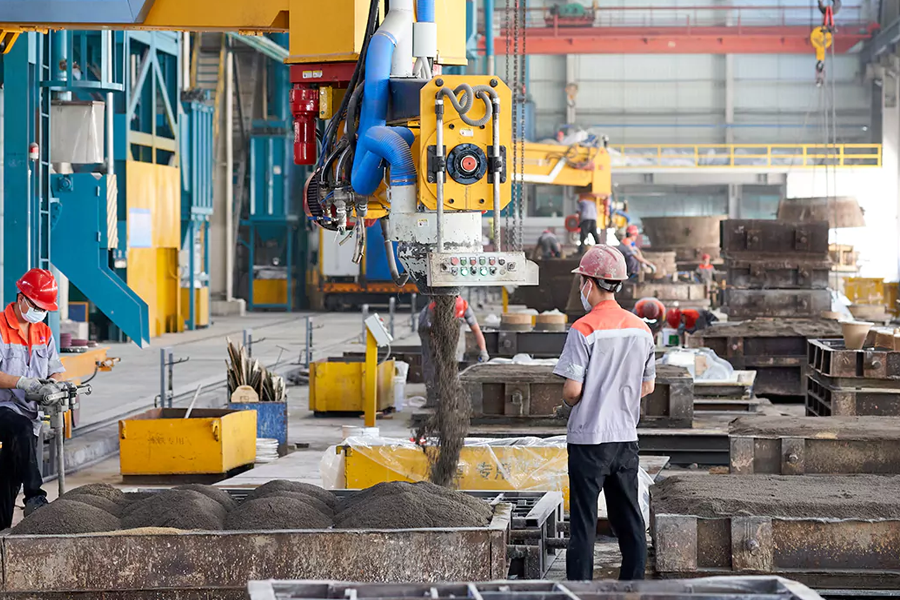
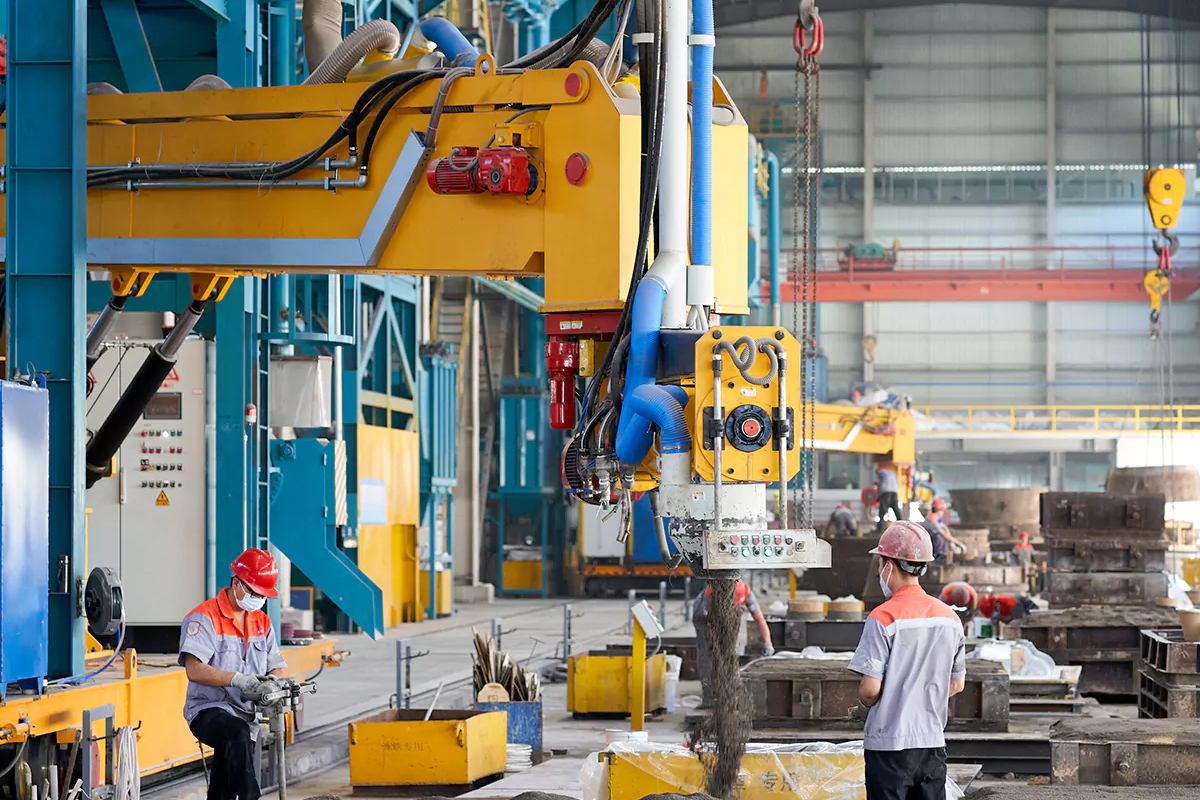
Large cast crawler track shoes require strict process control throughout production.
The casting process generally includes:
pattern making,
molding,
core assembly,
molten steel melting,
pouring,
heat treatment,
cleaning,
machining,
and final inspection.
For heavy castings, controlling pouring temperature is extremely important.
If the pouring temperature is too low:
misruns,
cold shuts,
and incomplete filling may occur.
If the pouring temperature is too high:
grain coarsening,
shrinkage defects,
and internal quality problems may appear.
In high manganese steel casting production, pouring temperatures are commonly controlled within a suitable range according to casting structure and wall thickness.
Proper riser and gating system design is also critical.
Large track shoe castings require stable feeding during solidification to minimize:
shrinkage cavities,
porosity,
and internal stress concentration.
At Polarislink, our engineering team carefully optimizes casting structures and process parameters according to product size and working conditions.
Heat Treatment for High Manganese Steel Castings
Heat treatment is one of the most important stages in manufacturing Mn13 wear-resistant castings.
Improper heat treatment may significantly reduce impact toughness and wear resistance.
High manganese steel typically requires solution heat treatment.
During this process:
the casting is heated to high temperature,
carbides are dissolved into austenite,
and then rapidly water quenched.
Correct heat treatment helps achieve:
uniform austenitic structure,
good toughness,
stable mechanical properties,
and excellent work-hardening ability.
For oversized castings such as bucket arms and heavy crawler components, controlling heating uniformity and cooling speed becomes even more important.
Uneven cooling may lead to:
internal stress,
distortion,
or cracking.
Therefore, large mining castings require professional heat treatment equipment and experienced technical control.
Bucket Arms for High-Impact Mining Operations
Bucket arms are key load-bearing components in large mining buckets.
During excavation operations, the bucket arm area continuously absorbs:
digging force,
impact force,
torsional stress,
and vibration loading.
This requires the casting material to maintain both:
high impact toughness,
and structural strength.
Large bucket arm castings usually feature:
complex geometry,
thick wall sections,
and high structural requirements.
The manufacturing process must carefully control:
solidification sequence,
feeding efficiency,
and residual stress management.
Precision machining after casting is also extremely important to ensure proper assembly and operational reliability.
Wear Resistance of Bucket Bottom Plates
Bucket bottom plates directly contact ore, rock, gravel, and abrasive materials during loading operations.
This area experiences severe sliding abrasion and repeated impact.
For mining customers, bucket bottom plate service life directly affects:
maintenance frequency,
equipment downtime,
and operating costs.
High manganese steel bottom plates provide:
excellent impact resistance,
good toughness,
and long-term wear performance.
Depending on application conditions, the thickness and structural reinforcement of bottom plates can be customized.
For extremely abrasive environments, customers may also choose alloy-enhanced manganese steel materials.
Machining Requirements for Large Mining Castings
After heat treatment, heavy wear-resistant castings require precision machining.
Large mining castings often demand:
strict dimensional tolerances,
flatness control,
hole position accuracy,
and stable assembly dimensions.
Polarislink is equipped with heavy-duty machining equipment capable of processing oversized mining wear components.
Our machining capabilities include:
CNC machining,
boring,
milling,
drilling,
surface machining,
and assembly surface processing.
Proper machining quality helps reduce installation problems and improves field operating stability.
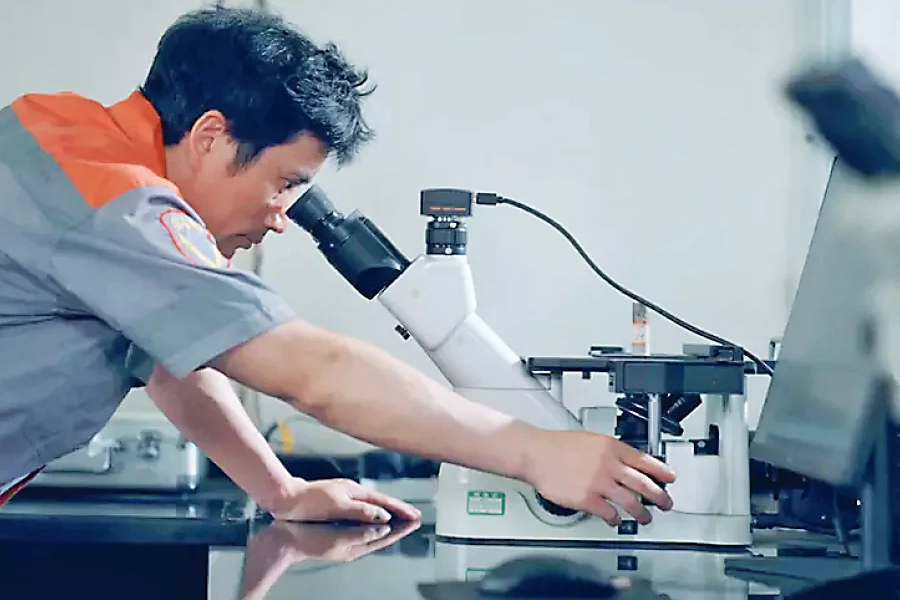
Quality Inspection for Heavy Wear Castings
Stable quality control is critical for mining wear parts.