In the scrap metal recycling industry, customers are not only concerned
about hammer wear life. What they care about more is why shredder hammers
wear too fast, why hammer handles wear severely, and why some hammers crack
or break before the working surface is fully worn out.
Scrap shredders work under extremely harsh conditions. Unlike mining
crushers that mainly process stone, scrap shredders deal with scrap cars,
steel plates, steel bars, engine blocks, compressed scrap bales, and mixed
heavy scrap metal.
These materials create extremely high impact loads and unstable working
conditions. As a result, shredder hammers suffer abrasive wear, impact wear,
cutting wear, fatigue wear, and extrusion wear at the same time.
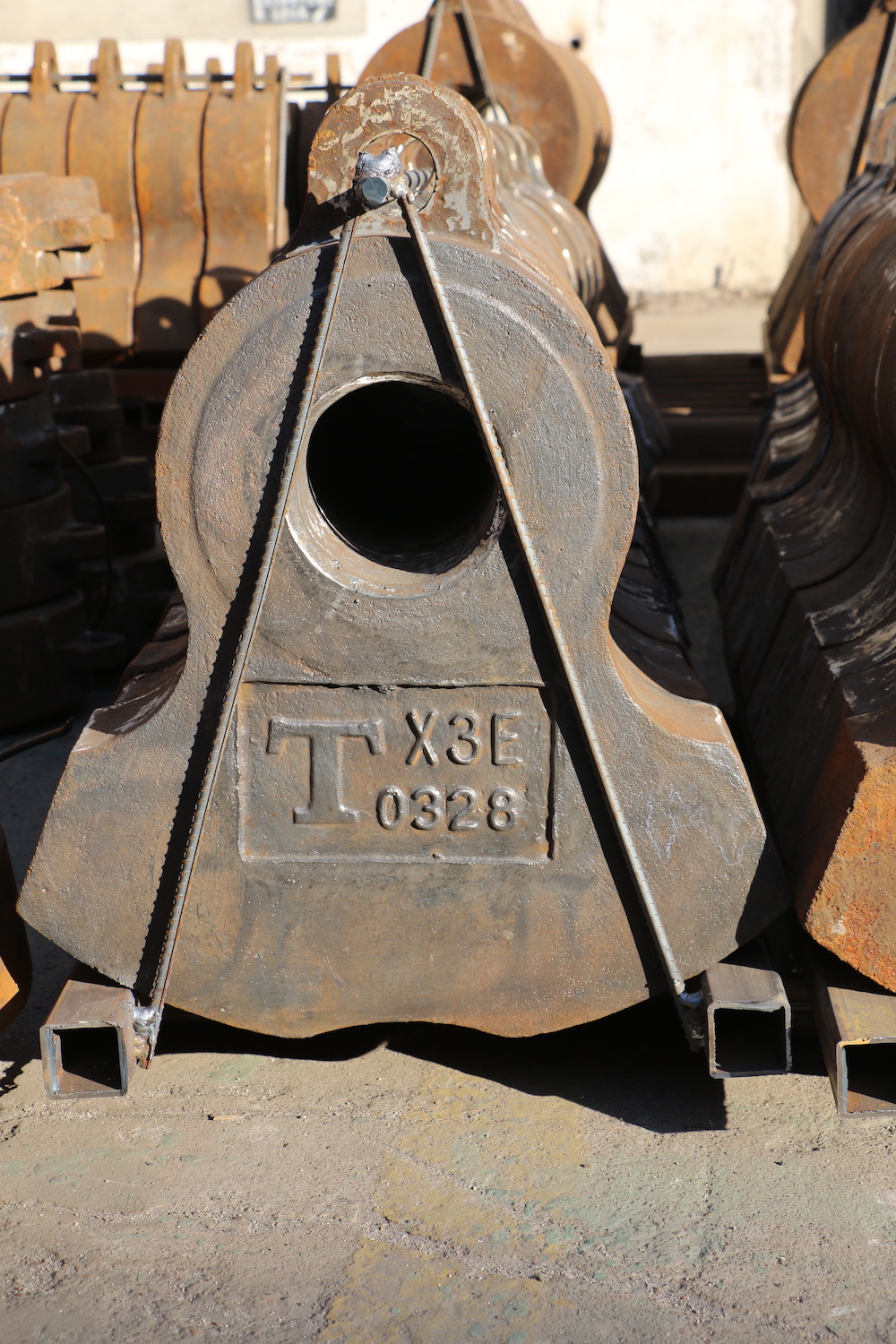
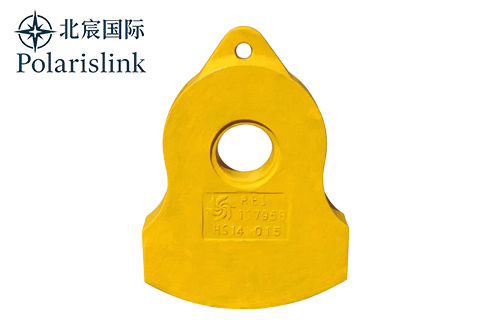
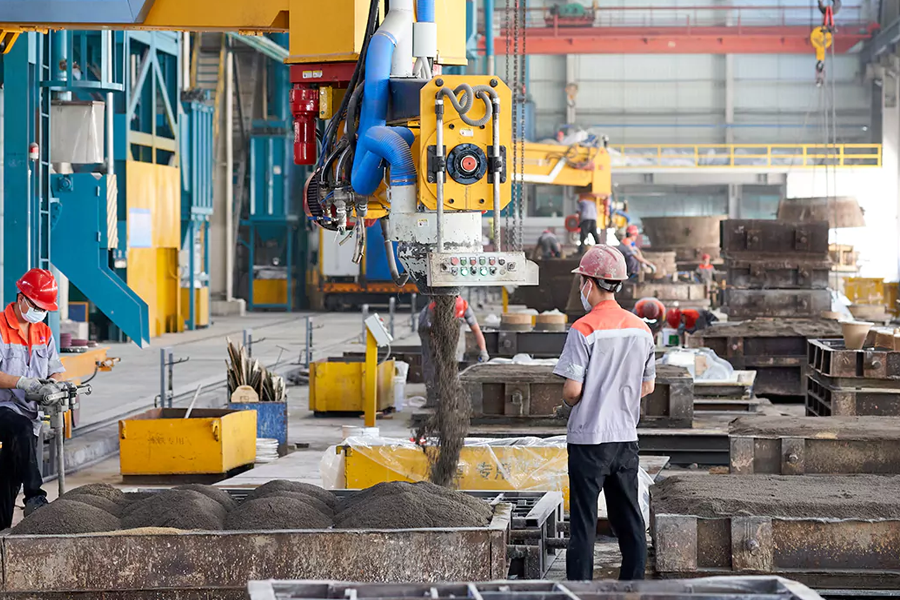
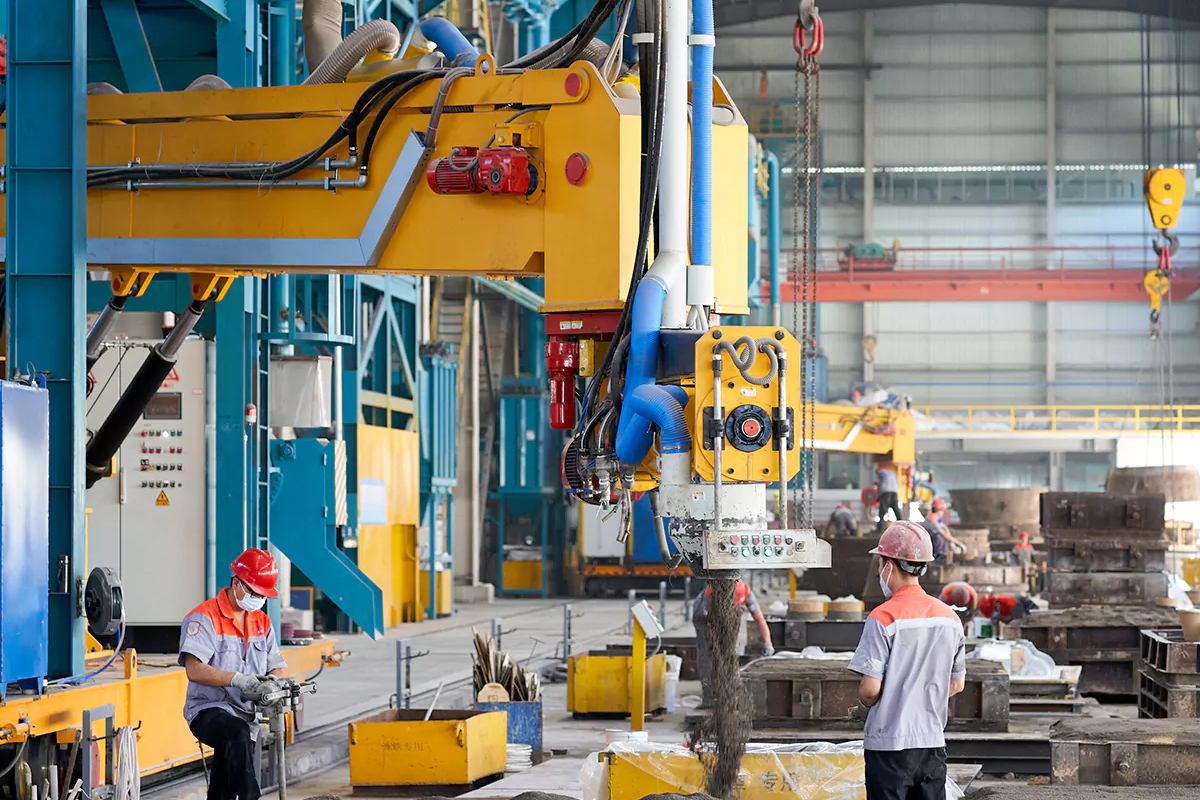
TangShan Polarislink Advanced Materials Technology Co.,Ltd. has focused on
high manganese steel wear parts manufacturing for 29 years. We have complete
production drawings and manufacturing experience for Lidi, Huahong, Luoyou,
Taiwan Zhengxin, and Newell scrap shredder hammers.
We do not simply manufacture hammers according to dimensions. We analyze
impact zones, hammer center of gravity, rotor speed, stress concentration
around hammer handles and pin holes, as well as fatigue risks caused by
high-speed rotation.
In scrap shredding operations, the most dangerous problem is often not wear,
but hammer breakage. Once a hammer breaks during high-speed operation, broken
hammer pieces can seriously damage the rotor, liners, grates, pin shafts,
and even the entire shredder body.
For many recycling plants, the biggest loss is not the hammer itself, but
unplanned shutdowns, maintenance costs, and production downtime.
Rotor speed is one of the key factors affecting hammer life. If the rotor
speed is too high, the hammer tip speed increases significantly. This
improves crushing force, but also dramatically increases impact stress when
processing heavy scrap such as steel plates, engine blocks, rails, and thick
structural steel.
If hammer toughness is insufficient, or if the internal metallographic
structure is unstable, the hammer may develop edge cracking, surface
spalling, deep impact pits, or even complete fracture.
However, low rotor speed can also create problems. When rotor speed is too
low, scrap material cannot be broken efficiently. Materials repeatedly roll
and rub inside the crushing chamber, causing continuous abrasive wear on the
hammer surface.
Feed size instability is another major cause of hammer and hammer handle
wear. In real recycling plants, feed material constantly changes between
light scrap, compressed bales, and heavy scrap steel.
When feed size changes dramatically, hammer loading becomes uneven. Light
scrap mainly causes high-speed abrasive wear, while large heavy scrap
creates concentrated impact stress.
These concentrated forces usually appear around hammer corners, working
surfaces, hammer handle transition areas, and pin hole regions. Over time,
repeated impact loading can cause fatigue cracking around the hammer handle.
Feed rate also directly affects hammer life. If feeding is too fast, scrap
accumulates inside the shredder chamber. Hammers cannot strike material at
the proper angle, and scrap becomes trapped between hammers, liners, and
grates.
Under these conditions, hammers experience not only impact, but also severe
extrusion and friction wear. At the same time, hammer handles may suffer
abnormal side loading and additional stress.
Many customers also ask why hammer handles wear faster in some shredders.
In many cases, the real reason is not only the hammer material itself, but
also rotor balance, hammer weight deviation, installation precision, and
feeding conditions.
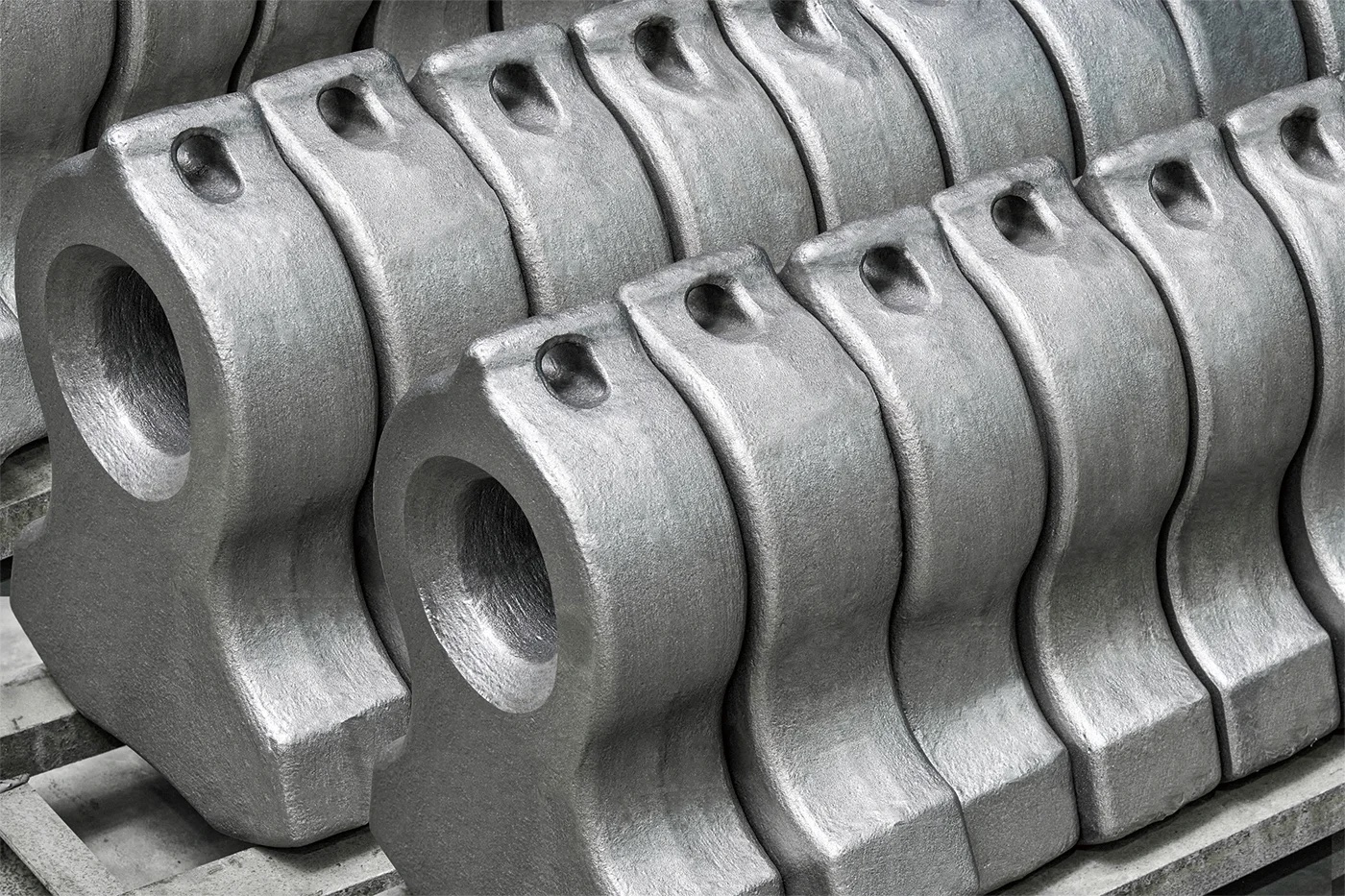
If hammer weight differences are too large, the rotor may operate under
dynamic imbalance during high-speed rotation. This creates additional side
loading and abnormal vibration on hammer handles and pin holes.
Over time, repeated stress concentration can lead to hammer handle fatigue
cracking or abnormal wear.
Improper installation can also accelerate hammer handle damage. If hammer
clearance is incorrect or pin shaft matching is unstable, the hammer may not
swing properly during operation.
This causes additional impact force around the hammer handle transition area
and pin hole region.
Heat treatment stability is another critical factor for shredder hammer
life.
Many low-quality hammers appear hard on the surface, but their internal
microstructure is unstable. Under repeated high-speed impact, local brittle
zones may form inside the hammer.
This eventually causes cracking, edge breakage, or sudden fracture during
operation.
Our commonly used materials include Mn13Cr2, Mn18Cr2, and Mn22Cr2. We also
provide titanium carbide reinforced shredder hammers for customers requiring
improved local wear resistance.
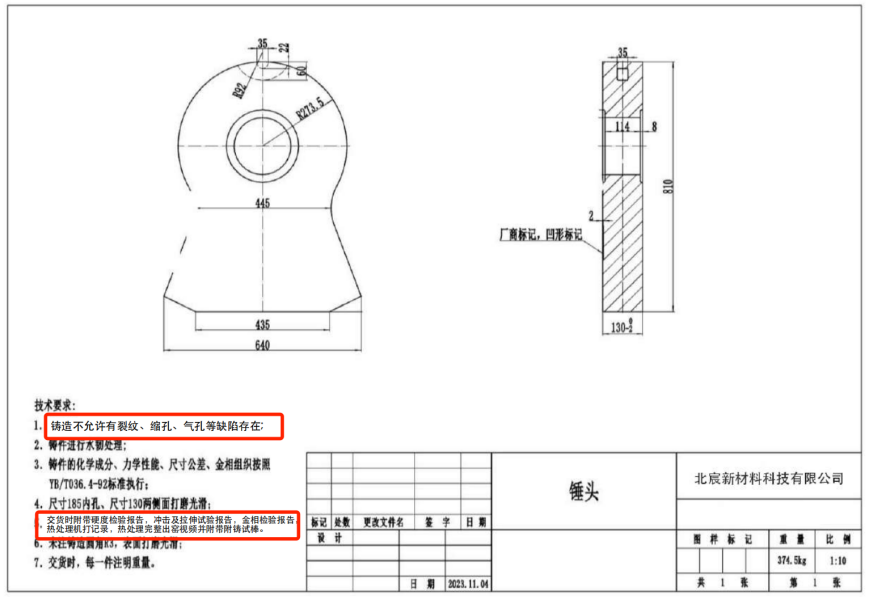
Different recycling conditions require different material solutions. Higher
hardness alone does not guarantee better performance.
For 29 years, Polarislink has focused on stable high manganese steel
shredder hammer manufacturing with strict chemical composition control,
spectrometer inspection, metallographic analysis, hardness testing, weight
balance control, and stable heat treatment processes.
Because in the scrap recycling industry, the most expensive cost is never
the hammer itself.
It is downtime.