Tips for Selecting Tooth Profiles of Jaw Crusher Plates
Understanding the Importance of Tooth Profiles in Jaw Crushers
Jaw crushers are essential equipment in the mining and construction industries, primarily used for crushing large rocks into smaller sizes. The tooth profile of the jaw plates plays a critical role in determining the efficiency and effectiveness of the crushing process. Different tooth profiles are designed to handle various types of materials and achieve specific crushing objectives. Therefore, selecting the right tooth profile is crucial for optimizing performance, reducing wear, and extending the service life of the jaw plates.
Factors Influencing Tooth Profile Selection
Material Characteristics
The nature of the material being crushed is a primary factor in determining the appropriate tooth profile. Hardness, abrasiveness, and particle size distribution of the material all influence the choice of tooth shape. For instance, harder materials require tooth profiles that can withstand high impact forces without excessive wear. Abrasive materials, on the other hand, demand tooth profiles that minimize surface contact and reduce the risk of scratching and gouging.
- Hard Materials: When dealing with hard materials like granite or basalt, tooth profiles with steep angles and sharp edges are often preferred. These profiles can effectively penetrate the material and initiate fractures, facilitating the crushing process.
- Abrasive Materials: For abrasive materials such as silica sand or quartzite, tooth profiles with rounded edges and a more gradual slope are recommended. These profiles reduce the surface area in contact with the material, thereby minimizing abrasive wear.
Crushing Objective
The desired outcome of the crushing process also influences tooth profile selection. Whether the goal is to achieve a specific particle size distribution, maximize throughput, or minimize fines generation, different tooth profiles can help achieve these objectives.
- Coarse Crushing: For coarse crushing applications where large particles are the target, tooth profiles with wide spacing and deep teeth are suitable. These profiles allow larger chunks of material to pass through without excessive crushing, preserving energy and reducing wear.
- Fine Crushing: In fine crushing scenarios where smaller particles are desired, tooth profiles with closer spacing and shallower teeth are more effective. These profiles ensure that the material is subjected to multiple crushing events, resulting in a finer product size.
Common Tooth Profile Types and Their Applications
Triangular Tooth Profiles
Triangular tooth profiles are characterized by their sharp, pointed edges and steep angles. These profiles are well-suited for crushing hard and brittle materials, as they can easily penetrate the material and initiate fractures. The steep angles also help in preventing material from getting stuck between the teeth, reducing the risk of blockages and improving overall efficiency.
- Applications: Triangular tooth profiles are commonly used in primary crushing stages where large rocks need to be broken down into manageable sizes. They are also effective in crushing hard ores like iron ore and copper ore.
Trapezoidal Tooth Profiles
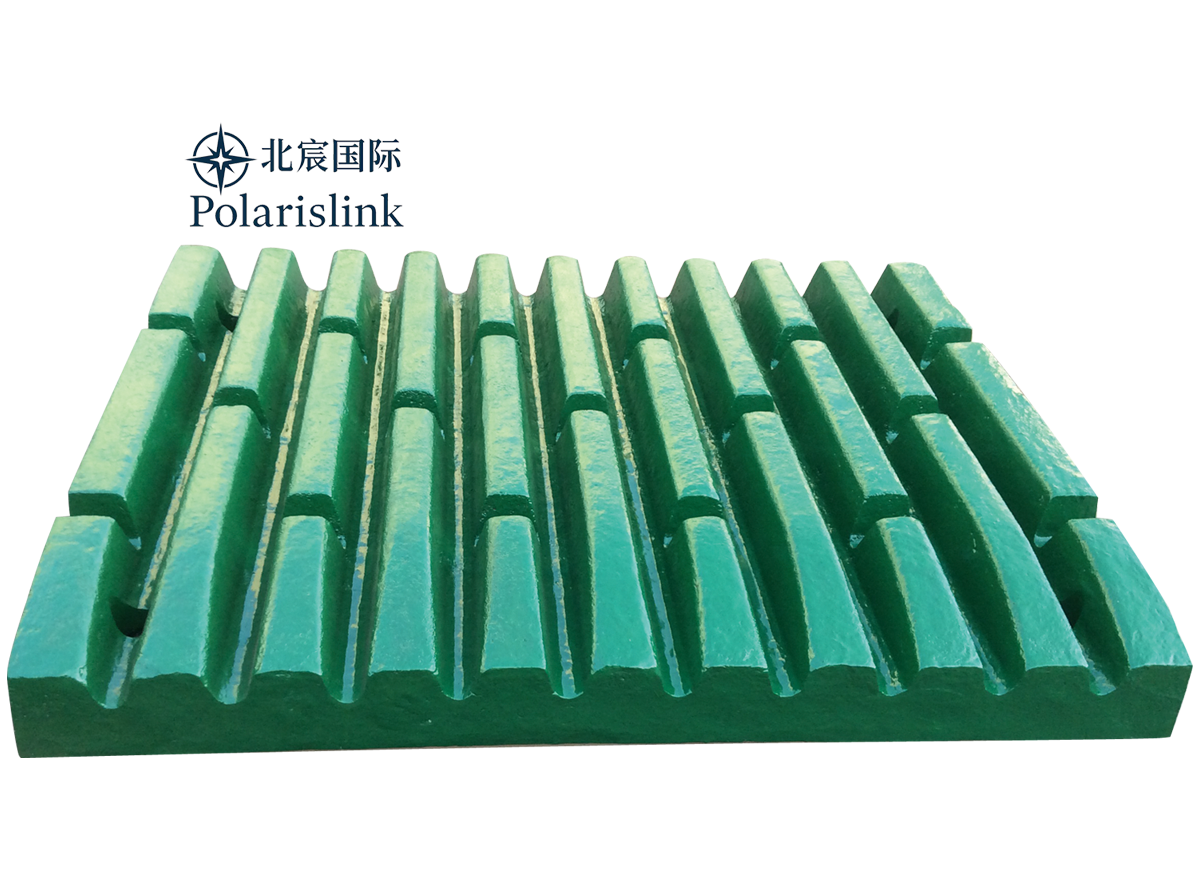
Trapezoidal tooth profiles feature a combination of steep and gradual slopes, providing a balance between penetration and surface contact. These profiles are versatile and can handle a wide range of materials, from moderately hard to abrasive. The gradual slope helps in reducing abrasive wear, while the steep section ensures effective penetration and crushing.
- Applications: Trapezoidal tooth profiles are suitable for secondary and tertiary crushing stages where a finer product size is desired. They are also used in crushing abrasive materials like limestone and dolomite, where minimizing wear is crucial.
Curved Tooth Profiles
Curved tooth profiles have a smooth, continuous curve that reduces surface contact with the material. These profiles are ideal for crushing abrasive materials, as they minimize the risk of scratching and gouging. The curved shape also helps in distributing the impact forces more evenly across the tooth surface, reducing the likelihood of localized wear and fracture.
- Applications: Curved tooth profiles are commonly used in crushing silica-rich materials like sandstone and quartzite. They are also effective in crushing soft to moderately hard materials where a fine product size is required without excessive wear.
Optimizing Tooth Profile Performance
Proper Alignment and Spacing
Ensuring proper alignment and spacing of the teeth is crucial for optimizing performance. Misaligned teeth can lead to uneven wear, reduced crushing efficiency, and increased risk of blockages. Similarly, incorrect tooth spacing can result in either excessive crushing (leading to fines generation) or insufficient crushing (resulting in large, uncrushed particles).
- Alignment: Regularly inspect the jaw plates for proper alignment and make adjustments as needed. Use alignment tools or templates to ensure that the teeth are evenly spaced and aligned with each other.
- Spacing: Adjust the tooth spacing based on the material characteristics and crushing objectives. For coarse crushing, wider spacing is preferred, while finer spacing is suitable for fine crushing applications.
Regular Maintenance and Inspection
Regular maintenance and inspection are essential for extending the service life of the jaw plates and ensuring optimal performance. This includes checking for signs of wear, damage, or misalignment, and taking corrective action as needed.
- Wear Inspection: Periodically inspect the tooth profiles for signs of wear, such as rounded edges or flattened surfaces. Replace worn-out jaw plates promptly to prevent further damage to the crusher.
- Damage Assessment: Look for cracks, chips, or other forms of damage on the tooth profiles. Address any issues immediately to prevent them from worsening and causing more extensive damage to the crusher.