Selecting Impact-Resistant Materials for Crusher Wear Parts
When selecting materials for crusher wear parts that need to withstand high impact, it's crucial to consider factors such as material hardness, toughness, and adaptability to specific working conditions. The right choice can significantly enhance the durability and performance of crushing equipment, reducing downtime and maintenance costs.
High-Manganese Steel for Severe Impact Conditions
Superior Toughness and Work-Hardening Ability
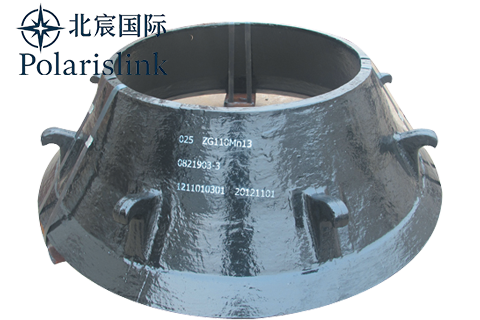
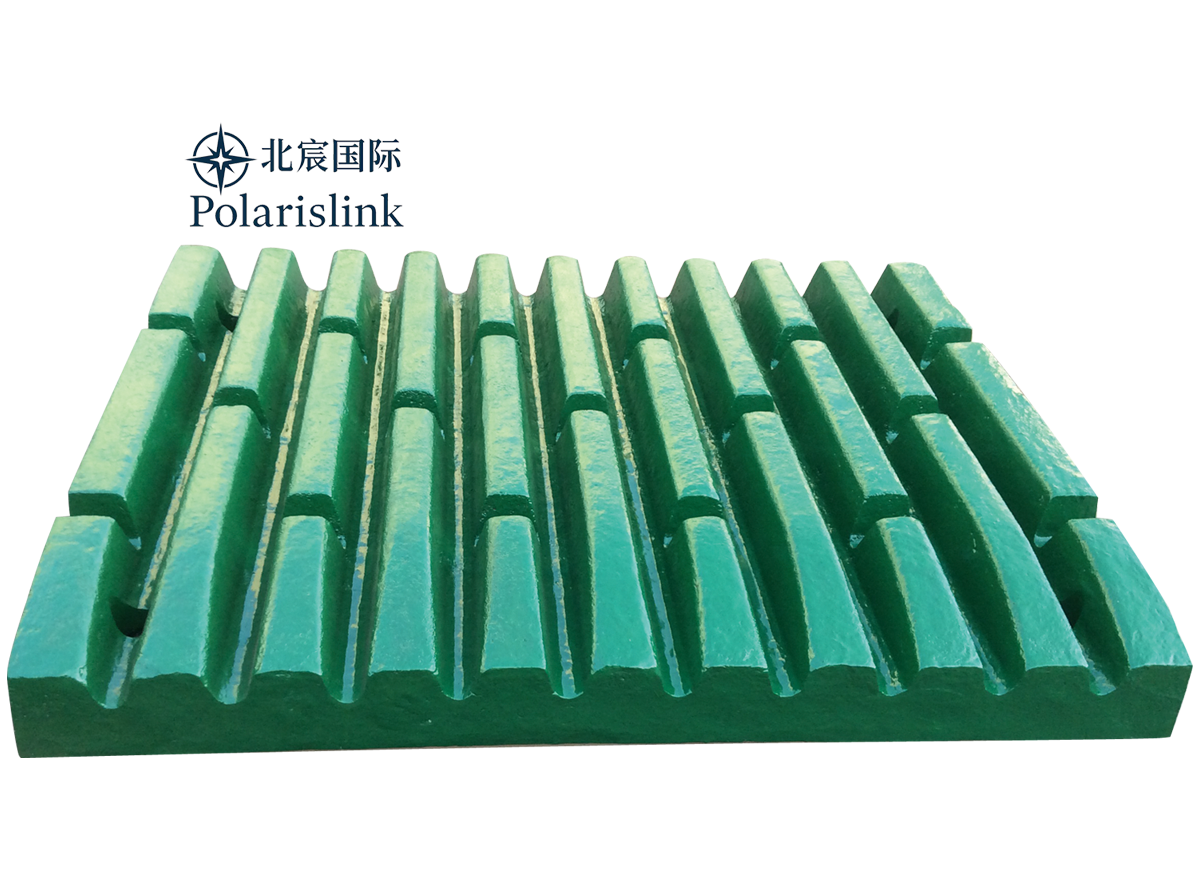
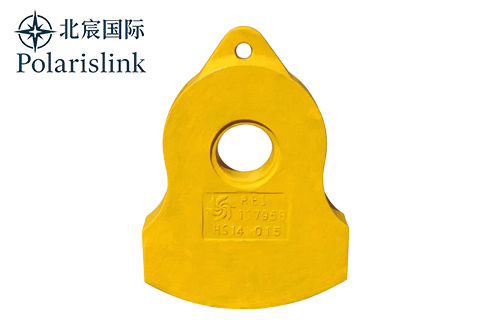
High-manganese steel is a traditional and widely used material for crusher wear parts subjected to severe impact. Its outstanding toughness allows it to absorb large amounts of impact energy without cracking or breaking. During operation, the surface of high-manganese steel undergoes work-hardening under impact, forming a hardened layer that significantly improves its wear resistance. This makes it ideal for applications like jaw crusher jaws and impact crusher hammers, where the parts are constantly subjected to high-energy impacts from large and hard materials.
Adaptability to Different Impact Levels
The performance of high-manganese steel can be adjusted by varying its chemical composition. For example, adding alloying elements such as chromium and molybdenum can enhance its strength and toughness, making it more suitable for different impact levels. In applications with extremely high impact forces, standard high-manganese steel can provide excellent performance, while in situations with slightly lower impact, alloyed high-manganese steel can offer better wear resistance and longer service life.
High-Chromium Cast Iron for High-Wear, Low-Impact Scenarios
Exceptional Hardness and Wear Resistance
High-chromium cast iron is renowned for its extremely high hardness, typically ranging from HRC 58 to 65. This high hardness is attributed to the presence of a large amount of hard carbide phases in the microstructure, which provide excellent resistance to abrasive wear. Although it has relatively lower toughness compared to high-manganese steel, in applications where the impact forces are not extremely high but the wear is severe, such as in the lining plates of ball mills and the hammers of fine crushers, high-chromium cast iron can significantly extend the service life of the wear parts.
Precise Control of Microstructure
The performance of high-chromium cast iron can be precisely controlled through heat treatment processes. By adjusting the quenching and tempering parameters, the size, shape, and distribution of the carbide phases can be optimized, thereby improving the overall wear resistance and toughness of the material. This allows for the production of high-chromium cast iron wear parts with consistent quality and reliable performance.
Bimetal Composite Materials for Complex Working Conditions
Combination of Hardness and Toughness
Bimetal composite materials combine the advantages of two different materials, typically a hard and wear-resistant material on the working surface and a tough and ductile material as the base. For example, a composite material with a high-chromium cast iron layer on the surface and a high-manganese steel base can provide both excellent wear resistance and high impact toughness. The hard surface layer resists abrasive wear, while the tough base absorbs impact energy, preventing the part from cracking or breaking under high-stress conditions.
Customizable Design for Specific Applications
Bimetal composite materials offer great flexibility in design. The thickness and composition of each layer can be adjusted according to the specific requirements of the application. For instance, in a crusher hammer, the working end that comes into direct contact with the material can be made of a thicker high-chromium cast iron layer for better wear resistance, while the mounting end can be made of a thinner high-manganese steel layer for good toughness and ease of installation. This customizable design makes bimetal composite materials suitable for a wide range of crushing applications with different impact and wear characteristics.
In conclusion, selecting the right impact-resistant material for crusher wear parts requires a comprehensive consideration of the working conditions, including the level of impact, the type of material being crushed, and the required service life. High-manganese steel, high-chromium cast iron, and bimetal composite materials each have their own unique advantages and are suitable for different scenarios. By understanding the properties and characteristics of these materials, industries can make informed decisions and choose the most appropriate material for their crusher wear parts, ensuring optimal performance and cost-effectiveness.